Pinot Noir Perfection: Exploring Oregon’s Wine Country
Oregon’s Willamette Valley delivers Pinot Noir perfection through cool climates, diverse soils, and passionate winemakers. This region creates elegant, expressive wines that balance bright fruit with earthy depth. Whether you are a beginner or a seasoned enthusiast, exploring Oregon’s wine country reveals why its Pinot Noir rivals the best in the world.
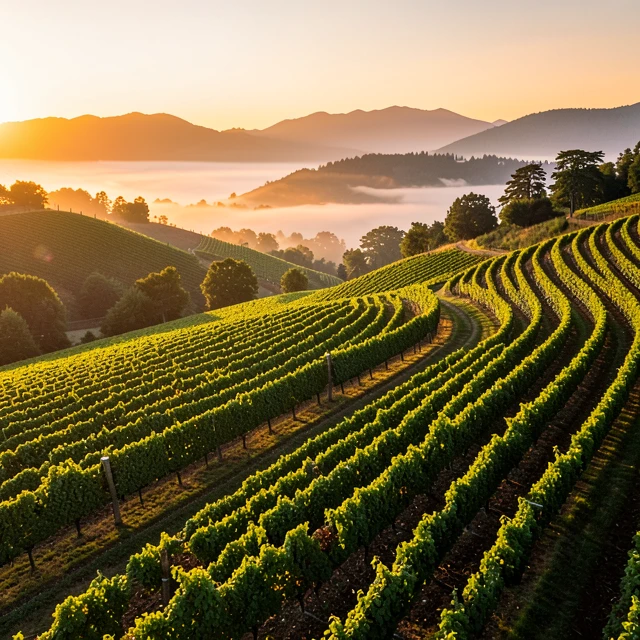
I still remember my first sip of Oregon Pinot Noir. The wine danced with notes of cherry, raspberry, and a hint of forest floor. It felt alive and fresh, not heavy or overpowering. That moment sparked my love for this region. Pinot Noir Perfection: Exploring Oregon’s Wine Country means more than just tasting great wine — it is about understanding the land, the people, and the care behind every bottle.
The Willamette Valley stretches from Portland south to Eugene. It serves as Oregon’s heart for wine production. Cool marine air flows in from the Pacific, moderated by the Coast Range to the west and the Cascades to the east. This setup creates ideal conditions for Pinot Noir, a grape that loves gentle ripening and bright acidity.
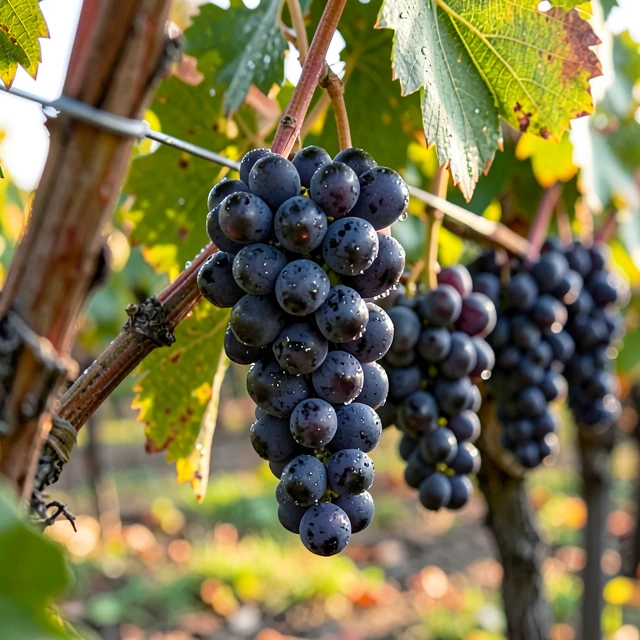
Understanding The Unique Terroir of Willamette Valley forms the foundation of its success. Terroir combines soil, climate, and topography. Here, ancient volcanic activity left behind Jory soil — a red, iron-rich clay loam that drains well and adds mineral character. Marine sedimentary soils and wind-blown loess also appear across different sites, each influencing the final wine in subtle ways.
According to research from Portland State University, Willamette Valley vineyards grow on three main soil parent materials: volcanic, marine sediments, and loess/volcanic mixes. These soils are often over 50,000 years old, with good drainage and moderate fertility that stress the vines just enough to concentrate flavors. Learn more about the terroir of Pinot Noir in the Willamette Valley from this Portland State University study.
The climate adds another layer. Long, mild growing seasons with cool nights preserve acidity while warm days build fruit ripeness. Rainfall concentrates in winter, leaving dry summers that reduce disease pressure. These factors help Pinot Noir develop complex aromas of red fruit, spice, and earth without excessive alcohol.
Sub-regions bring even more variety: - Dundee Hills: Often bright cherry and red fruit notes. - Yamhill-Carlton: Darker fruit with earthy spice. - Eola-Amity Hills: Savory depth and mineral tones.
Each area tells its own story through the glass.
Jackson Family Wines has made a significant mark in Oregon. This respected producer owns several estates that highlight the best of the Willamette Valley. Their commitment to great vineyards shines through in every bottle.
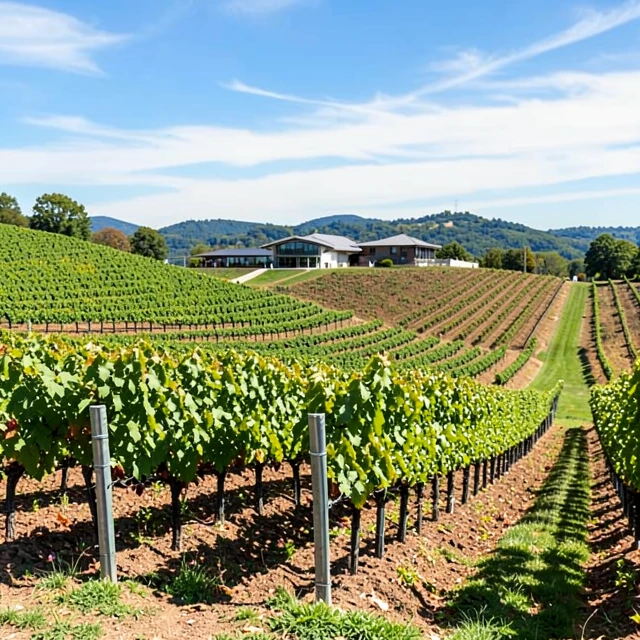
Key Jackson Family Wines vineyards locations include: - Gran Moraine in the Yamhill-Carlton AVA with its 190-acre estate focused on Pinot Noir and Chardonnay. - Zena Crown Vineyard in the Eola-Amity Hills, featuring 115 acres divided into many small blocks for precise expression. - WillaKenzie Estate in the heart of the valley, known for clonal diversity and elegant Pinot Noirs. - Penner-Ash Wine Cellars in the northern Willamette Valley, specializing in Pinot Noir with a sense of place.
These sites allow Jackson Family Wines to craft wines that capture site-specific character while maintaining consistency.
Beyond their own estates, Jackson Family Wines supports other wine brands that source from Oregon, including Siduri and La Crema. This broad approach brings Oregon Pinot Noir to more tables while respecting the region’s collaborative spirit.
Visiting Oregon’s wine country feels welcoming. Many wineries offer tastings in beautiful settings with views of the vines. Plan your trip around the main towns like McMinnville or Newberg. Take time to talk with winemakers — they often share stories that deepen your appreciation.
Here are practical tips for your visit: - Taste flights that compare sub-regions side by side. - Pair Pinot Noir with local foods like salmon, mushrooms, or aged cheeses. - Visit in fall during harvest for added energy and fresh grape juice samples. - Book ahead during peak weekends.
Oregon leads in sustainable practices. Over half of the state’s vineyards hold sustainability certifications. This care for the land ensures future generations can enjoy the same Pinot Noir perfection.
What makes these wines special for everyday drinkers? They offer elegance and food-friendliness at prices that often feel fair compared to similar quality from other regions. Look for bottles in the $30–$60 range for excellent everyday options, with premium single-vineyard wines climbing higher.
In my experience, Oregon Pinot Noir improves with a little time in the glass. Swirl gently and notice how the aromas open up — from bright red berries to subtle baking spice and damp earth. The finish usually lingers with lively acidity that makes you reach for another sip.
Pinot Noir Perfection: Exploring Oregon’s Wine Country ultimately celebrates balance. The cool climate prevents overripe flavors. Diverse soils add complexity. Dedicated producers like Jackson Family Wines bring it all together with skill and respect for the land.
The result is wines that feel honest and alive. They reflect their place without trying too hard. That authenticity is what keeps enthusiasts returning year after year.