Exploring the Wines of Bordeaux: A Deep Dive
Overview
Bordeaux, France's legendary wine region, produces some of the world's most celebrated wines. This deep dive explores its diverse regions, classic blends, and timeless appeal, offering insights for beginners and seasoned drinkers alike.
Bordeaux sits in southwest France, shaped by the Atlantic Ocean and major rivers like the Garonne and Dordogne. These waterways divide the region into the Left Bank, Right Bank, and Entre-Deux-Mers, each creating unique conditions for grape growing.
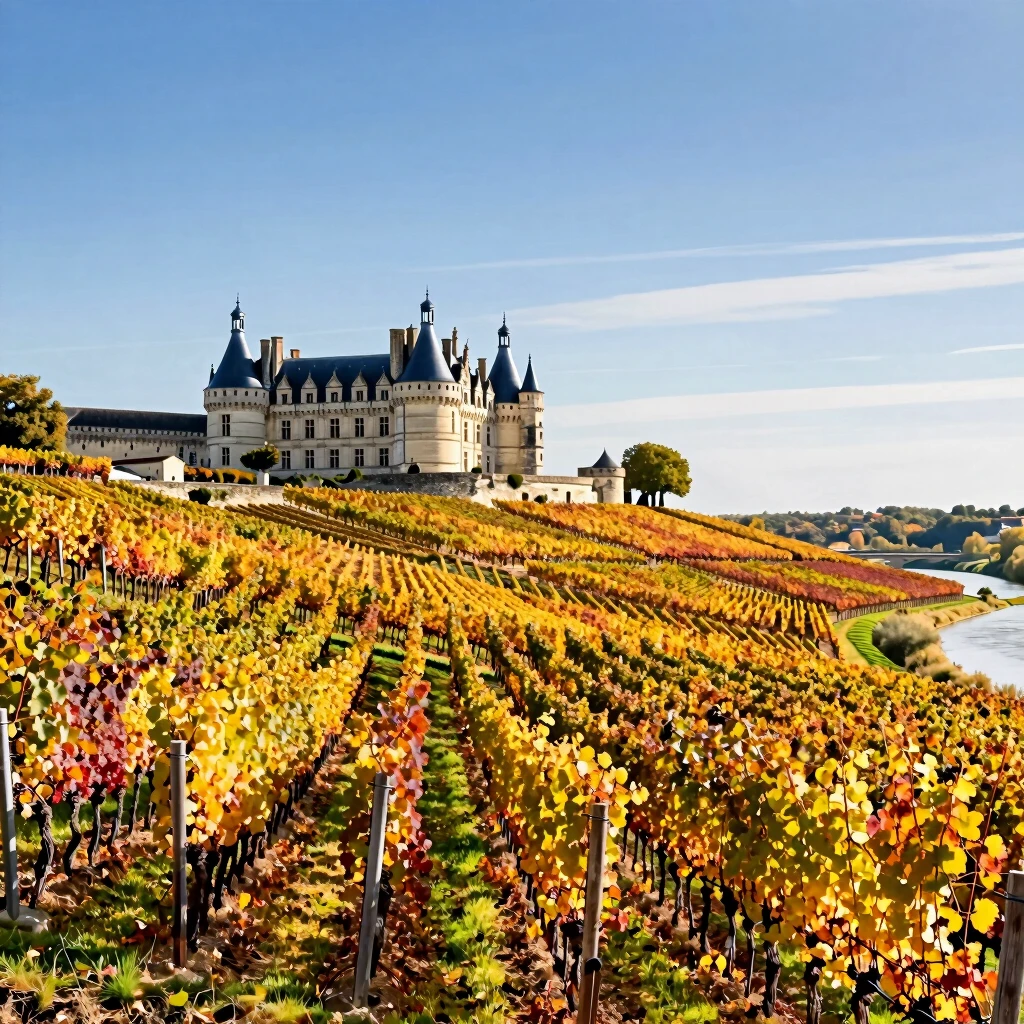
If you're new to wine, Understanding Wine Regions: A Beginner's Guide starts right here in Bordeaux. The Left Bank, including the Médoc and Graves, favors gravel soils perfect for Cabernet Sauvignon. Wines from areas like Pauillac, Margaux, and Saint-Julien are structured and age-worthy, often showing notes of black currant, cedar, and graphite.
Cross to the Right Bank, home to Saint-Émilion and Pomerol. Clay-rich soils suit Merlot and Cabernet Franc, yielding plush, fruit-forward wines with softer tannins. Think plums, cherries, and velvet textures – approachable sooner than their Left Bank counterparts.
Don't overlook the whites and sweets. Dry whites blend Sauvignon Blanc and Sémillon for crisp, citrus-driven refreshment. In Sauternes and Barsac, noble rot transforms grapes into luscious sweet wines, like the legendary Château d'Yquem.
Key Bordeaux Grape Varieties
- Cabernet Sauvignon: Adds structure, tannins, and black fruit flavors (dominant on Left Bank)
- Merlot: Brings softness, plum notes, and early drinkability (stars on Right Bank)
- Cabernet Franc: Contributes herbal aromas and elegance
- Petit Verdot and Malbec: Minor roles for depth and spice
- Sauvignon Blanc and Sémillon: For whites, fresh or rich
Bordeaux wines shine through blending. Winemakers mix varieties to balance each vintage's quirks, creating harmonious bottles that reflect the terroir.
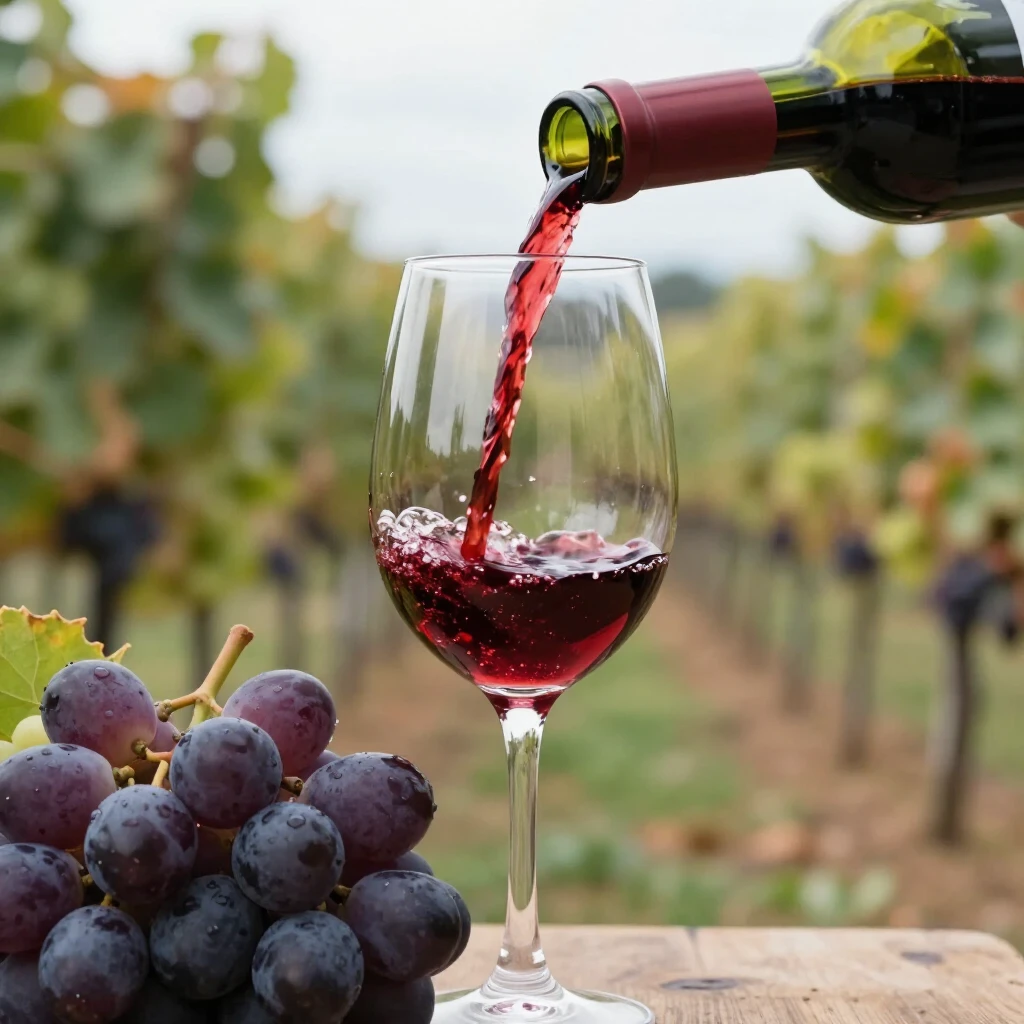
The production process honors tradition while embracing modern care. Grapes are hand or machine harvested, sorted, destemmed, and crushed. Fermentation occurs in stainless steel or concrete vats, extracting color and tannins during maceration.
Blending happens after fermentation, often drawing from different parcels and varieties. This step defines each château's style.
Understanding Different Wine Aging Techniques is key to Bordeaux's magic. Most fine reds age 12-24 months in oak barrels – typically French oak for subtle spice and vanilla notes. New barrels impart more flavor; older ones refine texture.
Many producers use micro-oxygenation for gentle softening. Whites may see barrel fermentation and lees stirring for creaminess. Sweet wines age longer to integrate botrytis intensity.
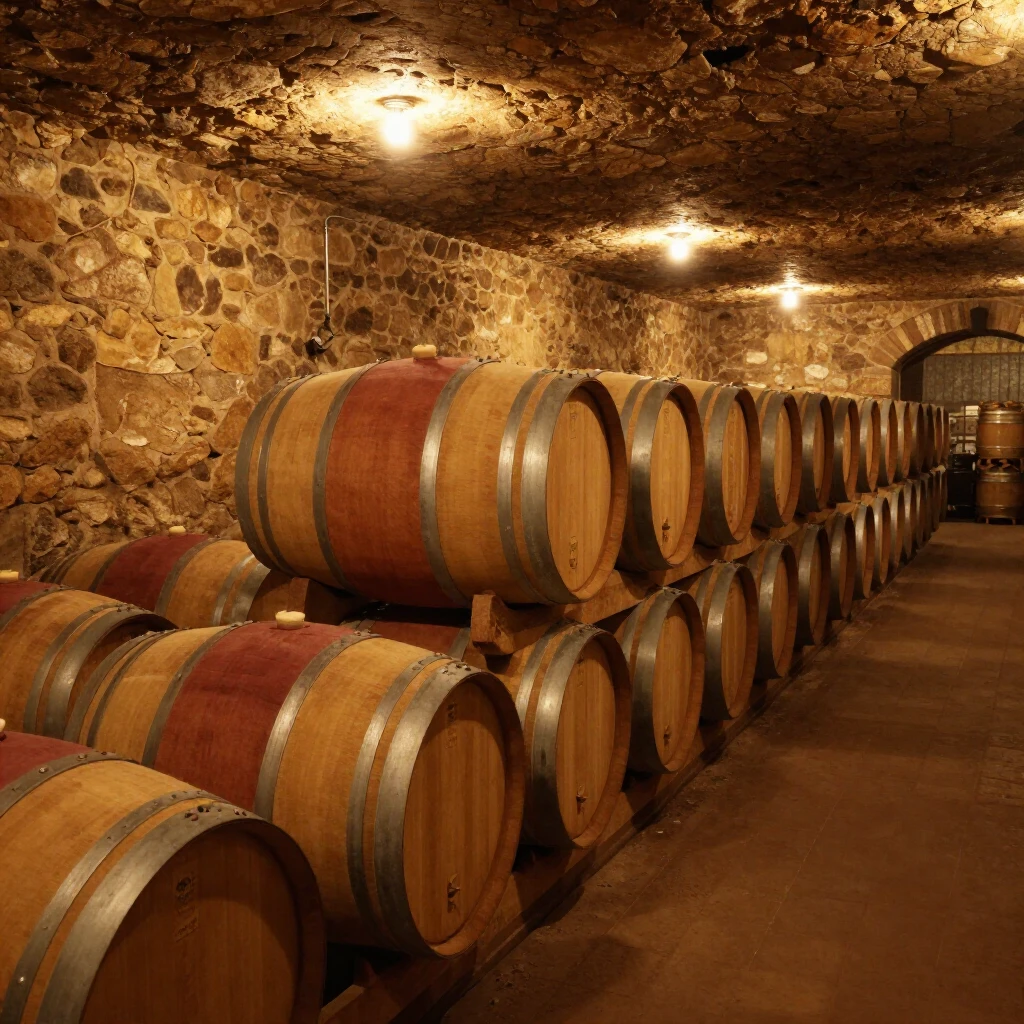
These techniques build complexity. Young Bordeaux can taste firm and tannic, but time reveals layers of leather, tobacco, and truffle. Great vintages improve for decades.
Personal insight: I once opened a 2005 Left Bank blend after 15 years. The tannins had mellowed into silk, releasing waves of cassis and earth – a reminder why patience pays off.
How to Start Your Own Wine Collection with Bordeaux? Begin small and smart. Focus on what you enjoy drinking. Taste widely first – attend tastings or buy single bottles.
Tips for Building a Bordeaux Collection
- Set a budget and mix price points
- Include recent vintages for earlier enjoyment
- Seek good years like 2016, 2019, or 2020
- Store properly: cool, dark, humid conditions
- Buy from reputable sources for authenticity
Start with approachable Right Bank wines or second labels from top châteaux – they offer quality at friendlier prices. Track your bottles and notes to refine your palate.
Bordeaux rewards curiosity. Whether sipping a everyday red or cellaring a classified growth, these wines connect us to centuries of craftsmanship.
In summary, exploring the wines of Bordeaux reveals endless depth – from gravelly Cabernets to velvety Merlots, precise production to patient aging. Start your journey today; your palate will thank you.