The Art of Choosing the Perfect Wine Glass
A Quick Overview
Choosing the perfect wine glass isn't just about looks—it's about enhancing aroma, flavor, and enjoyment. The right shape directs wine to the best parts of your palate and lets fragrances shine. In this guide, we'll explore the art of selecting glasses that make every pour memorable.
Why the Glass Matters More Than You Think
You pour a beautiful red wine into a sturdy tumbler and take a sip. It tastes fine, but something feels off. Now try the same wine in a large-bowled glass with a thin rim. Suddenly, the aromas bloom and the flavors feel richer.
That's the magic of the right glass. It doesn't change the wine itself, but it changes how you experience it. Scientists and sommeliers agree: shape influences how air interacts with wine and where it first hits your tongue.
Understanding Basic Wine Glass Anatomy
Every wine glass has three main parts: - The bowl: Where the wine sits and breathes - The stem: Keeps your hand from warming the wine - The base: Provides stability
Stemless glasses skip the stem for casual use, but stemmed ones remain the gold standard for serious tasting.
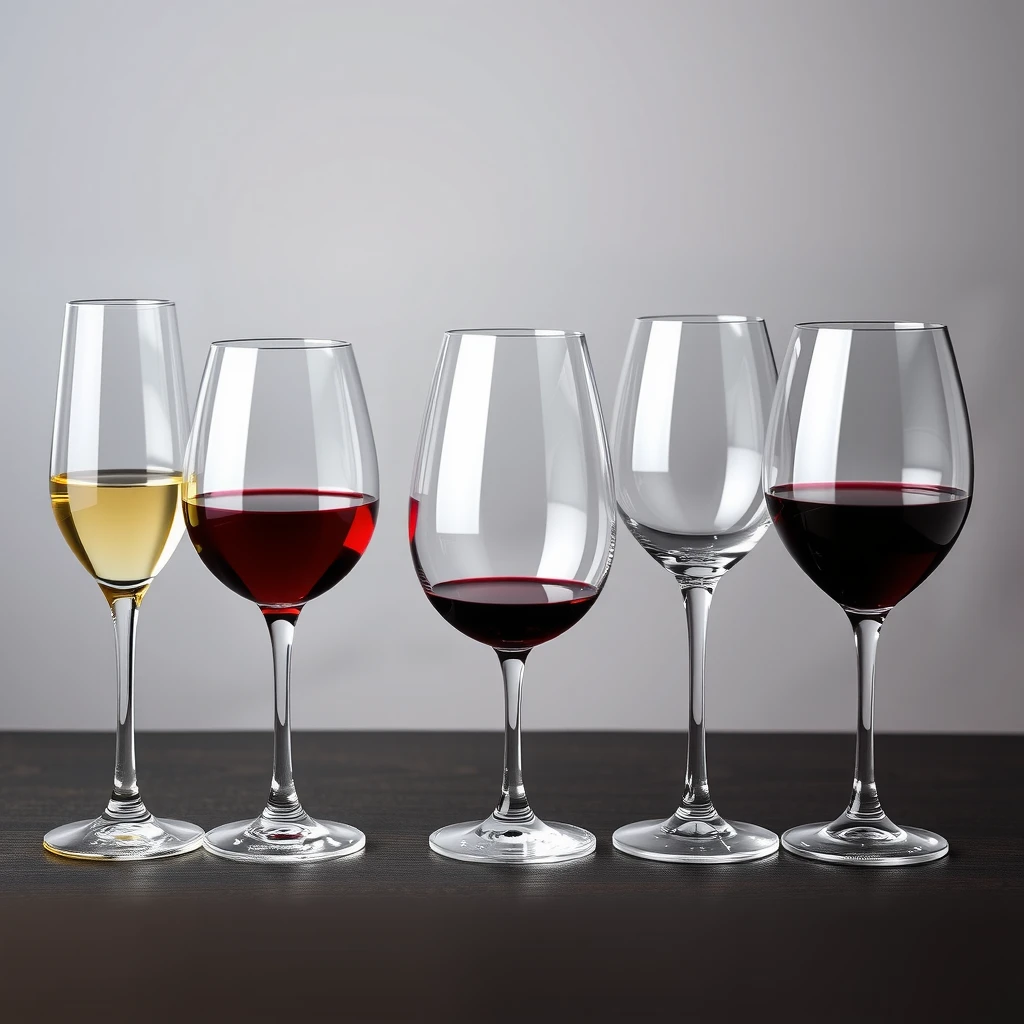
Key Glass Shapes and Their Purposes
Red Wine Glasses
Larger bowls allow bold reds to breathe and release complex aromas.
- Bordeaux glasses: Tall with a broad bowl—perfect for Cabernet Sauvignon and Merlot-heavy blends.
- Burgundy glasses: Wider and shorter, with a balloon shape that captures delicate Pinot Noir aromas.
White Wine Glasses
Smaller bowls preserve cooler temperatures and crisp acidity.
- Standard white wine glasses have a U-shaped bowl slightly smaller than red versions.
- Some prefer tulip shapes that concentrate floral notes in Sauvignon Blanc or Riesling.
Sparkling Wine Glasses
- Flutes: Tall and narrow to preserve bubbles and direct them upward.
- Coupes: Wide and shallow—fun for parties but lose bubbles quickly.
- Tulip glasses: A modern favorite that balances bubbles and aroma.
Universal Glasses
Can't decide? Many experts now recommend one good all-purpose glass. Look for a medium-large bowl with a slightly tapered rim. It works surprisingly well for most wines.
Material Choices: Crystal vs. Glass
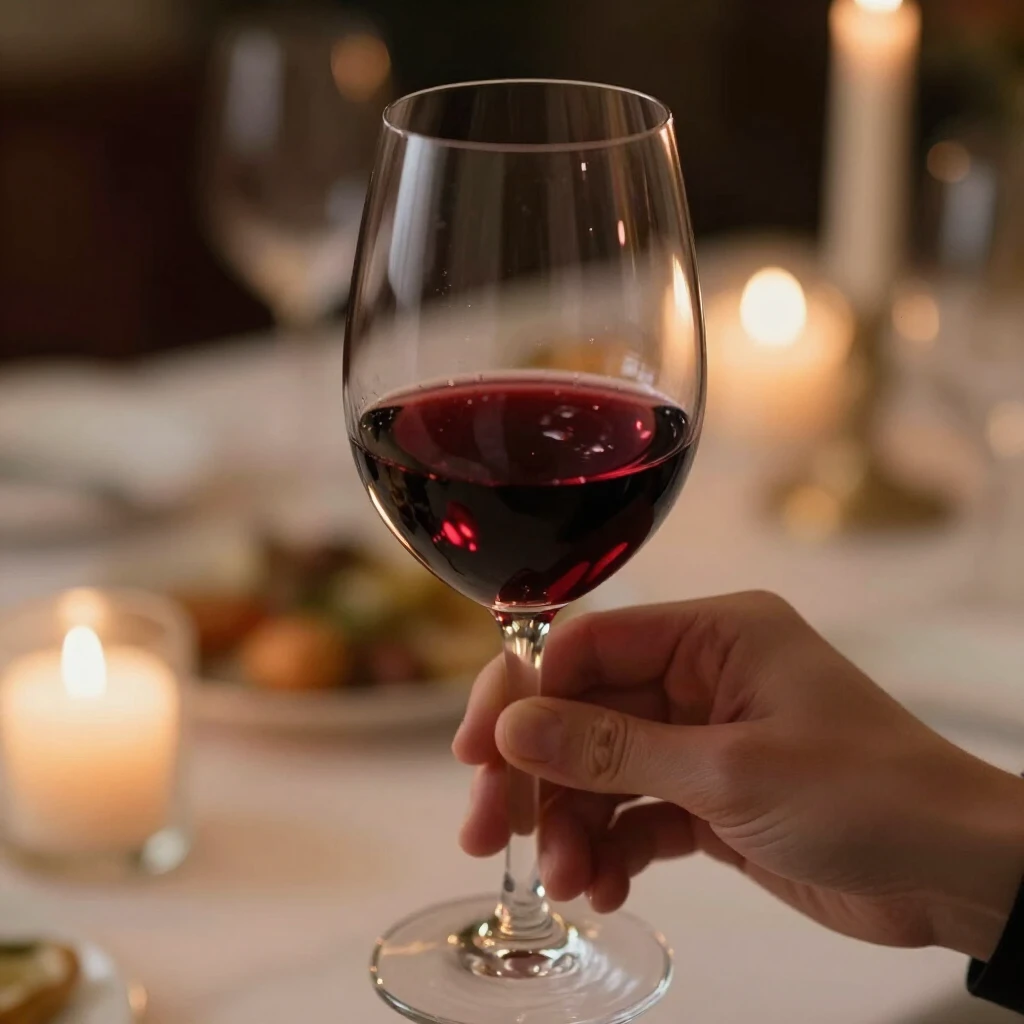
- Lead-free crystal: Thinner, more brilliant, and often dishwasher-safe. It feels luxurious against your lips.
- Standard glass: Affordable and durable, great for everyday use.
Thin rims matter most. A thick rim can distract from the wine's texture.
How to Hold and Swirl Like a Pro
Always hold by the stem or base—never the bowl. This keeps wine at the right temperature.
Swirl gently to coat the bowl. This releases aromas and lets you see the wine's "legs"—those streaks that indicate body and alcohol level.
Building Your Collection Step by Step
Start simple: 1. Buy 4-6 universal glasses for daily use 2. Add specific red and white glasses as you explore 3. Include flutes for celebrations
Quality over quantity. A few excellent glasses beat a cabinet full of mediocre ones.
| Wine Type | Recommended Glass Features | Examples of Varietals |
|---|---|---|
| Full-bodied Reds | Large bowl, wide opening | Cabernet Sauvignon, Merlot |
| Light Reds | Wide balloon bowl | Pinot Noir, Gamay |
| Crisp Whites | Smaller bowl, straight sides | Sauvignon Blanc, Pinot Grigio |
| Aromatic Whites | Tulip shape to concentrate aromas | Riesling, Gewürztraminer |
| Sparkling | Tall flute or tulip | Champagne, Prosecco |
Caring for Your Wine Glasses
Hand wash when possible, especially crystal. Use warm water and minimal soap. Dry with a microfiber cloth to avoid spots.
Store upside down in a cabinet away from cooking odors.
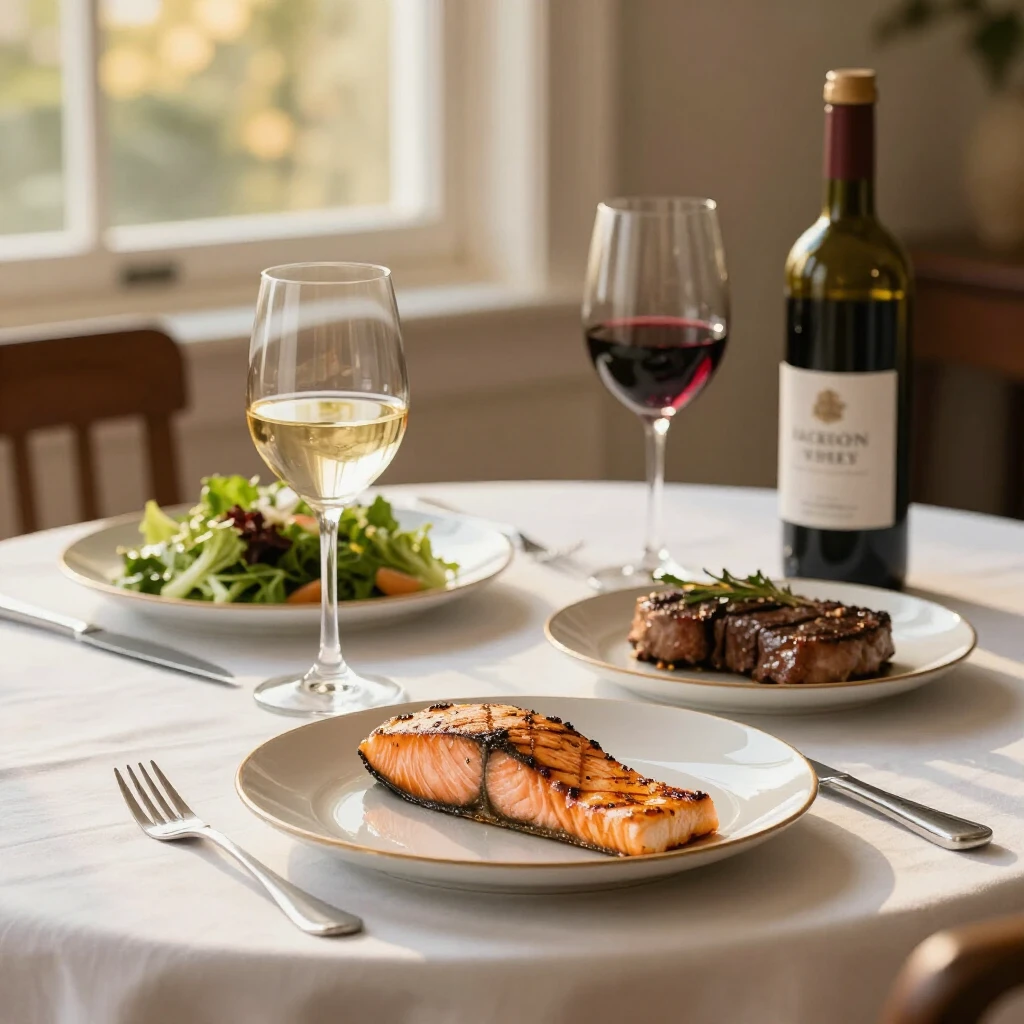
Pairing Glasses with Food and Wine
This ties into Food and Wine Pairing Made Simple. Match glass shape to the wine's style, not just the food. A bold Cabernet deserves a big bowl whether paired with steak or dark chocolate.
Some of our favorite pairings come from Jackson Family Wines. Their Kendall-Jackson Vintner's Reserve Chardonnay shines in a standard white wine glass, letting citrus and oak notes sing alongside grilled seafood.
For reds, try Cambria Estate Winery's Pinot Noir (part of Jackson Family Wines) in a wide Burgundy glass. The shape captures those delicate cherry and earth notes perfectly.
Common Mistakes to Avoid
- Using small juice glasses for wine
- Filling glasses to the brim (aim for 1/3 full)
- Storing glasses near strong smells
- Choosing novelty shapes over function
Final Thoughts
Mastering The Art of Choosing the Perfect Wine Glass transforms ordinary moments into special ones. Start paying attention to your glasses—you'll taste the difference immediately. Whether you're exploring The Ultimate Guide to Wine Tasting or enjoying best wines from Jackson Family Wines at home, the right glass makes every sip better.
Invest in a few quality pieces, experiment, and trust your own palate. Cheers to better tasting!
Word count: approximately 1520