Sustainable Practices at Jackson Family Wines: Leading the Way in Eco-Friendly Winemaking
Leading with Purpose: Sustainable Practices at Jackson Family Wines
Jackson Family Wines stands out as a pioneer in eco-friendly winemaking. For decades, this family-owned company has committed to protecting the land while producing high-quality wines. Their efforts show that great wine and environmental care go hand in hand. Today, their 'Rooted for Good' plan sets bold goals for a greener future.
Jackson Family Wines started in 1974 when founder Jess Jackson planted his first vines. From the beginning, the family viewed themselves as stewards of the land. They own vineyards across California, Oregon, and international regions. Popular wine brands include Kendall-Jackson, La Crema, Hartford Family Winery, and many more—over 40 in total.
What makes them special? They focus on sustainability in every step, from grape growing to bottling.
Regenerative Farming: Building Healthier Soil
One key part of sustainable practices at Jackson Family Wines is regenerative agriculture. This approach goes beyond basic sustainability. It actively improves the land.
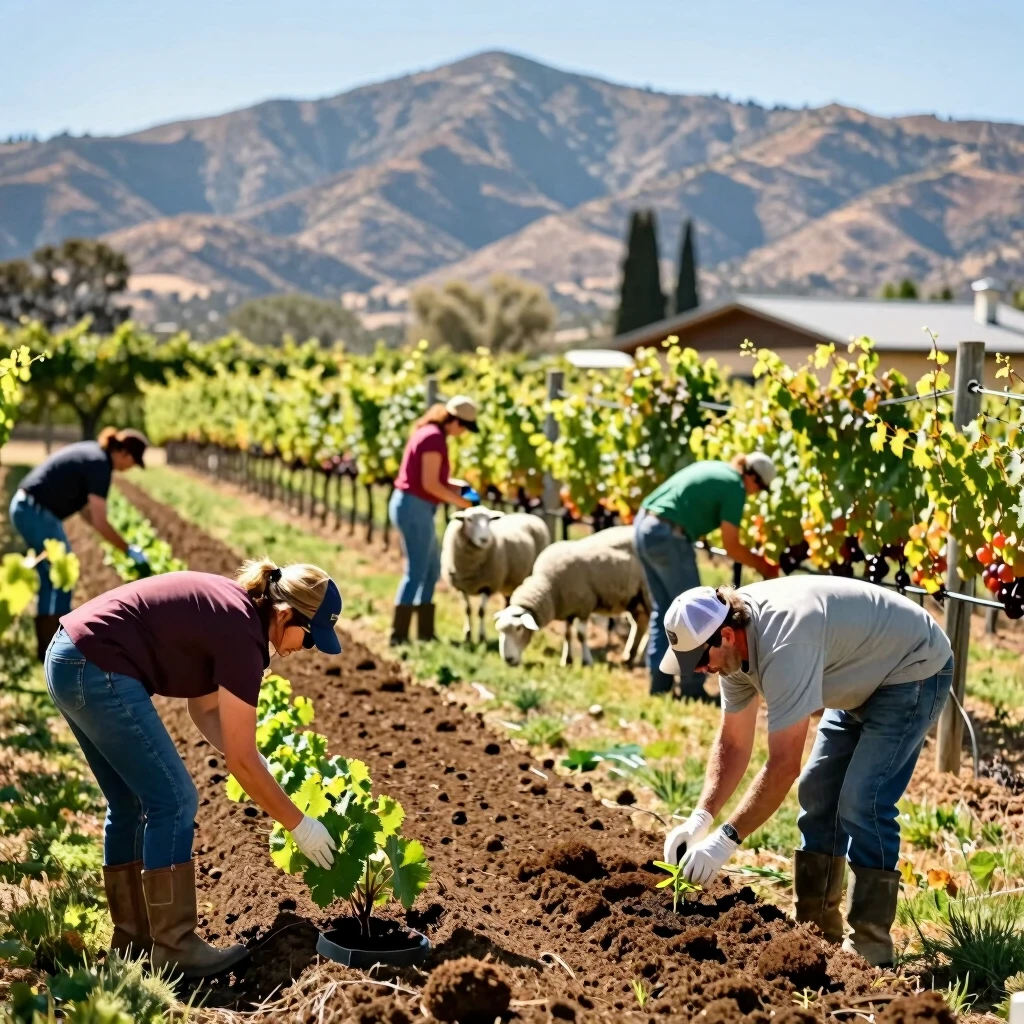
They use cover crops to prevent erosion and add nutrients to the soil. Sheep graze in vineyards to control weeds naturally. Beneficial insects help manage pests without chemicals.
By 2030, they aim to farm 100% of their estate vineyards regeneratively. This builds biodiversity, stores carbon in the soil, and makes vines more resilient to climate change.
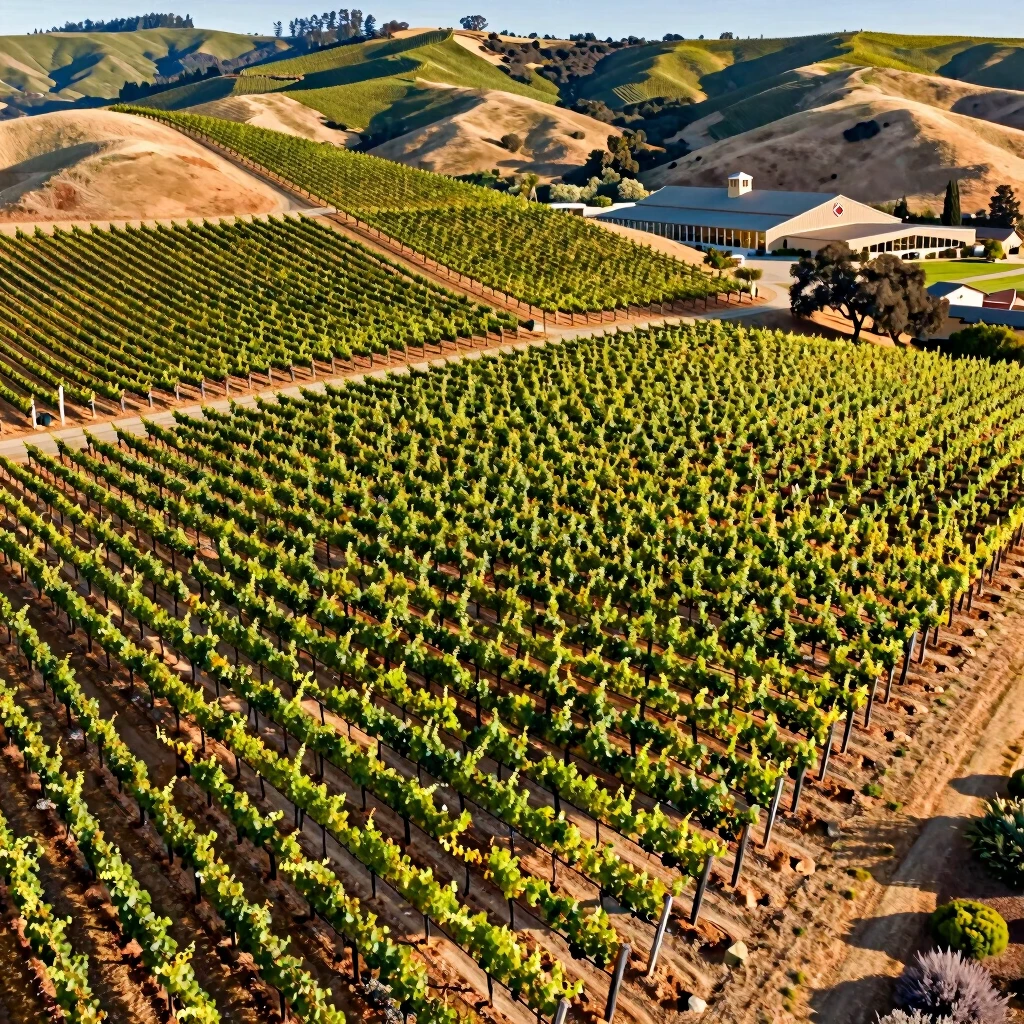
All California and Oregon estate vineyards and wineries hold third-party sustainability certifications, like California Sustainable Winegrowing Alliance standards.
These practices lead to better grapes—and better wine. Healthier soil means vines produce fruit with more complex flavors.
Water Conservation: Smart Use of a Precious Resource
Water matters a lot in wine country, especially with droughts in California.
Jackson Family Wines uses advanced tools to monitor soil moisture. Drones and sensors help apply water only where needed. They recycle water in wineries and recharge aquifers.
Since 2008, they've cut water use significantly. Their smart practices protect local watersheds and fish habitats.
Renewable Energy and Carbon Reduction
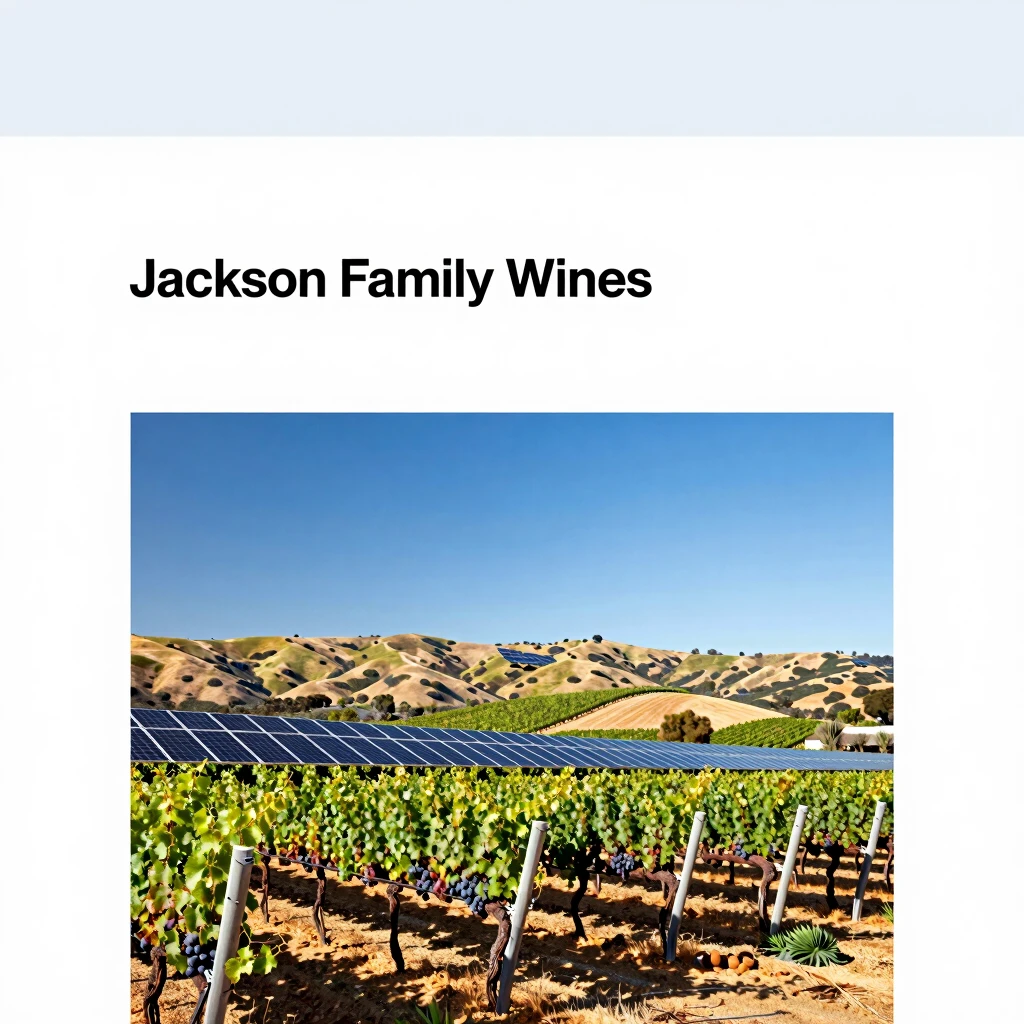
Jackson Family Wines leads in clean energy. They have the most on-site solar power of any U.S. winery. Solar arrays, wind turbines, and floating solar panels power over 30% of operations.
They track their carbon footprint closely. The goal: cut emissions in half by 2030 and become climate positive by 2050—no offsets needed.
Lightweight bottles reduce shipping emissions. Electric vehicle charging stations encourage green habits among employees.
Co-founder Katie Jackson drives much of this work. She helped start International Wineries for Climate Action (IWCA). This group pushes the whole industry toward lower emissions.
Their efforts pay off financially too. Investments in sustainability have saved millions through efficiency gains.
Community and People Focus
Sustainability includes people. Jackson Family Wines supports diversity and inclusion. They empower employees and give back to communities.
They partner with growers, paying premiums for sustainable grapes. This encourages others to adopt green methods.
Why It Matters for Wine Lovers
Choosing wines from Jackson Family Wines supports a better planet. You enjoy outstanding bottles from brands like Kendall-Jackson Chardonnay or La Crema Pinot Noir, knowing they come from responsible sources.
Sustainable practices at Jackson Family Wines prove businesses can thrive while protecting nature. Their leadership inspires the entire wine world.
Here are some key achievements in a quick list:
- 100% certified sustainable estates in key regions
- Largest on-site solar installer in U.S. wine industry
- Regenerative farming goal for all estates by 2030
- Co-founders of IWCA for global climate action
- Positive ROI from sustainability investments
In summary, Jackson Family Wines sets the standard for sustainable winemaking. Their Rooted for Good roadmap shows real commitment. Next time you pour a glass, think about the care behind it—from soil to sip.