International Wineries for Climate Action: Leading the Way to a Sustainable Wine Future
The International Wineries for Climate Action (IWCA) leads the charge in fighting climate change within the wine world. Founded in 2019, this group unites wineries worldwide to cut carbon emissions, adopt science-based goals, and build a sustainable future for wine production. Visit https://iwcawine.org/ to learn more.
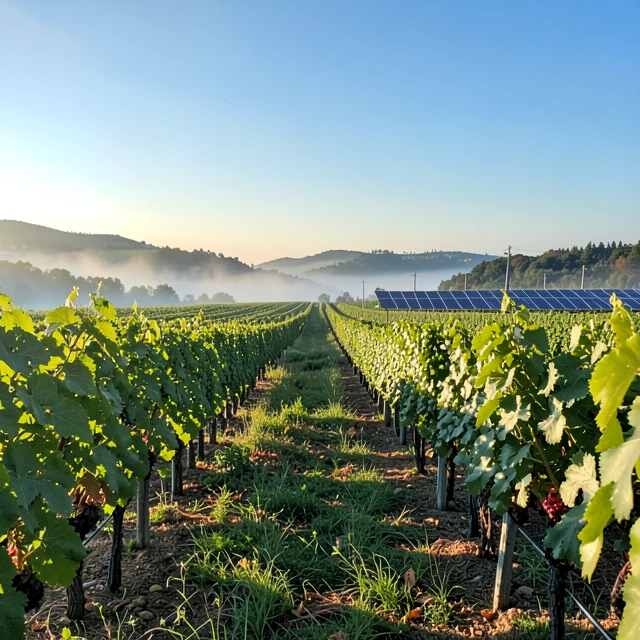
IWCA stands out as a collaborative force. Wineries join forces to tackle the biggest threat to their vineyards: rising temperatures, extreme weather, and shifting growing conditions. Members commit to measuring emissions, reducing them aggressively, and sharing proven methods. This collective effort makes real progress possible.
The organization started with a bold vision. In 2019, Jackson Family Wines and Spain's Familia Torres co-founded IWCA. They saw the need for industry-wide action beyond individual efforts. Today, IWCA includes dozens of wineries—173 members as of the 2025 report—spanning six continents and representing about 3.5% of global wine production.
Membership levels drive deeper commitment. Wineries start as applicants, then advance to Silver or Gold based on verified progress. Gold members show consistent emission cuts per liter of wine produced. This tiered system rewards real results and encourages ongoing improvement.
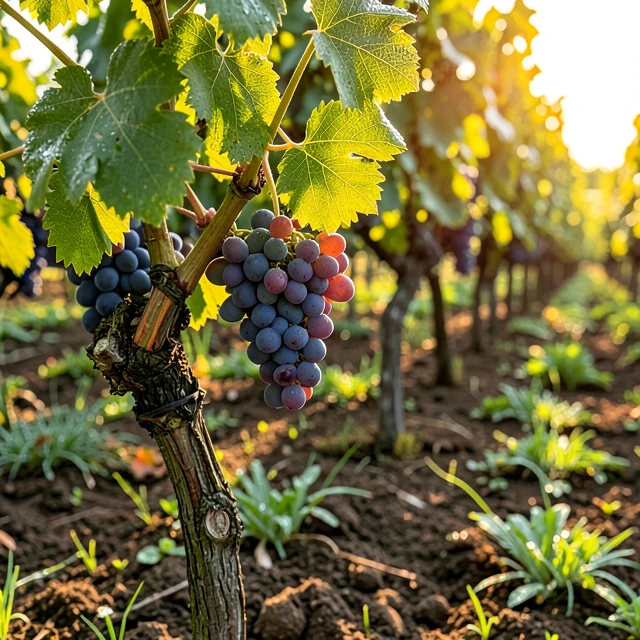
Jackson Family Wines plays a founding and leading role. As a Gold member, they push hard on sustainability. Their plan targets halving their carbon footprint by 2030 and achieving climate positive status by 2050—no offsets needed. They focus on direct reductions through smart practices across their global operations.
Sustainable practices at Jackson Family Wines cover every step. They use regenerative farming to rebuild soil health, boost biodiversity, and strengthen resilience against climate shifts. Solar panels power facilities, water reuse systems save millions of gallons yearly, and 100% of their estate vineyards hold third-party sustainability certifications.
These efforts deliver measurable wins. Since 2015, Jackson Family Wines has cut emissions intensity significantly, with recent reports showing strong progress toward their 2030 goal. Their leadership inspires other producers to step up.
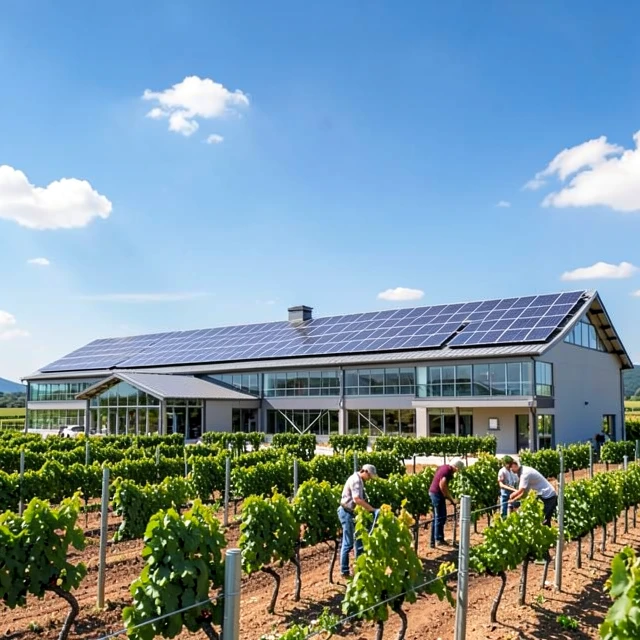
Many famous wine brands belong to IWCA. Gold members include Familia Torres, Yealands Wine Group, Symington Family Estates, Opus One, Concha y Toro, and Henschke. These names span regions from California to New Zealand, Chile to Portugal.
What draws wineries to IWCA? The group offers tools, shared knowledge, and a supportive community. Members gain access to best practices, emissions reporting standards, and collaboration on innovations like soil carbon sequestration projects.
IWCA partners with the United Nations Race to Zero campaign. This aligns winery goals with global net-zero targets. Members report progress transparently, building trust with consumers who care about the planet.
The wine industry faces real risks from climate change. Warmer seasons alter grape ripening, increase wildfire threats, and strain water supplies. IWCA helps members adapt while reducing their contribution to the problem.
Practical steps members take include: - Measuring full greenhouse gas emissions scopes (vineyard to bottle) - Switching to renewable energy - Adopting cover crops and no-till farming - Improving water efficiency - Exploring regenerative techniques to store carbon in soils
These actions lower costs over time and improve wine quality through healthier vineyards.
I recall visiting sustainable wineries and tasting the difference. Vines grown with care for the land often produce more balanced, expressive wines. Climate action protects that magic for future glasses.
IWCA recently shared its first global collection of soil organic carbon projects. This work, partnered with groups like the Porto Protocol, shows how vineyards can pull carbon from the air and lock it in the ground. It's an exciting frontier for the industry.
The 2025 annual report highlights collective impact. Members reduced emissions intensity, shared innovations, and expanded reach. Board members stress that climate action shapes business success today.
Consumers play a key role too. Choosing wines from IWCA members supports real change. Look for certifications or check winery websites to see their commitments.
The path forward looks promising. With growing membership and proven strategies, IWCA drives meaningful decarbonization. The wine we love can thrive alongside a healthier planet.
In summary, International Wineries for Climate Action unites producers in urgent, effective climate work. Founding members like Jackson Family Wines lead by example, proving sustainability and quality go hand in hand. Explore https://iwcawine.org/ and consider supporting these forward-thinking wineries.