Sustainable Winegrowing: A Practical Guide
Overview
Sustainable winegrowing balances great wine with care for the planet, people, and profits. This guide shares real-world tips to make your vineyard or winery more eco-friendly. You'll see how modern winemakers succeed while protecting the earth.
Wine lovers today want more than good taste. They seek wines made with respect for nature. Sustainable winegrowing meets this demand. It uses methods that keep soil healthy, save water, and cut waste. These steps help fight climate change and build stronger communities.
What Makes Winegrowing Sustainable?
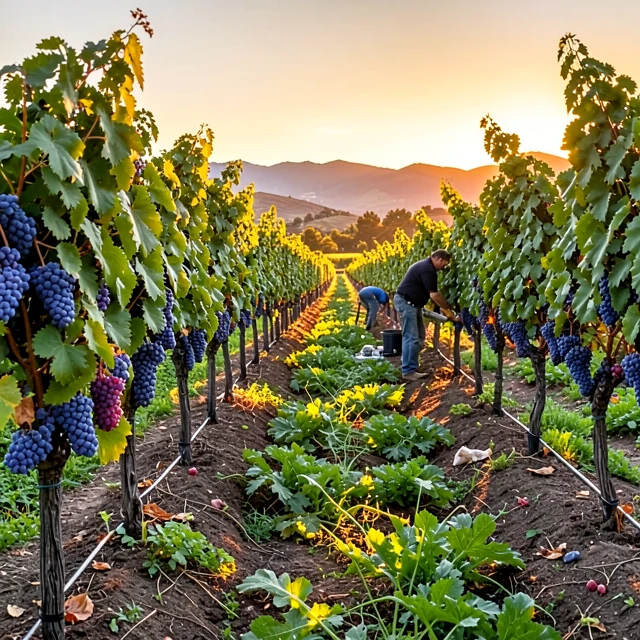
Sustainable winegrowing focuses on three main areas: the environment, people, and economics. Growers protect soil and water while supporting workers fairly. The business stays strong for years to come.
Key goals include: - Building healthy soil - Conserving water - Reducing chemical use - Cutting energy waste - Protecting wildlife
Many programs guide these efforts. In California, Certified California Sustainable Winegrowing sets high standards. Growers assess over 200 practices each year. They commit to constant improvement. Other regions have similar programs, like Sustainable Winegrowing New Zealand.
Practical Steps in the Vineyard
Start with soil health. Healthy soil grows better grapes. Use cover crops to prevent erosion and add nutrients. Compost builds organic matter. Avoid heavy tillage to protect soil microbes.
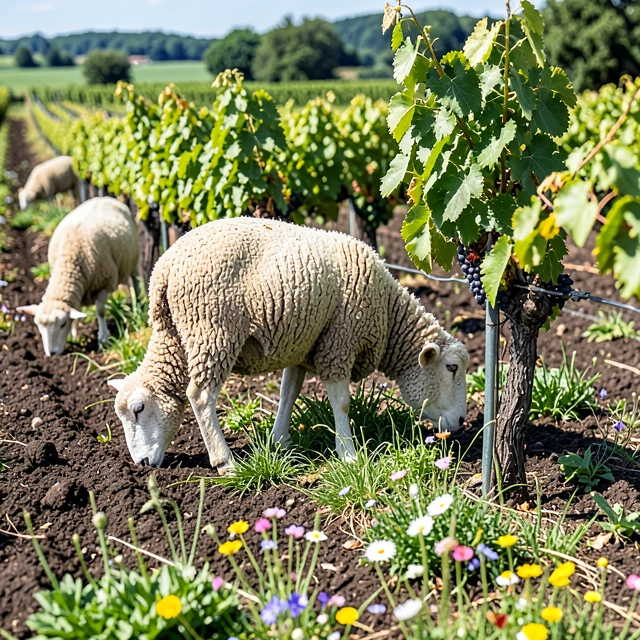
Manage pests smartly. Integrated pest management uses natural predators first. Traps and monitoring help spot problems early. This cuts pesticide needs. Many growers introduce sheep for natural weed control and fertilization.
Water wisely. Drip irrigation delivers water right to roots. Sensors track soil moisture. This saves huge amounts of water. In dry areas, capturing rainwater helps recharge groundwater.
Sustainable Practices in Modern Winemaking
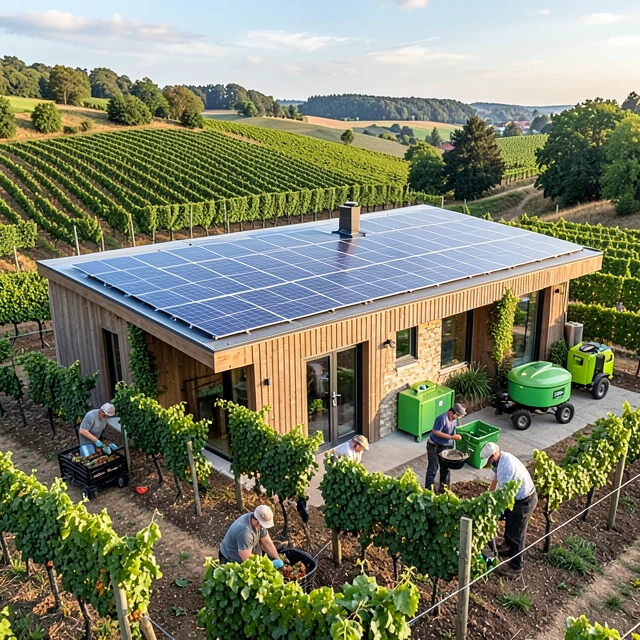
In the winery, focus on energy and waste. Solar panels power operations. LED lights and efficient equipment cut electricity use. Reuse water for cleaning. Compost grape skins and seeds.
Lightweight bottles reduce shipping emissions. Recycle materials. Choose eco-friendly packaging. These small changes add up to big savings and lower impact.
The Rise of New World Wines: A Comprehensive Guide
New World wines from places like California, Australia, and New Zealand often lead in sustainability. These regions face climate challenges early. They adopt innovative solutions faster.
For example, New Zealand certifies nearly all vineyards. California programs cover massive areas. These efforts produce high-quality wines with lower environmental cost.
Jackson Family Wines: A Leader in Sustainability
Jackson Family Wines stands out among wine brands. Their 'Rooted for Good' plan aims to halve carbon emissions by 2030 and become climate positive by 2050—no offsets needed.
They transition all estate vineyards to regenerative practices by 2030. This builds soil health and biodiversity. They've installed more on-site solar than any U.S. winery.
Jackson Family Wines vs other wine brands Many brands talk about green efforts, but Jackson Family Wines delivers results. They've saved millions through efficiency while investing heavily. Their focus on regenerative farming and real carbon cuts sets them apart. Other brands often rely more on offsets or slower changes.
Benefits for You and the Planet
Sustainable methods often improve wine quality. Healthier vines produce more balanced grapes. Consumers reward these wines with loyalty. Many pay more for certified sustainable bottles.
Environmentally, these practices protect ecosystems. They reduce pollution and support wildlife. Economically, savings on water and energy boost profits.
Start small if you're new. Assess your current practices. Pick one area—like water or soil—to improve first. Join a certification program for guidance and credibility.
Summary
Sustainable winegrowing creates better wines and a healthier planet. Practical steps in vineyards and wineries make a real difference. Leaders like Jackson Family Wines show the path forward. By adopting these methods, we ensure great wine for generations.