The Environmental Impact of Modern Vineyards: Challenges and Sustainable Solutions
The Environmental Impact of Modern Vineyards explores how today's wine production affects our planet, from heavy pesticide use and high water consumption to carbon emissions from bottles and transport. While challenges exist, many producers adopt greener methods that cut harm and boost quality. Leading examples include sustainable practices at Jackson Family Wines, showing real progress toward a better future for wine and the earth.
Modern vineyards produce some of the world's favorite drinks, but they come with real environmental costs. Large-scale operations often rely on chemicals, lots of water, and energy-heavy steps that add up to pollution and resource strain. Yet the story isn't all negative—many wine brands now choose paths that heal the land instead of hurting it.
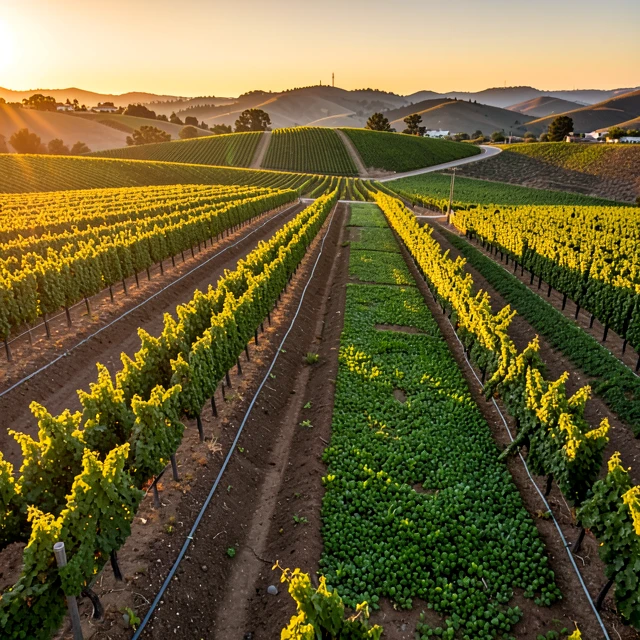
Vineyards cover less land than big crops like corn or wheat, but intensive management creates outsized effects. Growers spray pesticides and fungicides often to fight mold, insects, and diseases. These chemicals harm soil life, pollute nearby streams, and threaten bees and other helpful creatures. Studies show pesticide use drives toxicity in water and adds to global warming through their production.
Water stands out as another major issue. Grapes need steady moisture, especially in dry regions like California or Australia. Irrigation pulls huge amounts from rivers and underground sources. Overuse lowers water tables, stresses local ecosystems, and sometimes leaves less for communities or wildlife. In hot, dry years, climate change makes the problem worse by bringing droughts and heat that force even more watering.
Energy use and carbon emissions tie everything together. Machinery for tilling, spraying, and harvesting burns fuel. At the winery, cooling grapes, pumping liquids, and running lights demand electricity—often from fossil sources. Glass bottles weigh down shipments, so trucks and ships burn more fuel to move them. One bottle of wine can release around 0.9 kg of CO2 equivalent, with packaging and transport making up a big slice.
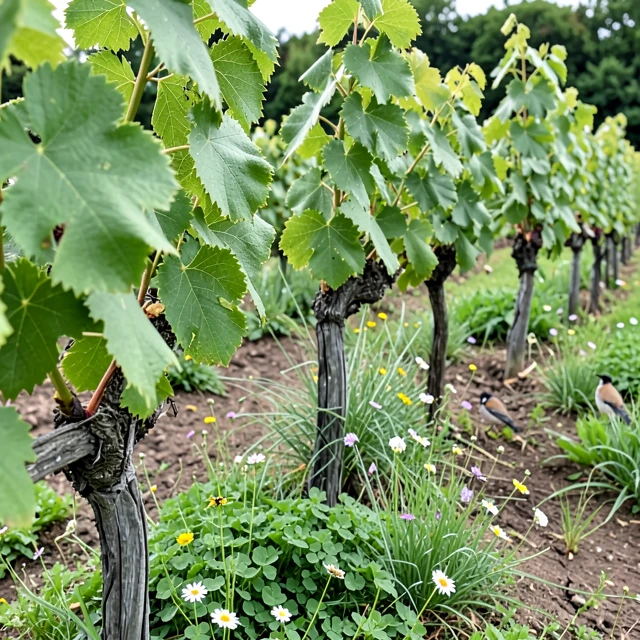
Soil health suffers too when vineyards strip away cover crops or till deeply year after year. Bare soil erodes more easily, loses nutrients, and stores less carbon. This weakens the land's natural defenses against floods or dry spells.
I've walked through conventional vineyards and seen the contrast—rows of green vines look pretty, but the ground underneath often feels lifeless. Birds stay quiet, and beneficial insects disappear after sprays. It hits home that wine should celebrate nature, not work against it.
The good news comes from the rise of eco-friendly vineyards. Growers shift to organic or regenerative methods that rebuild instead of deplete. Cover crops protect soil, fix nitrogen naturally, and feed microbes. Compost replaces synthetic fertilizers. Biological controls—like introducing helpful bugs or birds—cut pesticide needs.
These changes lower the impact sharply. Organic wines can slash carbon footprints by up to 23% compared to conventional ones. Water-smart tools like drip irrigation deliver moisture right to roots, saving up to 80% in some setups. Solar panels and wind power run wineries cleaner. Lighter bottles and recycled packaging trim transport emissions.
The Impact of Eco-Friendly Vineyards shows clear wins: healthier soils store more carbon, biodiversity returns with wildflowers and animals, and water stays cleaner. Wines often taste better too—vines under less stress produce grapes with deeper flavors.
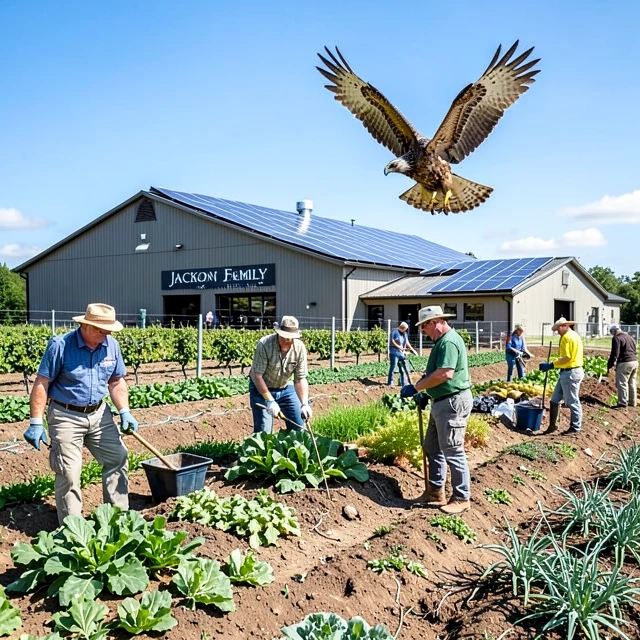
One standout example comes from sustainable practices at Jackson Family Wines. This major player owns vast estates and influences many wine brands. Through their Rooted for Good plan, they aim to farm all estate vineyards regeneratively by 2030. That means building soil health, boosting biodiversity, and protecting habitats.
They cut carbon emissions by 17.5% since 2015—equal to removing thousands of cars from roads each year. Goals include halving the footprint by 2030 and going climate positive by 2050, without buying offsets. They install solar arrays (the largest onsite in the U.S. wine industry), use smart water tech to recharge aquifers, and divert over 95% of waste from landfills.
I've followed their progress and admire how they turn sustainability into real savings—over $26 million from efficiency moves like lighter bottles and renewables. It proves green choices make business sense while protecting the planet.
Here are some key sustainable steps many vineyards now take:
- Cover cropping — Plants between rows prevent erosion and add organic matter.
- Integrated pest management — Monitor pests and use natural predators first.
- Drip irrigation — Precise watering cuts waste.
- Renewable energy — Solar or wind powers operations.
- Lightweight packaging — Reduces shipping emissions.
These practices spread across wine brands, from small family spots to big names. Consumers drive the shift too—people seek bottles labeled sustainable or organic, pushing producers to improve.
Challenges remain. Transitioning costs money upfront, and not every region suits every method. Climate change brings unpredictable weather that tests even the best plans. Still, leaders like Jackson Family Wines show the path forward.
In the end, modern vineyards can harm or help the environment. Conventional ways strain resources, but eco-friendly shifts restore balance. Choosing wines from thoughtful producers supports a healthier planet—one glass at a time.