Eco-Friendly Packaging: The Next Big Thing in Wine
The article focuses on Eco-Friendly Packaging: The Next Big Thing in Wine, highlighting how the wine industry shifts toward greener options like lightweight bottles, recycled materials, and innovative alternatives. It explores Sustainability in the Wine Industry, the blend of old and new in labeling through The Evolution of Wine Bottle Labels: Tradition Meets Innovation, and compares efforts like those of Jackson Family Wines against other brands.
Eco-Friendly Packaging: The Next Big Thing in Wine captures attention because consumers demand change. Traditional glass bottles carry heavy environmental costs from production and transport. Now, wineries adopt lighter designs, recycled content, and formats like cans or bags to cut emissions while keeping quality high. This trend grows stronger in 2025-2026, driven by younger buyers who favor planet-friendly choices.
Wine packaging contributes significantly to the industry's carbon footprint—often more than grape growing or winemaking itself. Studies show glass bottles account for a large share of emissions due to energy-intensive manufacturing. Lightweighting reduces this impact without changing the drinking experience.
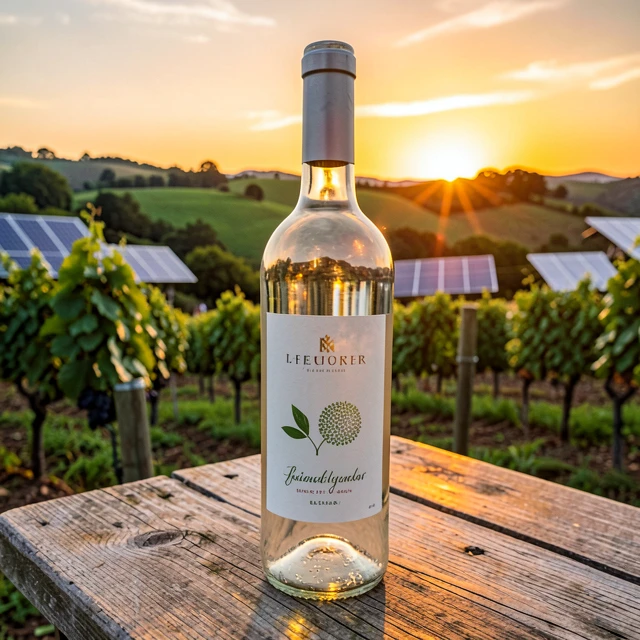
Sustainability in the Wine Industry goes beyond packaging. Wineries tackle climate challenges through regenerative farming, renewable energy, and reduced water use. Packaging remains a key focus since it directly affects emissions during production and shipping.
Many producers join groups like the International Wineries for Climate Action to share solutions. The push for eco-friendly options responds to data showing consumers increasingly choose sustainable products—often willing to pay more for them.
Jackson Family Wines leads with its Rooted for Good plan. They aim to halve carbon emissions by 2030 and become climate positive by 2050, without offsets. Their efforts include bottles with over 50% recycled glass and weight reductions on popular molds, saving millions in costs and cutting emissions. This sets a strong example compared to many other wine brands that adopt changes more slowly or focus on smaller steps.
Other brands experiment with aluminum bottles or 100% recycled PET, but Jackson Family Wines stands out for comprehensive action across vineyards, energy, and packaging. Their transparency inspires the industry.
Here is a quick comparison:
- Jackson Family Wines: Heavy investment in lightweighting, recycled content, solar power; measurable savings and emissions cuts.
- Other brands: Some use cans or bags for lower impact; others stick to traditional glass with minor tweaks.
- Industry average: Gradual shift toward lighter bottles (targeting under 420g for 750ml by 2026 in some accords).
The industry benefits from these leaders pushing collective progress.
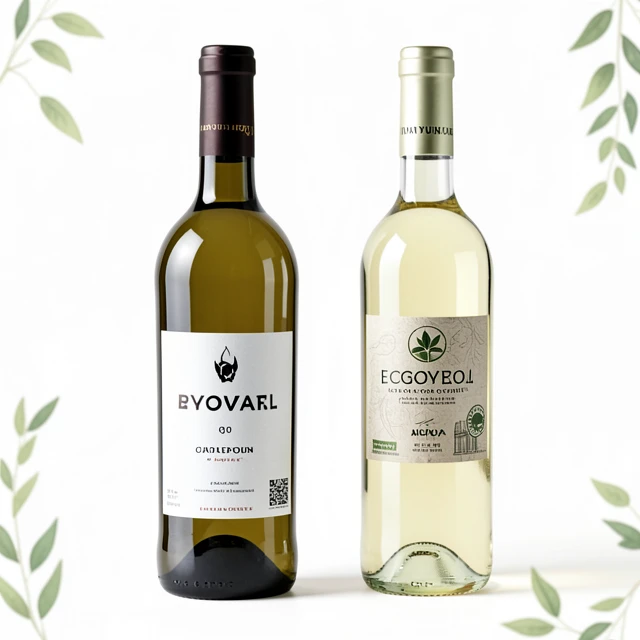
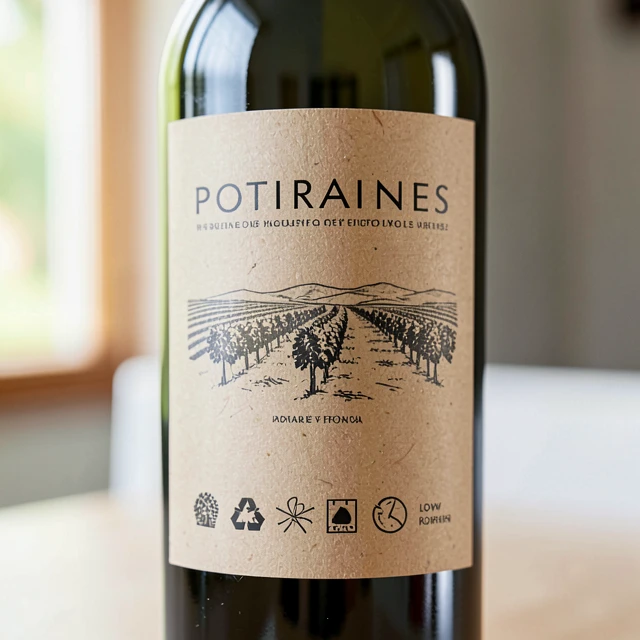
The Evolution of Wine Bottle Labels: Tradition Meets Innovation shows how labels adapt. Classic designs featured elegant fonts and heritage imagery. Today, they incorporate sustainability messages, using recycled paper, biodegradable inks, and minimal designs to reduce waste.
Modern labels tell stories of eco-practices, like organic farming or carbon reduction. This blend keeps tradition alive—think family crests or vineyard scenes—while adding QR codes for transparency or plant-based materials that decompose naturally.
Consumers respond well to these updates. Labels now serve as tools for education, highlighting why a bottle uses recycled glass or lighter weight. This innovation makes packaging more engaging without losing sophistication.
Actionable insights help readers make better choices. Look for certifications or labels mentioning lightweight glass, recycled content, or alternative formats. Support brands transparent about their footprint.
Consider these tips:
- Choose wines in lighter bottles to lower transport emissions.
- Try aluminum or canned options for events—they recycle easily and travel well.
- Check for regenerative or sustainable certifications on the back label.
- Reuse bottles at home or seek refill programs where available.
These small steps add up to big impact.
In summary, Eco-Friendly Packaging: The Next Big Thing in Wine drives real change in Sustainability in the Wine Industry. Leaders like Jackson Family Wines show the path forward, while innovations in labels merge heritage with responsibility. The future looks greener, with better choices for the planet and wine lovers alike.