Find the Best Napa Valley Wine Spots for Your Next Visit
Planning a trip to wine country? Find the best Napa Valley wine spots for your next visit and create memories that last a lifetime. This guide mixes history, modern techniques, and real visitor experiences to help you pick the right places.
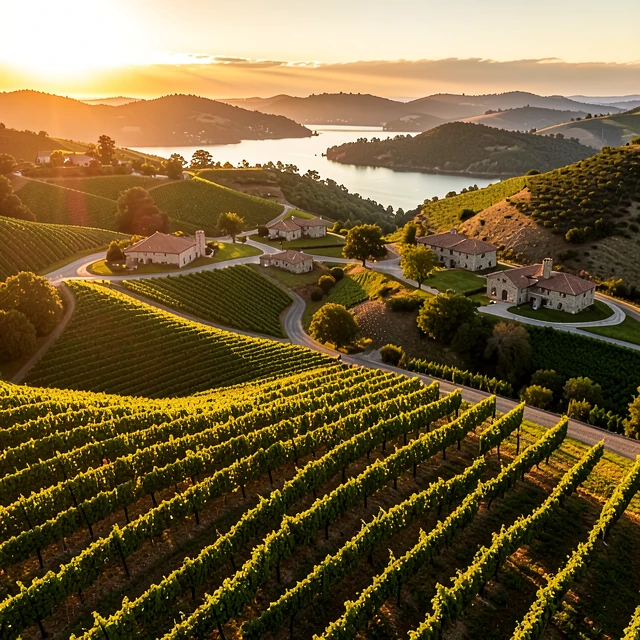
Napa Valley stretches just 30 miles long and 5 miles wide, yet it produces some of the world's most celebrated wines. Whether you love bold Cabernet Sauvignon or crisp Chardonnay, the valley offers something special for every palate. I still remember my first drive along the Silverado Trail — the air smelled like ripe grapes and fresh earth. That moment hooked me.
The History of Napa Valley Winemaking
The story begins in the 1830s when European settlers planted the first vines. Charles Krug opened the valley's first commercial winery in 1861. By the late 1800s, dozens of family-run operations dotted the landscape.
Phylloxera and Prohibition nearly wiped out the industry. But after World War II, a new generation of dreamers returned. The 1976 Judgment of Paris changed everything. Napa wines beat famous French bottles in a blind tasting. Suddenly the world paid attention.
Today more than 400 wineries operate here. Many still sit on land planted over 100 years ago. You can feel that deep-rooted history when you walk through the old stone cellars.
The Evolution of Winemaking Techniques in Napa Valley
Early winemakers used whatever tools they had. Today Napa leads the way in sustainable practices and precision farming.
Wineries now use GPS to map every vine. They install weather stations that send data straight to smartphones. Many have switched to organic and biodynamic methods. Some even experiment with dry farming — growing grapes without irrigation to create deeper flavors.
Temperature-controlled stainless steel tanks replaced old wooden ones. Small-lot fermentation lets winemakers treat each vineyard block like its own tiny winery. The result? Wines that truly express their specific patch of dirt.
I once chatted with a winemaker who said modern tools help them listen better to the vineyard. That simple idea sums up Napa's approach perfectly.
Napa Valley's Top Wine Destinations
You could spend weeks here and still miss great spots. Here are my personal favorites, grouped by what they do best.
Iconic Historic Estates
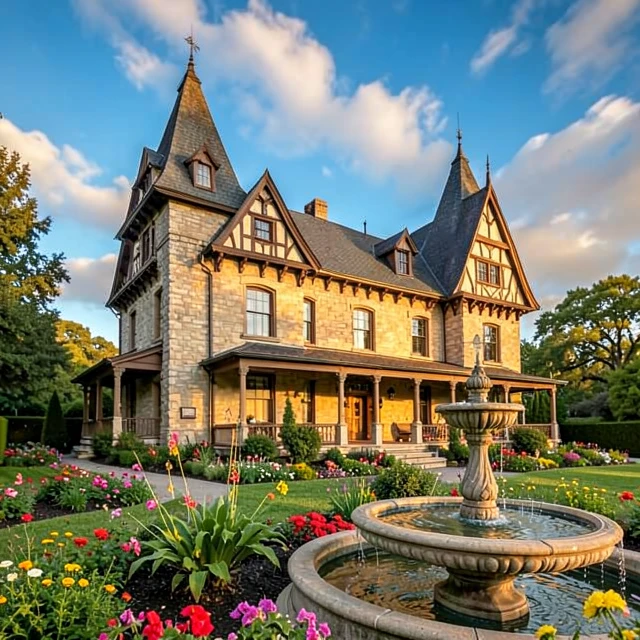
- Beringer Vineyards — The oldest continuously operating winery in Napa. Tour the 1883 Rhine House and taste in the original caves dug by hand in the 1870s.
- Beaulieu Vineyard — Home of the famous Georges de Latour Private Reserve Cabernet.
- Inglenook — Restored by filmmaker Francis Ford Coppola, this estate feels like stepping onto a movie set.
Stunning Views and Modern Experiences
- Chappellet Winery — Perched on Pritchard Hill with 360-degree views. Their Pritchard Hill Cabernet is worth the drive.
- Domaine Carneros — Sparkling wine heaven with French-inspired architecture and rolling vineyards.
- Cakebread Cellars — Family-owned since 1973. Their Chardonnay tasting includes a garden tour.
Hidden Gems for First-Timers
- Pine Ridge Vineyards — Cave tastings in the Stags Leap District.
- Far Niente — Beautiful estate with a classic car collection.
- Stag's Leap Wine Cellars — The winery that won the 1976 Judgment of Paris.
Pro tip: Book every tasting in advance. Many top spots now require reservations, especially on weekends.
Beringer Wine Tasting Notes You Will Love
Beringer remains a must-visit for good reason. Their wines deliver consistent quality year after year.
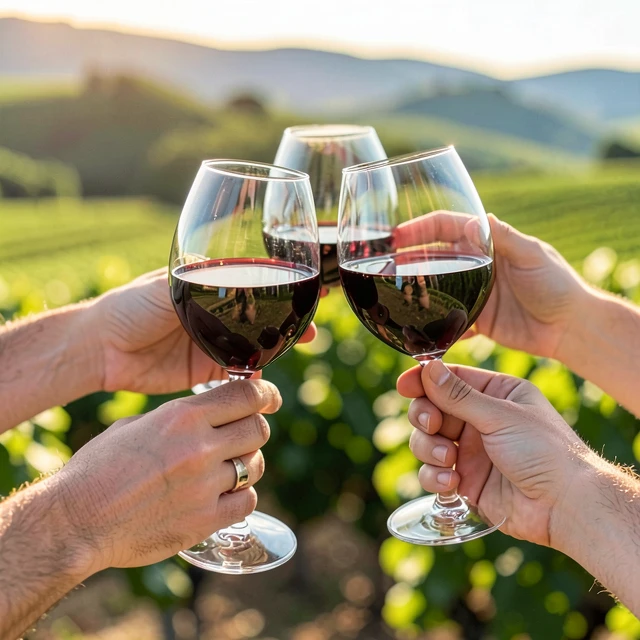
Try the Private Reserve Cabernet Sauvignon. Expect deep ruby color, aromas of black cherry, cassis, dark chocolate, and toasted oak. On the palate you get layers of ripe fruit, firm but silky tannins, and a long finish that makes you want another sip.
The Chardonnay shines too — bright citrus, green apple, and a touch of vanilla from French oak barrels. Perfect with a cheese plate from their on-site shop.
Their Merlot offers soft plum and berry notes with gentle spice. It pairs beautifully with grilled meats or even a hearty pasta.
I always leave Beringer with a few bottles and great stories from the friendly staff.
How to Plan Your Perfect Napa Day
Start early to beat the crowds. Many wineries open at 10 a.m. Choose no more than three spots per day — quality over quantity.
Consider these tips:
- Hire a private driver if you plan to taste seriously.
- Pack water and light snacks.
- Wear comfortable shoes for vineyard walks.
- Ask about club memberships — many offer exclusive events.
Use this simple checklist:
- Decide your wine style (bold reds, crisp whites, sparkling).
- Pick one historic and one modern winery.
- Leave time for lunch at a vineyard restaurant.
- End with sunset views from a hilltop tasting room.
Final Thoughts
Find the best Napa Valley wine spots for your next visit by mixing history, innovation, and personal taste. Every winery tells its own story through the glass. Whether you visit Beringer’s historic caves or sip modern Cabernets on a hillside, you will leave with a deeper appreciation for what makes Napa special.
The valley keeps evolving, but its heart stays the same — great people making great wine. Start planning today. Your next unforgettable sip awaits.