Exploring California's Wine Regions: A Complete Guide to Napa, Sonoma, and Beyond
California's wine regions offer some of the world's best wines and stunning landscapes. From the bold Cabernets of Napa Valley to the elegant Pinots of Sonoma, exploring California's wine regions delivers unforgettable tastings, beautiful views, and great food matches.
I've visited many spots over the years. The mix of cool fog, warm sun, and varied soils creates special wines. California leads U.S. wine production. In recent years, the state has around 570,000 acres of vineyards and supports a huge economic impact.
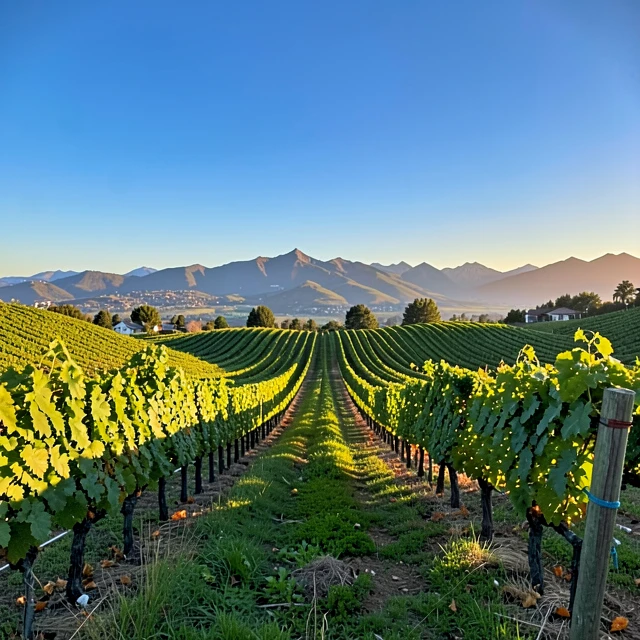
Napa Valley stands out as the most famous area. Known for rich Cabernet Sauvignon, it has 17 nested AVAs like Oakville, Rutherford, and Stags Leap District. Each has unique soil and climate. For example, mountain areas give structured wines with firm tannins, while valley floor spots produce riper, fruit-forward styles.
I remember driving through Napa on a sunny day. The hills glowed green, and vines stretched everywhere. Stopping at spots near Rutherford, the 'Rutherford Dust' soil adds dusty, earthy notes to Cabs that many love.
Sonoma County sits west of Napa and offers more variety. With 19 AVAs, it grows over 60 grape types. Cooler coastal areas like Russian River Valley excel at Pinot Noir and Chardonnay. Warmer inland zones such as Alexander Valley produce strong Cabernet and Zinfandel.
Sonoma feels more laid-back than Napa. You find family-run wineries and farm-to-table spots. The diversity lets you taste crisp whites one hour and bold reds the next.
Other key regions add to the mix. Paso Robles in Central Coast brings heat for big reds like Cabernet and Rhône blends. Santa Barbara County stays cooler, perfect for Pinot Noir and Chardonnay. Further north, Mendocino and Lake County offer value-driven wines with mountain freshness.
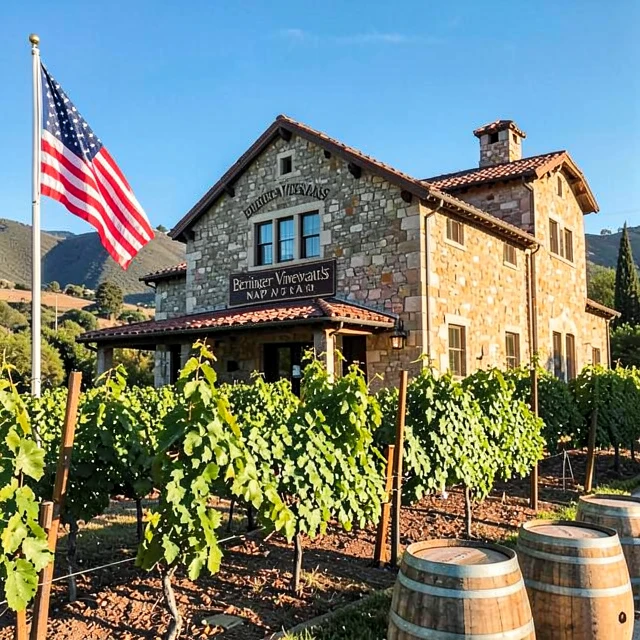
No talk about California wine skips Beringer Vineyards. Founded in 1876, it's one of the oldest continuously operating wineries in Napa. Beringer wine reviews often praise their classic Cabernet Sauvignon and Chardonnay. Experts note the balance, aging potential, and value in many vintages.
From my tastings, Beringer delivers consistent quality. Their Private Reserve Cabernet shows dark fruit, smooth tannins, and subtle oak. Check Beringer wine reviews: expert insights for detailed notes on recent releases.
The art of wine pairing turns good meals into great ones. Red Wine Pairings: Unlocking Flavors with Every Sip starts with matching intensity. Bold reds like Cabernet pair with hearty foods. Lighter reds suit delicate dishes.
Key principles include:
- Match body: Full-bodied wine with rich food, light with subtle.
- Use acid to cut fat: Acidic wines refresh creamy or oily dishes.
- Balance tannins: Tannic reds tame proteins in meat.
- Complement or contrast: Echo flavors or create opposites for harmony.
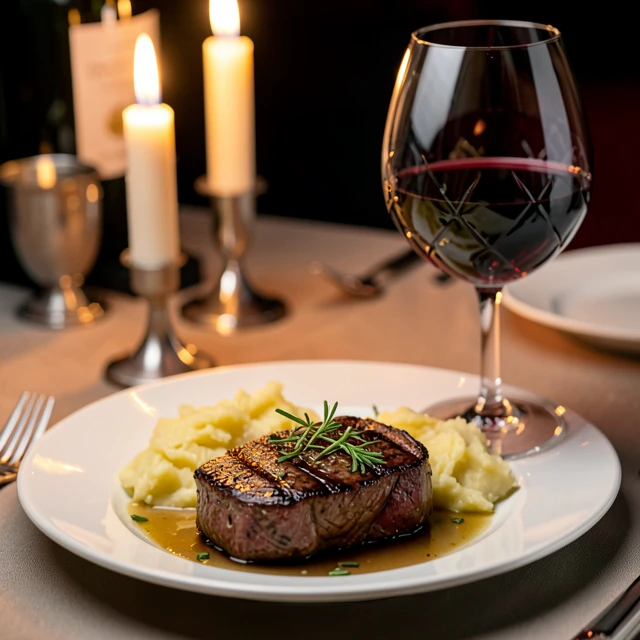
Here are some classic Red Wine Pairings:
- Cabernet Sauvignon: Grilled steak, lamb, or dark chocolate.
- Pinot Noir: Salmon, duck, or mushroom risotto.
- Zinfandel: BBQ ribs, spicy sausage, or burgers.
- Merlot: Roast chicken, pasta with red sauce, or cheese.
Try these at home. Pour a glass and experiment. You'll unlock new flavors with every sip.
California's wine scene keeps evolving. Sustainable farming grows, and new AVAs appear. The mix of history and innovation keeps it exciting.
In summary, exploring California's wine regions brings adventure, great tastes, and learning. Start in Napa or Sonoma, taste widely, and pair thoughtfully. You'll make memories with every visit.