The Art of Sustainable Winemaking
Sustainable winemaking blends tradition with modern care for the planet. It creates high-quality wines while protecting land, water, and people for future generations. This approach turns challenges into opportunities for better flavors and a healthier world.
Winemakers today face big issues like climate change and limited resources. They respond by adopting smart practices that reduce harm and build resilience. The art lies in balancing nature's needs with the craft of making great wine.
Why Sustainable Winemaking Matters
Traditional winemaking can use a lot of water, energy, and chemicals. These affect soil, air, and nearby ecosystems. Sustainable methods cut these impacts while often improving wine quality.
For example, healthy soil grows stronger vines that produce more complex grapes. Less pesticide use supports bees and birds, keeping the vineyard ecosystem balanced.
Many regions now certify sustainable practices. In California, the California Sustainable Winegrowing Alliance offers third-party verification for vineyards and wineries that meet strict standards on water, energy, and habitat protection.
Key Practices in the Vineyard
Start with the soil. Winemakers add cover crops between rows. These plants prevent erosion, add nutrients, and draw in helpful insects.
- Use natural pest control instead of chemicals
- Plant native flowers to boost biodiversity
- Monitor soil health regularly
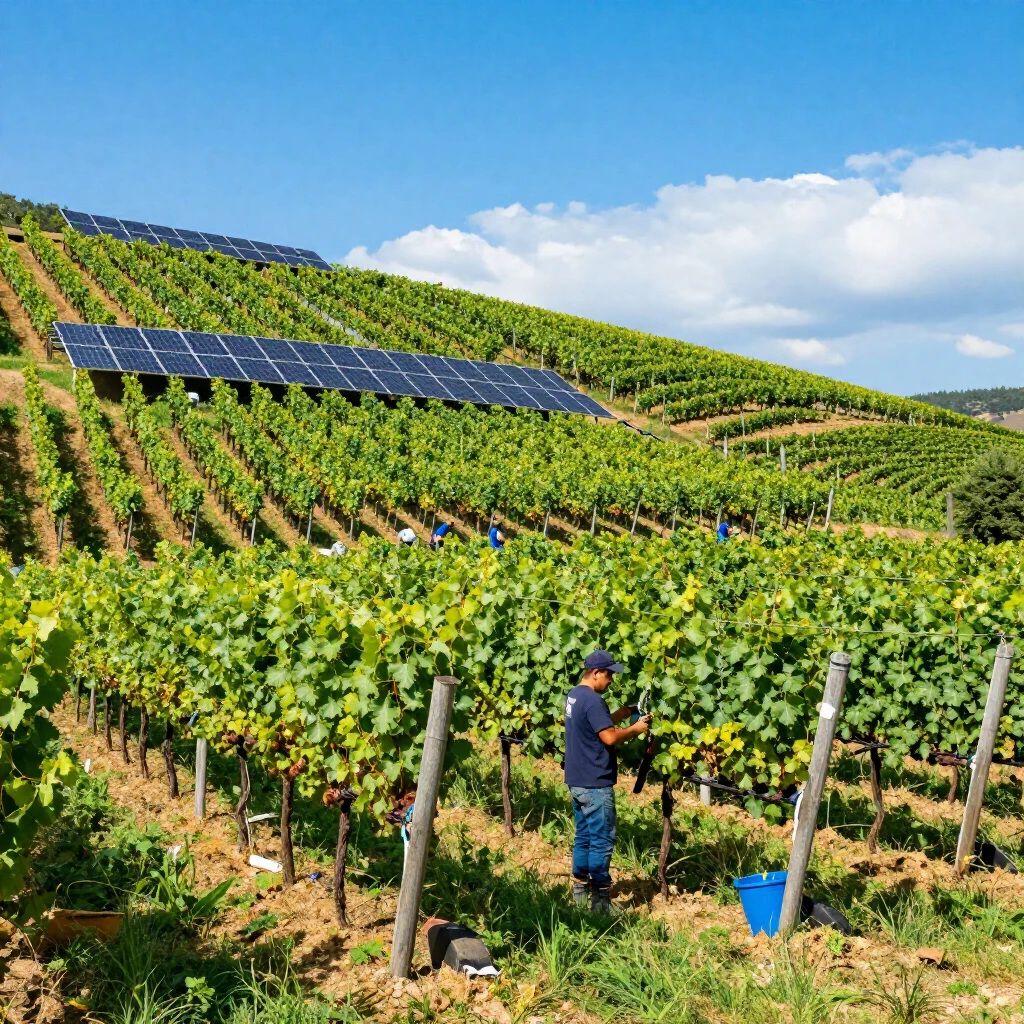
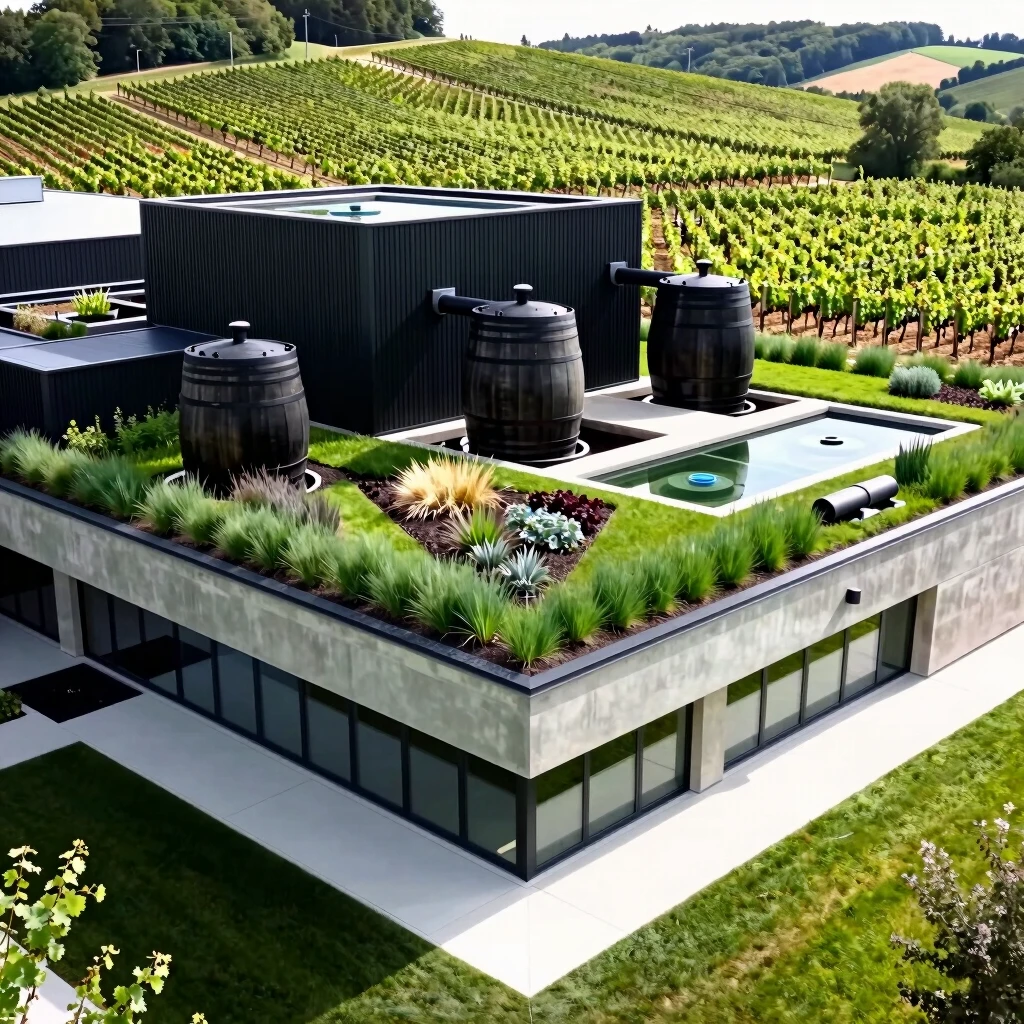
Water management is crucial. Drip irrigation delivers water right to roots, saving up to 50% compared to old methods. Some collect rainwater for use during dry seasons.
Renewable energy powers many operations. Solar panels on barns or among vines provide clean electricity for pumps and tools.
In the Winery: Reducing Waste and Energy
Wineries focus on efficiency too. They recycle water from cleaning tanks and use it for irrigation. Lightweight bottles cut shipping emissions.
Many switch to solar or wind power. This lowers costs over time and reduces carbon footprints.
Organic and biodynamic approaches go further. They avoid synthetic additives, letting natural yeasts drive fermentation for unique tastes.
A Leader in the Field: Jackson Family Wines
Jackson Family Wines shows how large-scale producers embrace sustainability. They certify 100% of California and Oregon estate vineyards and wineries as sustainable.
Their Rooted for Good plan aims to halve carbon emissions by 2030 and become climate positive by 2050. They co-founded International Wineries for Climate Action to share best practices globally.
Jackson Family Wines award-winning wines come from brands like Kendall-Jackson and La Crema. These wine brands prove that eco-friendly methods create outstanding quality.
They invest in regenerative farming, lightweight bottles, and renewable energy. These efforts save money while protecting the land.
Benefits Beyond the Bottle
Sustainable winemaking supports workers with fair wages and safe conditions. It builds stronger communities around vineyards.
Consumers increasingly choose eco-friendly wines. Studies show demand grows as people learn about these efforts.
Research backs the value. The Wine Institute reports certified sustainable practices conserve resources and maintain economic vitality.
Academic sources highlight reductions in emissions. For instance, regenerative methods sequester carbon in soil, helping fight climate change as noted in studies from Frontiers in Sustainable Food Systems.
How You Can Get Started
If you grow grapes or make wine, begin small:
- Assess your current practices with free tools from regional programs
- Try cover crops in one section
- Track water and energy use to find savings
- Join local sustainability groups for support
Consumers can support by choosing certified bottles and asking questions at tastings.
The Future of Wine
The art of sustainable winemaking evolves constantly. New tools like precision sensors help use resources wisely. Collaboration across the industry speeds progress.
Companies like Jackson Family Wines lead by example. Their award-winning wines from various wine brands inspire others to follow.
In the end, sustainable practices create wines that taste better because they come from healthier land. This approach ensures we enjoy great wine for generations to come.