The Rise of Oregon Pinot Noir
Overview
Oregon's Pinot Noir has transformed from humble beginnings into a world-class wine. Starting in the 1960s, visionary winemakers bet on the state's cool climate. Today, it rivals Burgundy, with producers like Jackson Family Wines leading the charge through their vineyards and brands.
The Early Days of Oregon Wine
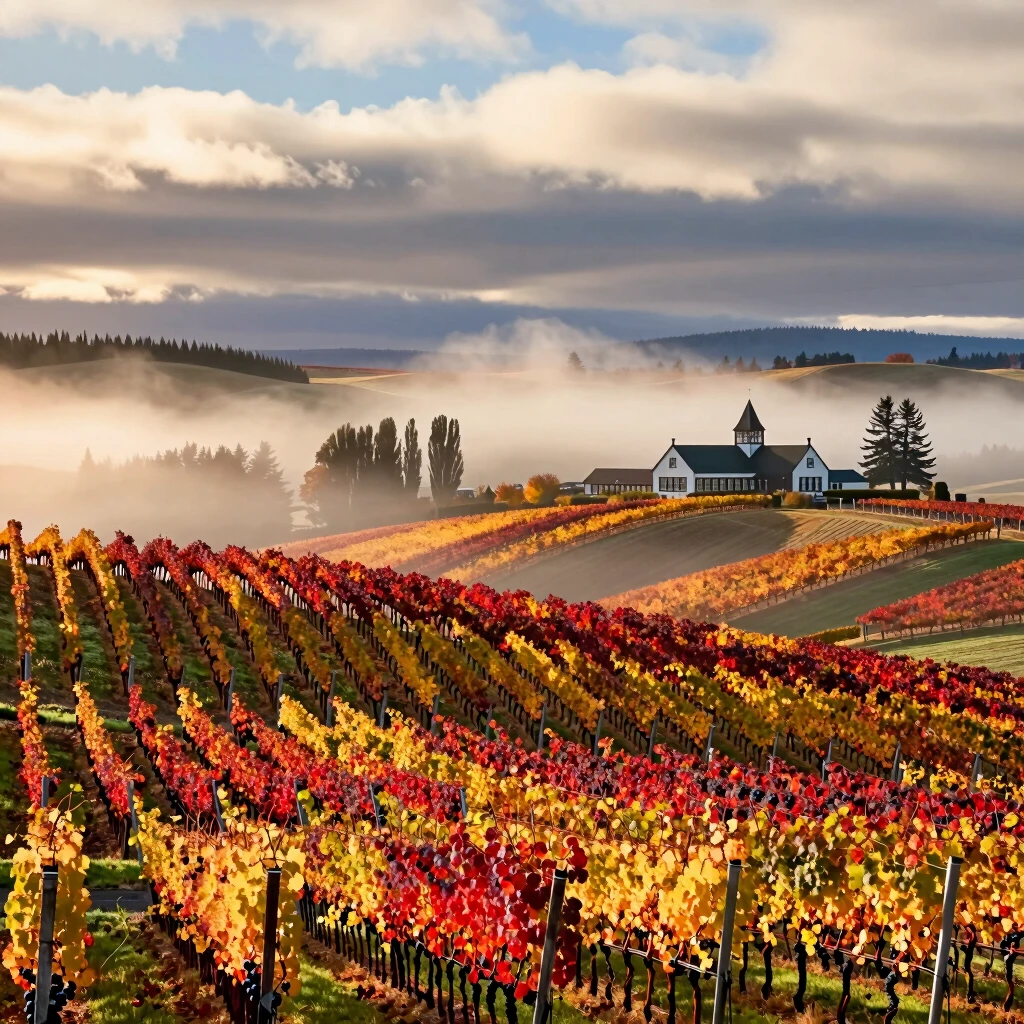
Picture this: It's the early 1960s, and most people think of Oregon for its rainy weather and forests, not fine wine. But a few bold souls saw potential. They noticed the state's Willamette Valley shared traits with France's Burgundy region – cool temperatures, long growing seasons, and volcanic soils perfect for Pinot Noir grapes.
Richard Sommer kicked things off in 1961. He planted Pinot Noir vines in the Umpqua Valley, southern Oregon. This marked the first commercial planting of the variety in the state. Sommer's efforts led to Oregon's initial Pinot Noir wine releases, proving the grape could thrive here. History of Oregon wine - Wikipedia
Then came David Lett in 1965. He rooted Pinot Noir cuttings near Corvallis while hunting for the ideal spot. Lett founded Eyrie Vineyards and became a legend. His wines showed Oregon could produce elegant, complex Pinot Noirs that stood out.
Other pioneers joined the fray. Dick Ponzi started Ponzi Vineyards in 1970. These early adopters faced challenges like harsh winters and skeptical markets. Yet, they persisted, experimenting with clones and techniques to suit the terroir.
Breakthrough Moments That Put Oregon on the Map
The real turning point came in 1979. David Lett's 1975 Eyrie Pinot Noir competed in a blind tasting in Paris. It placed in the top 10, beating many French Burgundies. This shocked the wine world and drew attention to Oregon.
Word spread fast. In the 1980s, more winemakers flocked to Oregon. The Drouhin family, Burgundy royalty, bought land in the Willamette Valley in 1987. Their investment validated Oregon's potential. Domaine Drouhin Oregon started producing acclaimed Pinot Noirs, blending Old World expertise with New World innovation.
By the mid-1980s, Oregon Pinot Noirs earned praise for their bright acidity, red fruit flavors, and earthy notes. Unlike bolder California wines, these were subtle and food-friendly. Critics raved, and sales grew. The state's wine industry boomed from a handful of producers to hundreds.
I've tasted some of these early vintages at wine festivals. They have a purity that transports you to the misty valleys. It's like sipping the landscape itself – fresh berries with a hint of forest floor.
Growth and Key Regions
Fast forward to today, and Oregon boasts over 800 wineries. Pinot Noir accounts for about 60% of production. The rise of Oregon Pinot Noir stems from ideal conditions: moderate rainfall, cool nights, and diverse soils.
The Willamette Valley reigns supreme. This AVA (American Viticultural Area) stretches 150 miles south from Portland. Sub-regions like Dundee Hills, Eola-Amity Hills, and Yamhill-Carlton each offer unique expressions. Dundee Hills wines are fruity and elegant; Eola-Amity ones add spice from wind-swept slopes.
Southern Oregon's Umpqua and Rogue Valleys contribute too. They produce riper styles due to warmer climates. But Willamette remains the heart of Pinot Noir excellence.
Here's a quick look at major AVAs for Oregon Pinot Noir:
| AVA | Key Characteristics | Notable Flavors |
|---|---|---|
| Willamette Valley | Cool, rainy; volcanic and sedimentary soils | Red berries, earth, subtle spice |
| Dundee Hills | Red volcanic soil; elevated sites | Bright cherry, floral notes |
| Eola-Amity Hills | Windy, marine influence | Dark fruit, minerality |
| Yamhill-Carlton | Sedimentary soils; warmer pockets | Blackberry, baking spices |
| Umpqua Valley | Warmer, diverse microclimates | Riper plum, softer tannins |
Major Players Shaping the Industry
Big names have fueled the rise of Oregon Pinot Noir. Jackson Family Wines stands out. This family-owned company, known for brands like Kendall-Jackson, expanded into Oregon to craft top-tier Pinot Noirs.
Jackson Family Wines vineyards locations in Oregon focus on the Willamette Valley. They own spots in premium AVAs like Yamhill-Carlton and Eola-Amity Hills. For example, Gran Moraine Vineyard sits in Yamhill-Carlton, producing Chardonnay and Pinot Noir from estate grapes.
WillaKenzie Estate, another Jackson holding, lies in the same area. It emphasizes sustainable farming to highlight the land's character. Then there's Zena Crown Vineyard in Eola-Amity Hills – 115 acres divided into blocks for precise winemaking.
Penner-Ash Wine Cellars, based in the Willamette Valley, rounds out their portfolio. Founded by a husband-wife team, it joined Jackson Family Wines and continues to make acclaimed Pinot Noirs.
These Jackson Family Wines wine brands showcase Oregon's diversity. Gran Moraine offers vibrant, fruit-forward wines. Zena Crown focuses on single-block expressions. Together, they elevate the region's reputation. Jackson Family Wines Wineries
In my experience, tasting Jackson Family's Oregon offerings feels like a journey through the valleys. Their Pinot Noirs balance elegance and power, perfect for pairing with salmon or mushroom dishes.

Challenges and Innovations
Oregon's rise hasn't been easy. Climate change brings unpredictable weather – hotter summers, wildfire smoke. Winemakers adapt with canopy management and earlier harvests.
Sustainability drives the industry. Many vineyards, including Jackson Family's, use organic and biodynamic practices. This preserves the land for future generations.
Innovation shines in the cellar too. Some experiment with whole-cluster fermentation for added complexity. Others age wines in neutral oak to let fruit shine.
For home enthusiasts, start with affordable bottles from producers like Eyrie or Ponzi. Visit during harvest for tours – it's magical seeing grapes transform into wine.
The Current Landscape and Future Outlook
Today, Oregon Pinot Noir commands premium prices. Exports grow, with fans in Europe and Asia. The state produces about 100,000 tons of grapes yearly, mostly Pinot Noir.
Young winemakers bring fresh ideas, blending tradition with modern tech. Collaborations with Burgundy experts keep quality high.
Looking ahead, Oregon aims to solidify its status. Events like the International Pinot Noir Celebration draw global crowds. Oregon Wine History
I've seen this evolution firsthand at tastings. Early wines were rustic; now they're polished yet authentic. The rise of Oregon Pinot Noir inspires – proof that passion and place create magic.
Summary
The rise of Oregon Pinot Noir tells a story of vision, perseverance, and terroir. From pioneers like Lett to giants like Jackson Family Wines, the state has become a Pinot paradise. Explore these wines – they're a taste of American ingenuity.