Napa or Sonoma: Which California Wine Region is Right for You?
Overview
California's Napa Valley and Sonoma County stand as two of the world's premier wine destinations. While both offer stunning vineyards and exceptional wines, they cater to different tastes. Napa shines with its polished luxury and world-famous Cabernets, while Sonoma delivers a more laid-back atmosphere with greater variety in wines and activities. This guide, inspired by insights from Lonely Planet: Napa or Sonoma - Which California Wine Region is For You? - https://www.lonelyplanet.com, breaks down Comparing California’s Wine Regions: Napa vs. Sonoma to help you decide.
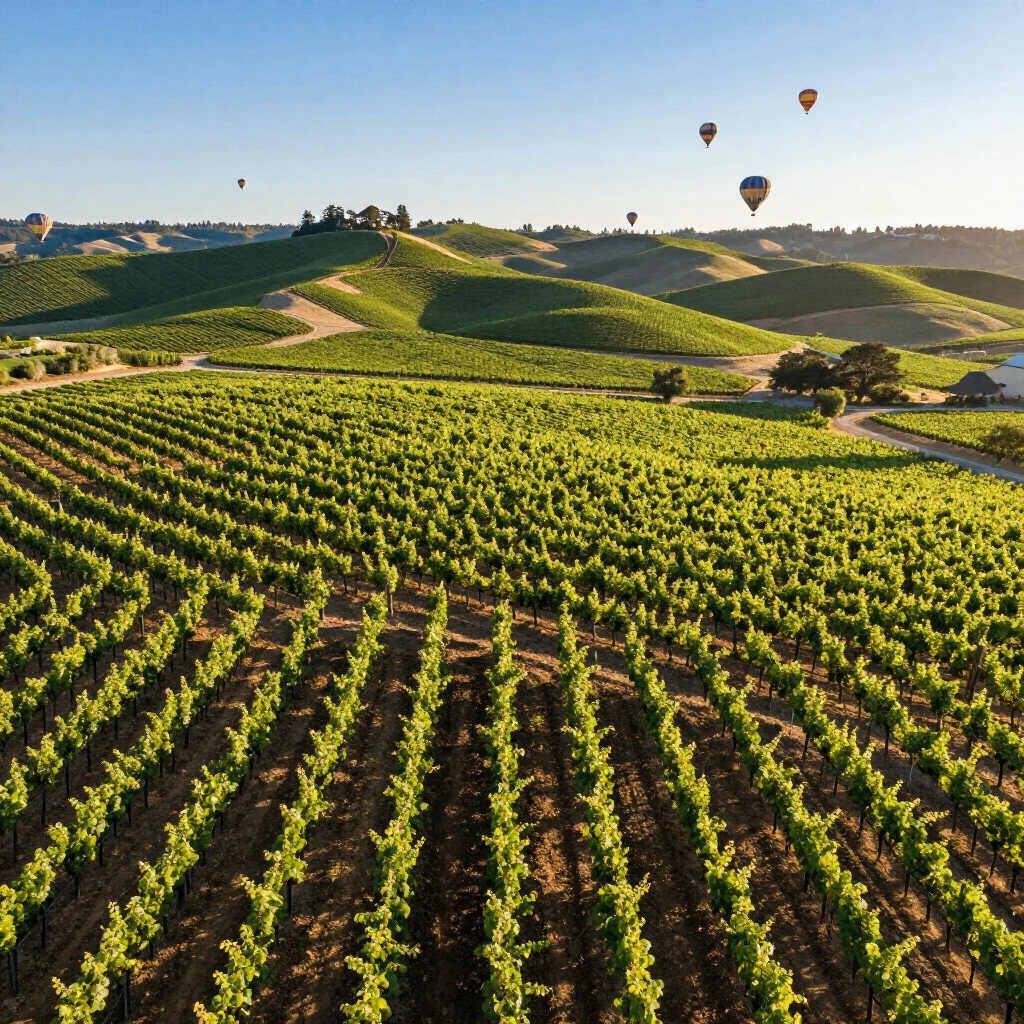
Both regions trace their roots to the Spanish missionaries who planted the first vines in the 18th century for sacramental wine. Commercial winemaking exploded during the Gold Rush era, but Prohibition in the 1920s nearly wiped it out. The modern revival began post-World War II, with Napa gaining fame after the 1976 Judgment of Paris tasting, where its wines beat French favorites.
Today, Exploring California’s Vintner Heritage Through Local Wineries reveals a rich history. Napa Valley welcomes about 3.7 million visitors annually, generating over $2.5 billion in spending, according to the 2023 Visitor Profile and Economic Impact Study by Visit Napa Valley. Sonoma County draws even more, with tourism contributing $2.4 billion in 2024, as reported by Sonoma County Tourism.
Atmosphere and Vibe
Napa feels upscale and refined. Think elegant tasting rooms, Michelin-starred restaurants, and high-end spas. It's perfect if you crave a glamorous getaway. Streets in towns like Yountville and St. Helena buzz with luxury cars and fine dining.
Sonoma, on the other hand, offers a relaxed, authentic feel. It's larger and more diverse, with 19 distinct appellations compared to Napa's 16. You get funky towns like Guerneville, coastal spots near Bodega Bay, and redwood forests alongside vineyards. Sonoma suits travelers seeking variety and a down-to-earth experience.
Wines and Wineries
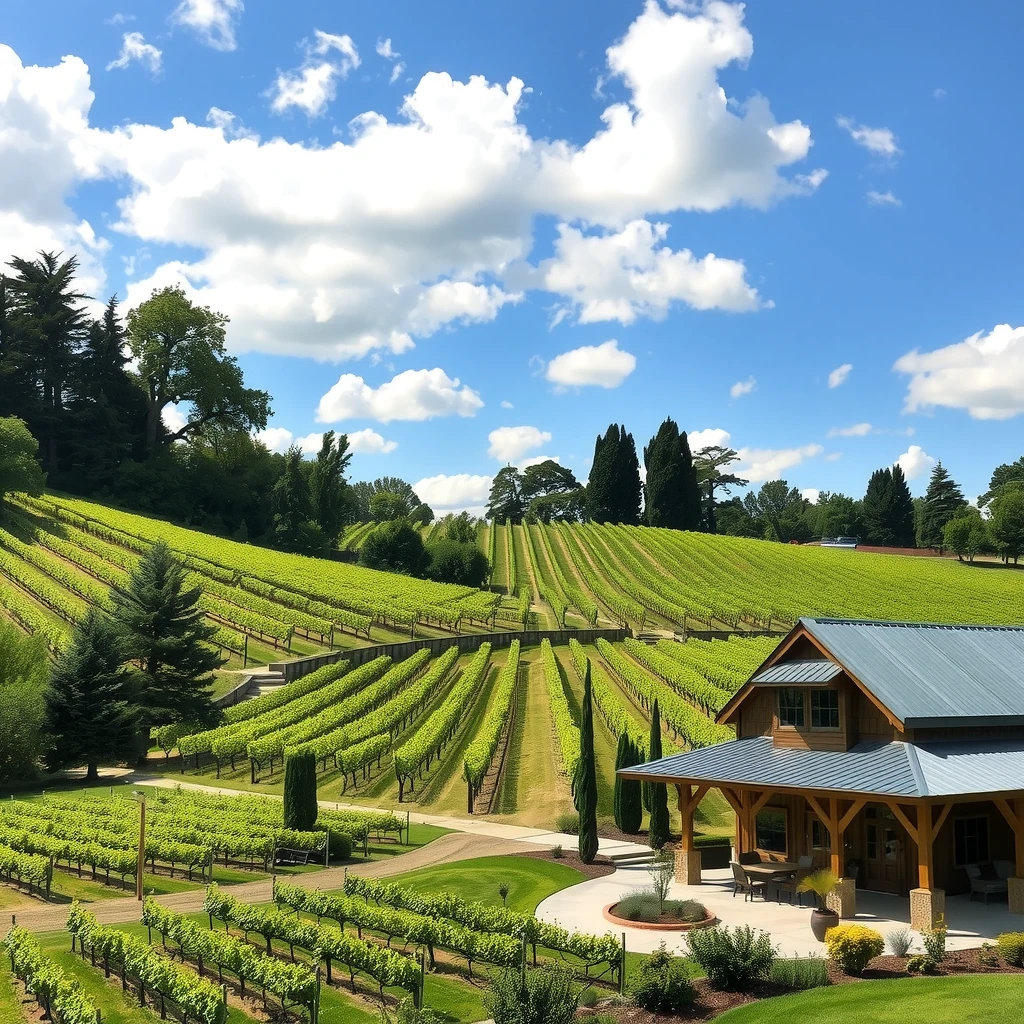
Napa excels in bold Cabernet Sauvignon, which thrives in its warmer climate and volcanic soils. Over 400 wineries focus on premium reds, often with higher price tags for tastings.
Sonoma shines with diversity: Pinot Noir and Chardonnay in cooler areas like Russian River Valley, Zinfandel in Dry Creek, and even sparkling wines. With more than 500 wineries, many remain family-owned and welcoming. Jackson Family Wines, a major player founded in 1982 and known for brands like Kendall-Jackson, stands out for its sustainable practices and vast coastal vineyard holdings. Jackson Family Wines vs other wine brands highlights its focus on quality and innovation, controlling prime land across California while many competitors rely on purchased grapes.
| Aspect | Napa Valley | Sonoma County |
|---|---|---|
| Signature Grapes | Cabernet Sauvignon, Merlot | Pinot Noir, Chardonnay, Zinfandel |
| Number of Wineries | ~400 | ~500 |
| Tasting Fees | Often $50+ | $20–$40, many complimentary options |
| Visitor Numbers | 3.7 million (2023) | Part of 7+ million in county |
| Best For | Luxury and bold reds | Variety and relaxed exploration |
I remember my first trip to Napa—sipping a velvety Cabernet at a hilltop estate, overlooking endless vines. It felt exclusive and memorable. In Sonoma, biking through Dry Creek Valley and stopping at small wineries for casual chats with winemakers gave me a genuine connection to the land.
Activities Beyond Wine
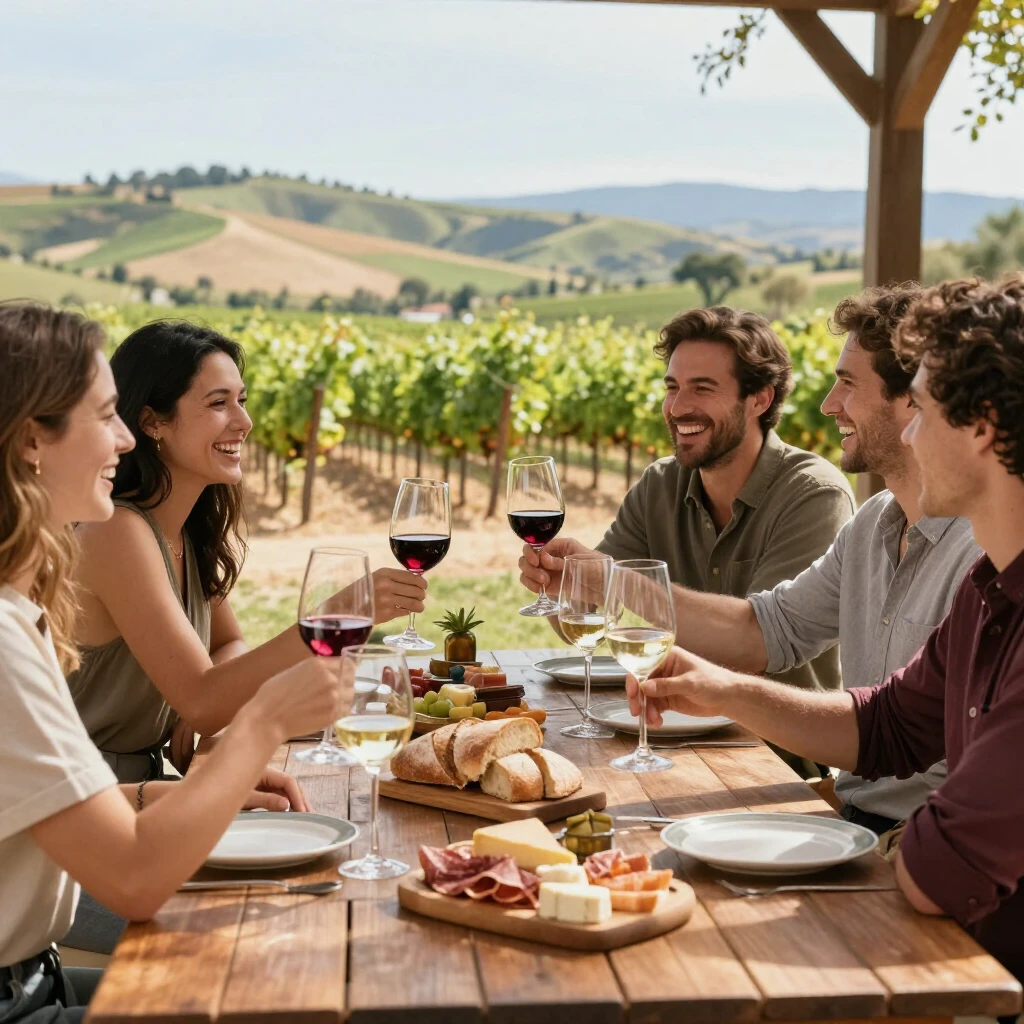
Napa offers hot air balloon rides, gourmet food pairings, and spa treatments. The Napa Valley Wine Train provides a scenic, vintage rail experience.
Sonoma adds outdoor adventures: hiking in redwood parks, kayaking on the Russian River, or beach time along the coast. Farm-to-table dining thrives here, with cheese trails and olive oil tastings.
Both regions host festivals, but Sonoma's variety makes it ideal for families or active travelers.
Accommodations and Dining
Napa boasts luxury resorts like Auberge du Soleil and world-class restaurants, including three-Michelin-star The French Laundry.
Sonoma provides charming inns, boutique hotels, and farm stays at more accessible prices. Healdsburg offers vibrant dining scenes with local ingredients.
Practical Tips for Your Visit
- Best Time to Go: Fall for harvest, spring for fewer crowds.
- Getting Around: Hire a driver or join tours—don't drink and drive.
- Budget: Napa tends to be pricier; Sonoma offers better value.
- Sustainability: Look for wineries like those under Jackson Family Wines, committed to eco-friendly farming.
For history buffs, explore the University of California Davis's resources on California's viticultural heritage, tracing roots to Spanish missions.
Final Thoughts
Choose Napa if you want polished luxury and iconic Cabernets. Pick Sonoma for diversity, relaxation, and adventure. Many visitors split time between both—they're just an hour apart. Whichever you select, California's wine country delivers unforgettable experiences rooted in rich heritage.