Sustainable Winemaking in California
California produces some of the world's best wines while leading the charge in protecting the environment. Sustainable winemaking in California combines smart farming, water conservation, and community care to create great wines that last for generations.
Why Sustainable Winemaking Matters in California
California grows over 80% of America's wine grapes. With climate challenges like droughts and wildfires, winemakers focus on sustainability. They protect the land that gives us those amazing wines.
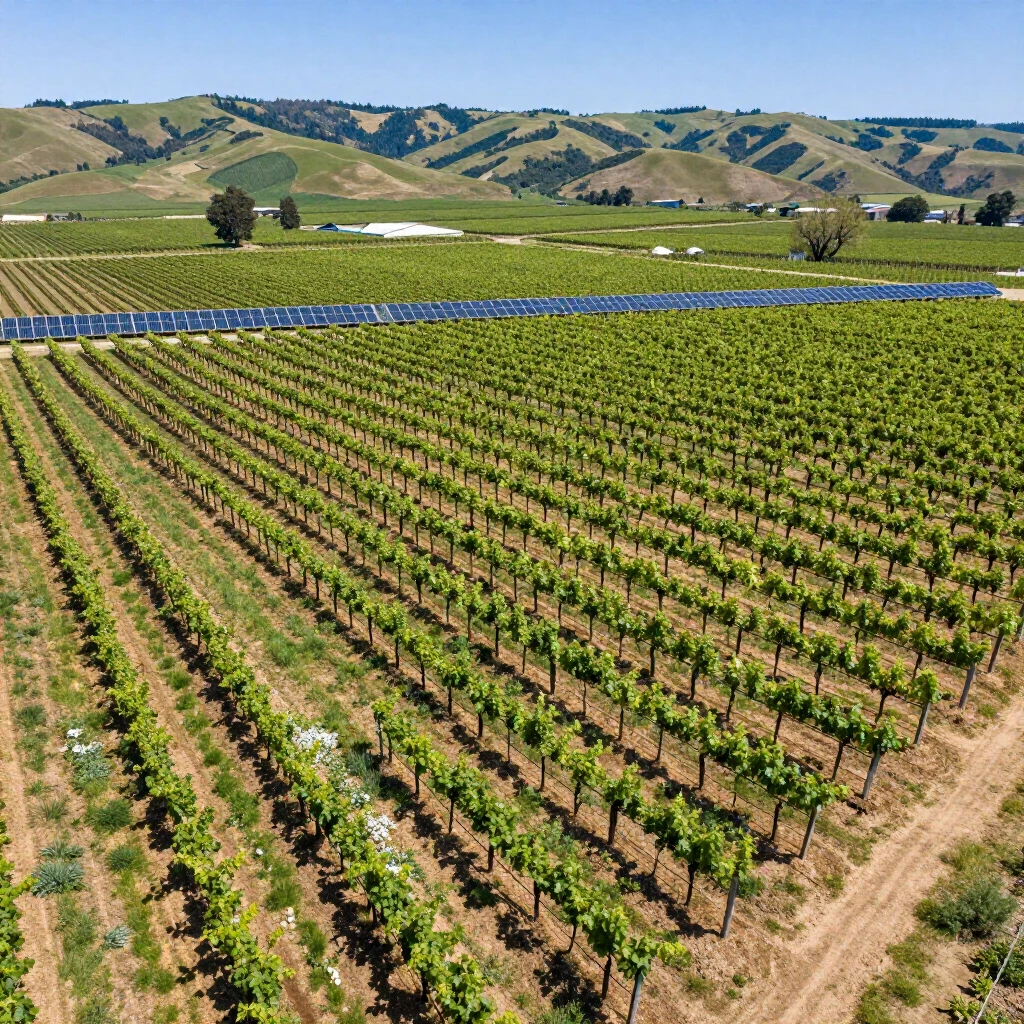
Over 80% of California wine comes from certified sustainable wineries. Growers use practices that save water, build healthy soil, and support wildlife. This effort started decades ago and keeps growing stronger.
Key practices include: - Planting cover crops to prevent soil erosion and add nutrients - Using drip irrigation to save water - Installing solar panels for clean energy - Encouraging natural predators for pest control - Composting winery waste
These steps help fight climate change. For example, healthy soils store more carbon. Learn more about these efforts from the California Sustainable Winegrowing Alliance's milestones report.
The History of Beringer: From Humble Beginnings to Wine Icon
Beringer stands as California's oldest continuously operating winery. Brothers Jacob and Frederick Beringer founded it in 1876 in St. Helena, Napa Valley.
Jacob came from Germany seeking land like his homeland's vineyards. He bought property and started building. Even during Prohibition, Beringer stayed open by making sacramental wines.

Today, Beringer remains an icon. It blends rich history with modern innovation. The estate features hand-dug caves from the 1870s and the beautiful Rhine House built in 1884.
Sustainable Winemaking: How Beringer Leads the Way
Beringer commits fully to sustainability. All its owned and leased vineyards hold third-party certifications, like Napa Green and Certified California Sustainable Winegrowing.
They restore local rivers, compost waste, and use renewable energy. Beringer encourages partner growers to adopt these practices too. This leadership earned them awards for environmental and social responsibility.
In Napa Valley, programs like Napa Green drive comprehensive sustainability from soil to bottle. Beringer participates actively, showing how large wineries can make big positive impacts.
Personal insight: Visiting Beringer feels special. You walk through history while seeing modern eco-friendly touches, like efficient water systems in the vineyards.
Beringer Wine Tasting Notes
Beringer offers wines for every taste. Their Private Reserve Cabernet Sauvignon delivers bold blackberry and cassis flavors with smooth tannins – a Napa classic.
The Knights Valley Cabernet shows earthy notes with dark fruit. For whites, their Chardonnay brings crisp apple and vanilla from careful oak aging.
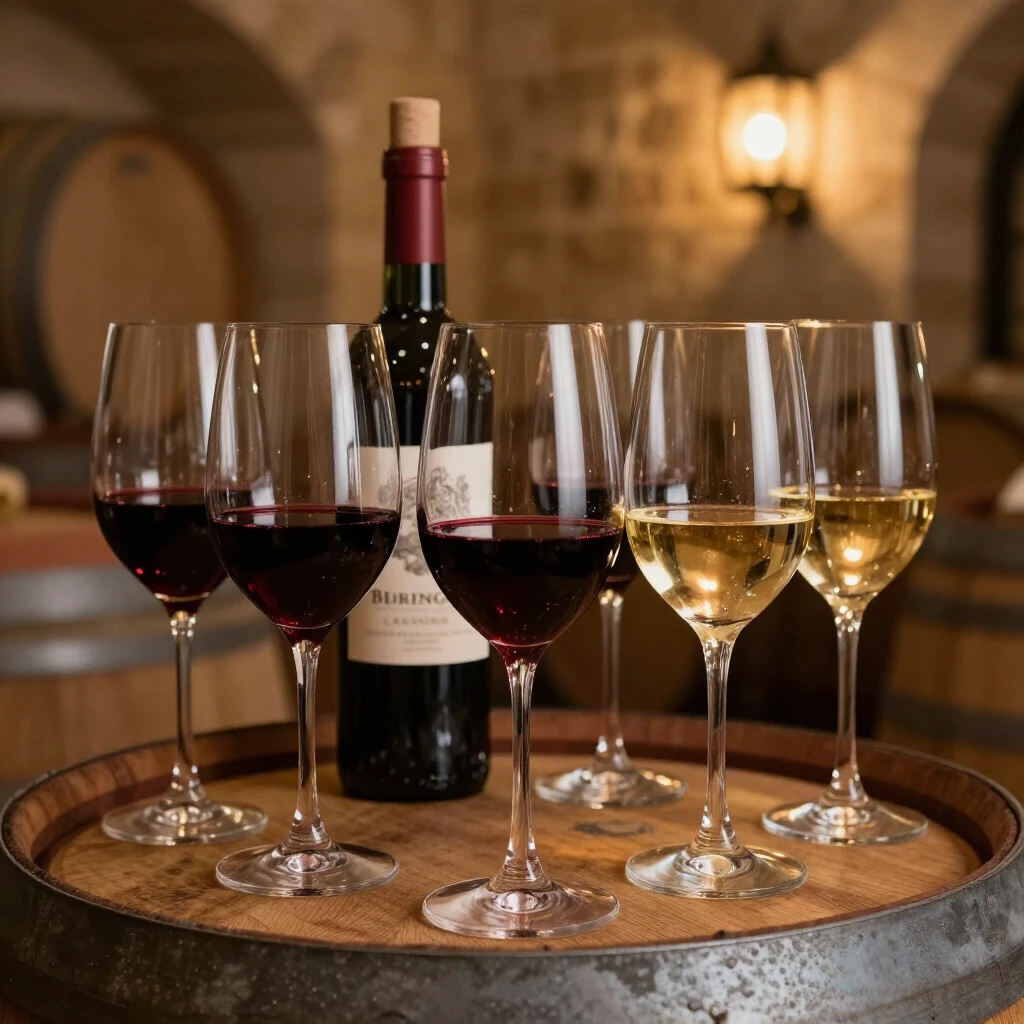
Tasting notes often highlight balance and elegance. Many Beringer wines score 90+ points, proving sustainability pairs perfectly with quality.
Actionable tip: Look for the Certified Sustainable logo on bottles. It guarantees responsible practices. Visit wineries like Beringer for tours that explain these efforts firsthand.
California's wine industry shows we can enjoy great wines while caring for the planet. Leaders like Beringer prove tradition and innovation go hand in hand.
Sustainable winemaking in California protects our future. Next time you pour a glass, think about the care behind it. Cheers to responsible enjoyment!
Sources: Information drawn from the Wine Institute's sustainability overview (wineinstitute.org), Discover California Wines sustainability page (discovercaliforniawines.com), and Beringer's official sustainability focus.