Sustainability at Jackson Family Wines: Rooted for Good
Overview
Jackson Family Wines stands out in the wine world for its deep commitment to sustainability. Their Rooted for Good program, launched in 2021, sets bold goals to protect the planet and support communities while crafting exceptional wines.
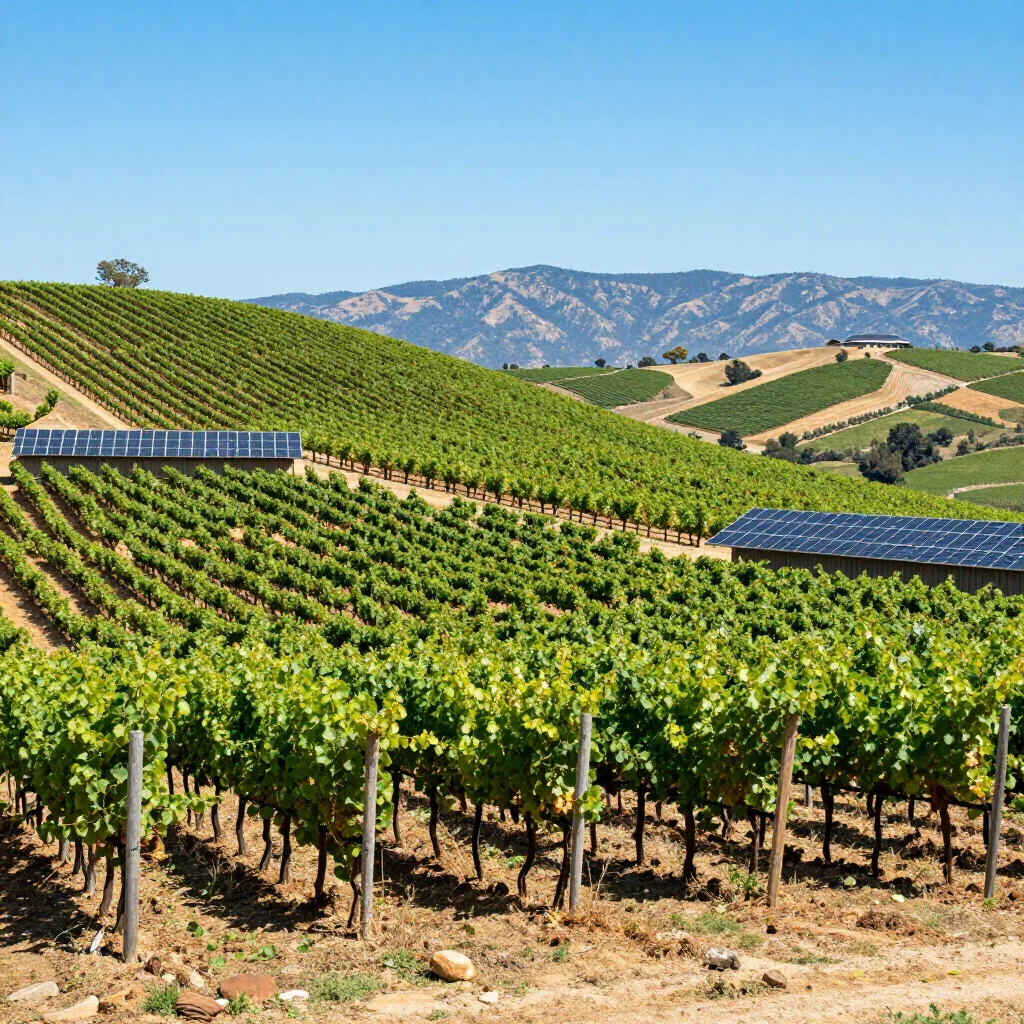
Jackson Family Wines has always put the land first. Founder Jess Jackson believed great wine starts with healthy soil and vines. This mindset shapes everything they do today.
The Story Behind Jackson Family Wines: A Legacy of Quality
The journey began in 1974 when Jess Jackson bought an orchard in Northern California and planted Chardonnay grapes. By 1982, he launched Kendall-Jackson, focusing on premium yet accessible wines.
Over the years, the family grew their portfolio to over 40 wine brands, including La Crema, Freemark Abbey, Stonestreet, and Vérité. They source grapes from top regions in California, Oregon, France, Italy, Australia, Chile, and South Africa.
Today, the company remains family-owned, led by Barbara Banke and the next generation. Their wines reflect a passion for quality and respect for the earth.
Sustainability runs deep at Jackson Family Wines. They started certifying vineyards and wineries in the mid-2000s, long before it became common.

Rooted for Good: A Bold Roadmap to 2030
In 2021, Jackson Family Wines unveiled Rooted for Good, a 10-year plan to tackle climate change and build resilience.
Key goals include: - Cutting carbon emissions in half by 2030 - Becoming climate positive by 2050 (removing more carbon than emitted, without offsets) - Transitioning 100% of estate vineyards to regenerative farming by 2030 - Using smart water practices to conserve and recharge aquifers - Fostering diversity, equity, and inclusion in the workplace and communities
These targets go beyond reducing harm—they aim to create positive change.
Climate Action in Practice
Jackson Family Wines powers over 30% of operations with on-site renewables, like solar arrays and wind turbines. They've installed more solar than any other U.S. winery.
Since 2015, they've cut greenhouse gas emissions by 17.5%. Lightweight bottles and efficient processes help too.
They co-founded International Wineries for Climate Action (IWCA) to share best practices across the industry.
Regenerative Farming for Healthier Vineyards
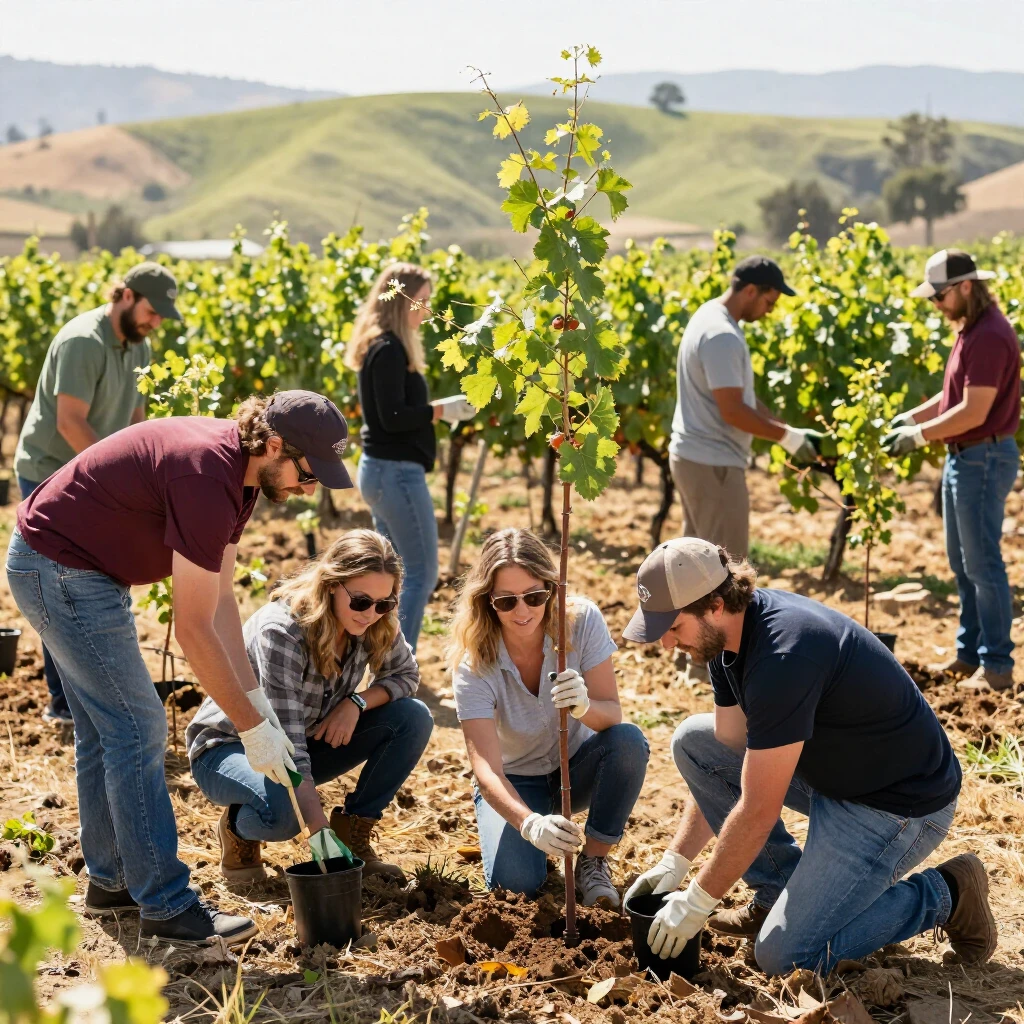
Regenerative agriculture rebuilds soil, boosts biodiversity, and stores carbon.
Practices include: - Planting cover crops to prevent erosion and nourish soil - Using sheep for natural mowing - Preserving habitats for wildlife
By 2030, all estate vineyards will use these methods. This not only helps the planet but grows better grapes for richer wines.
Smart Water Management
Water is precious in wine country. They've reduced winery water use by 43% since 2008 through recycling and efficient barrel washing.
In vineyards, they monitor soil moisture precisely and restore wetlands to protect fish habitats.
People and Communities
Rooted for Good puts people first. They promote wellness, diversity, and community support.
Katie Jackson, second-generation proprietor, leads corporate social responsibility. Her work earned recognition as a game changer in sustainability.
The results speak for themselves. Sustainability efforts have saved over $26 million, with a positive return on investment. As one report notes, they've achieved real financial gains while doing good.
How Sustainability Enhances Wine Quality
Healthy soils and vines produce better fruit. Jackson Family Wines tasting notes often highlight vibrant flavors from sustainable sites—think crisp acids in Chardonnay or deep fruit in Cabernet.
Many of their wine brands, like Kendall-Jackson Vintner's Reserve, carry certifications proving their commitment.
You can support these efforts by choosing their wines. Look for bottles from certified sustainable vineyards.
Why It Matters
In a changing climate, actions like these ensure wine for future generations. Jackson Family Wines leads by example, inspiring others.
Final Thoughts
Sustainability at Jackson Family Wines: Rooted for Good shows how business can drive positive change. Their legacy of quality now includes a promise to protect the planet and people.
Next time you enjoy a glass, consider the care behind it—from regenerative soils to renewable energy.