Understanding Wine Labels: A Beginner's Guide
Wine labels can seem mysterious at first glance, but they hold valuable clues about what's inside the bottle. This guide breaks it all down simply, helping you pick wines with confidence. Whether you're shopping for everyday sipping or special occasions, understanding wine labels opens up a world of better choices.
Why Wine Labels Matter
I remember my first trip to a wine shop. Rows of bottles stared back at me, each with fancy words and pictures. I grabbed one based on the pretty label and ended up with something too sweet for my taste. That experience taught me labels are more than decoration—they tell the story of the wine.
Labels help you know the grape variety, where the wine comes from, the year it was made, and even how strong it is. Mastering them turns guessing into informed decisions.
Old World vs. New World Labels
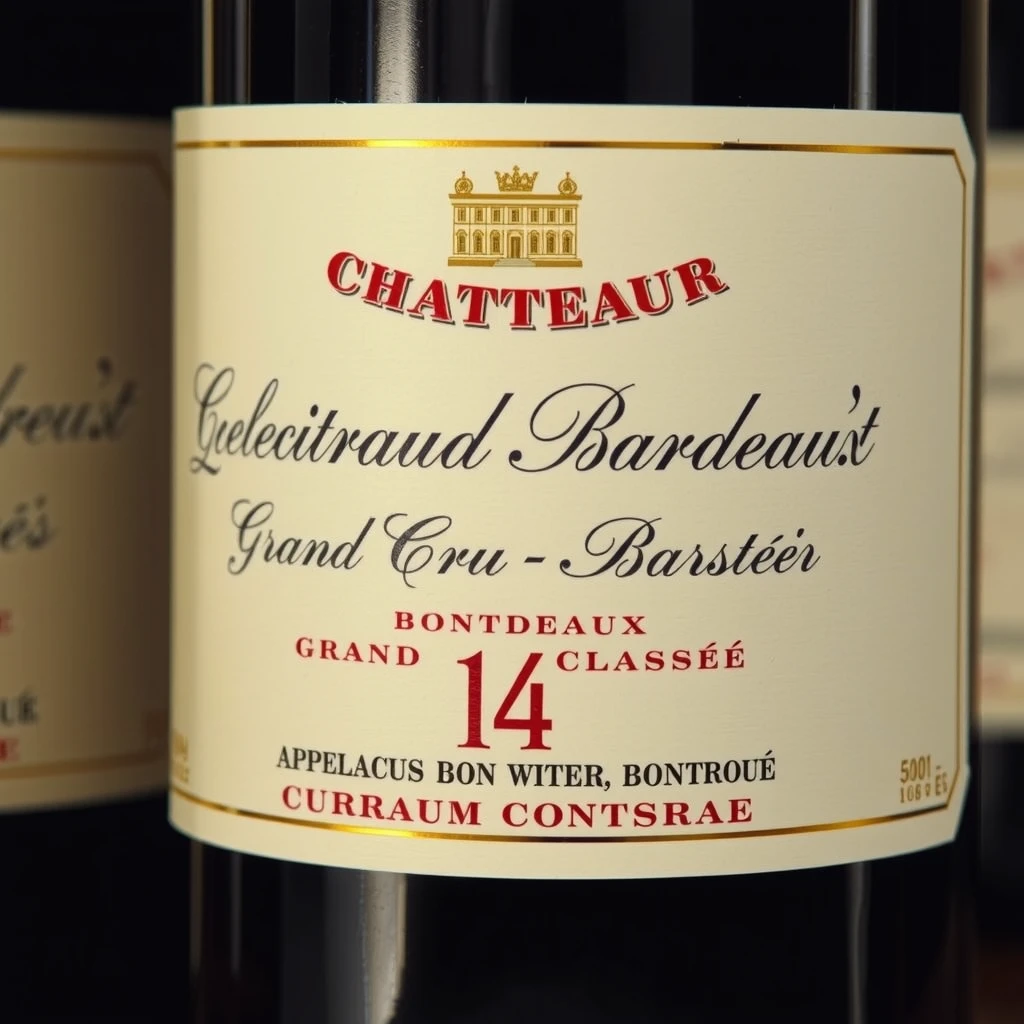
Wines come from two main styles: Old World (mostly Europe) and New World (like the US, Australia, and Chile). Their labels look and read differently.
Old World labels focus on the region. For example, a French wine might say "Bordeaux" or "Burgundy." The grape isn't always listed because strict rules tie specific grapes to each area. This tradition emphasizes the place and its history.
According to Wine Folly's detailed explanation of French wine labels and terms, France uses the Appellation d’Origine Protégée (AOP) system to guarantee origin and quality standards.
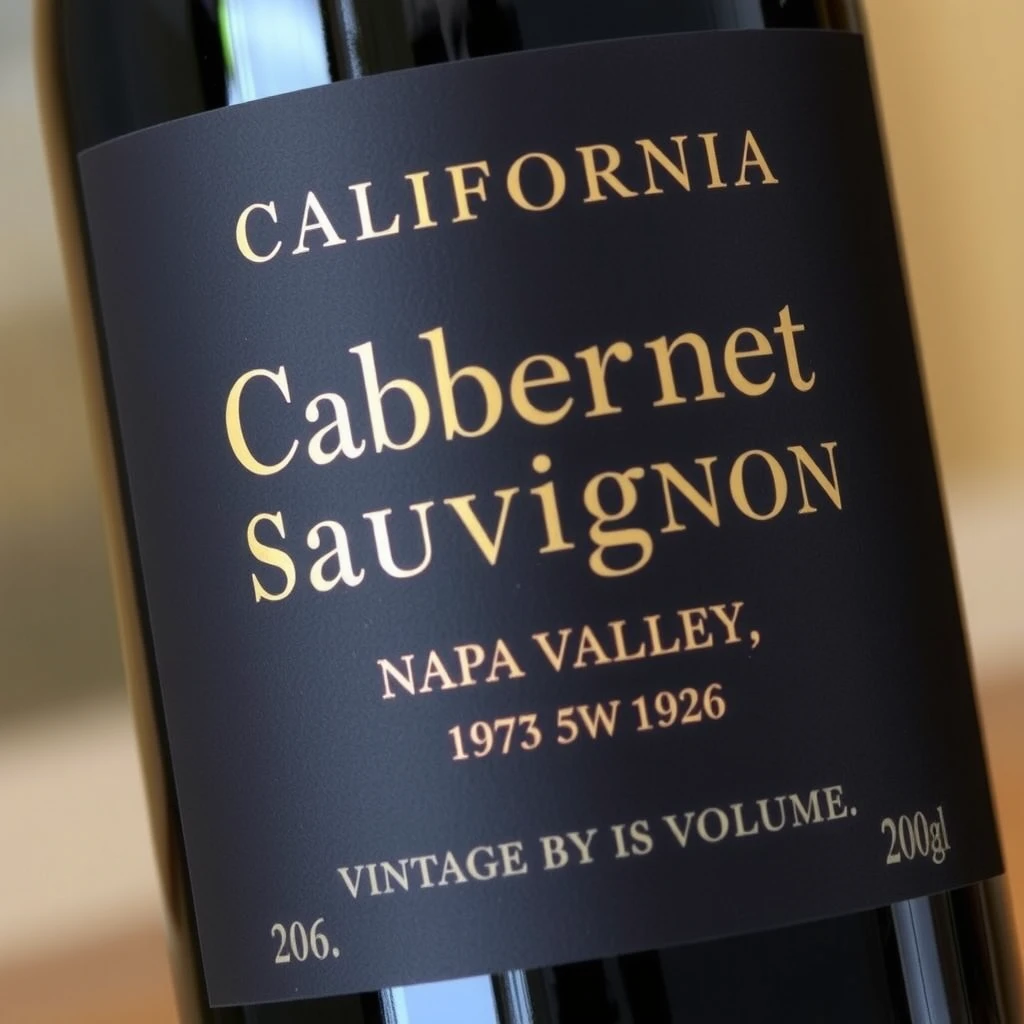
New World labels are more straightforward. They often highlight the grape variety, like "Cabernet Sauvignon" or "Chardonnay," right up front. The region, called an American Viticultural Area (AVA) in the US, is also noted.
The Alcohol and Tobacco Tax and Trade Bureau (TTB) explains that for a US wine to use an AVA on its label, at least 85% of the grapes must come from that area.
Key Elements on Any Wine Label
Most labels share common features. Here's what to look for:
-
Producer or Brand Name: The winery or company that made the wine. Big names like those from Jackson Family Wines often signal consistent quality.
-
Region or Appellation: Tells where the grapes grew. In Europe, it's the main focus. In the US, look for AVA like "Napa Valley" or "Sonoma Coast."
-
Grape Variety: Common on New World wines. If it's not listed, research the region to learn the typical grapes.
-
Vintage Year: The year the grapes were harvested. Non-vintage means blended from multiple years for consistency.
-
Alcohol by Volume (ABV): Usually 12-15%. Higher ABV often means fuller-bodied wine.
-
Other Terms: Words like "Reserve" might indicate special selection, but rules vary by country.
Here's a quick comparison table:
| Element | Old World Example (France) | New World Example (California) |
|----------------------|----------------------------|--------------------------------|
| Main Focus | Region (e.g., Bordeaux) | Grape (e.g., Cabernet Sauvignon) |
| Grape Listed? | Rarely | Usually |
| Quality Indicators | AOP, Grand Cru | AVA, Reserve |
| Minimum Grape % for Variety | Varies, often 100% | 75% |
Decoding Specific Labels
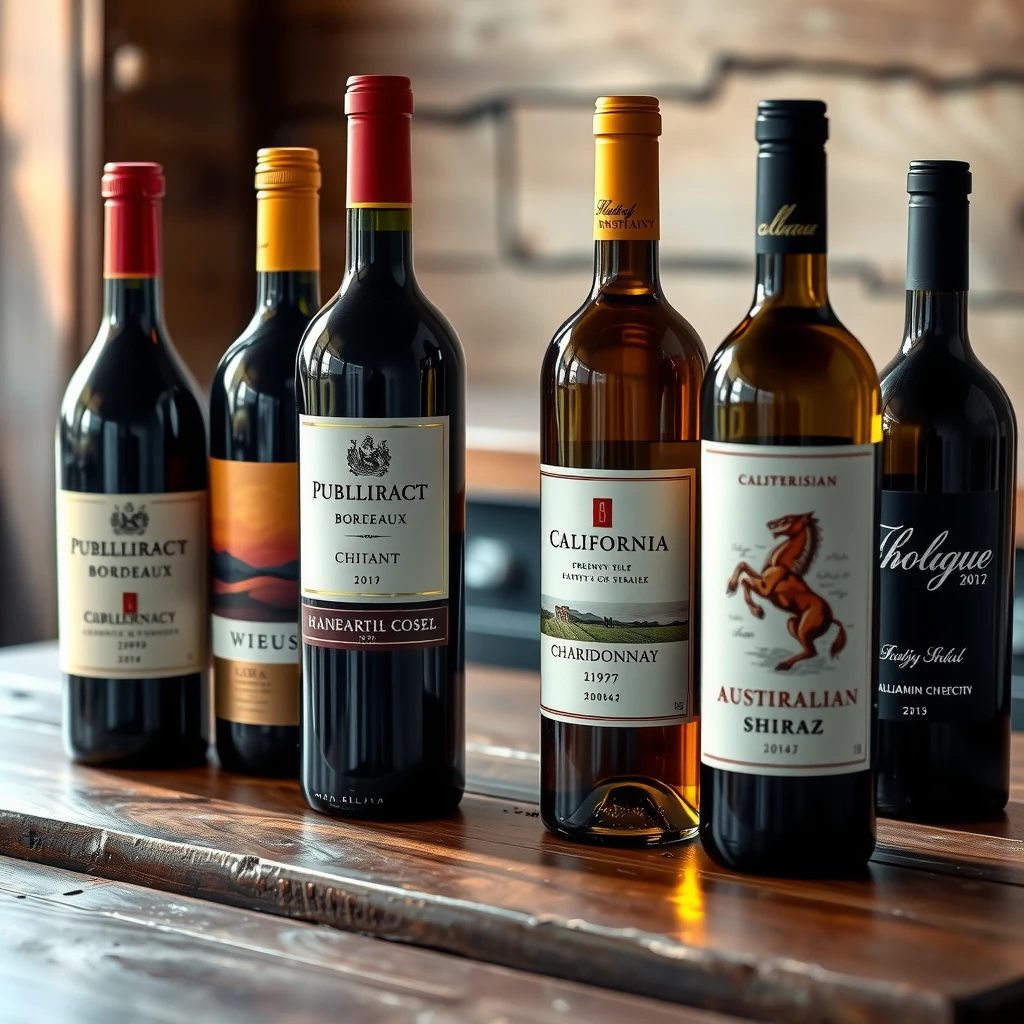
Let's practice with examples.
A French label saying "Châteauneuf-du-Pape" means a red blend mostly from Grenache, from that southern Rhône area. No grapes listed—you learn that from the region.
An American label with "Kendall-Jackson Vintner's Reserve Chardonnay, Sonoma County" tells you it's mostly Chardonnay from Sonoma, made by a trusted brand under Jackson Family Wines.
Jackson Family Wines owns many respected wine brands, from coastal California gems to international estates. Exploring their portfolio through the Jackson Family Wines online store is a great way to apply what you've learned.
Tips for Beginners
Start simple: Pick wines labeled by grape if you're new. Try a few Chardonnays or Pinot Noirs to see preferences.
Use apps or sites for quick lookups. Scan a label and learn instantly.
Don't fear mistakes. Tasting builds intuition faster than reading.
Once comfortable with labels, explore pairings. Check out resources like A Guide to Wine Pairing with Jackson Family Wines for ideas that match their diverse offerings.
Wrapping It Up
Understanding wine labels turns overwhelming shelves into exciting options. Focus on region, grape, vintage, and producer—you'll choose better bottles every time.
Next time you shop, grab a few from different styles. Compare an Old World regional wine with a New World varietal. You'll taste the differences and feel like an expert in no time.
Happy exploring!