Exploring Beringer Wines: A Deep Dive
Overview
Exploring Beringer Wines: A Deep Dive reveals the story of Napa Valley's oldest winery. From its 1876 founding to modern innovations, learn about premium wines, aging methods, and collection tips in this comprehensive guide (about 40 words).
The Rich History of Beringer Wines
Beringer stands as a cornerstone of American winemaking. Founded in 1876 by German brothers Jacob and Frederick Beringer, the winery sits in St. Helena, Napa Valley. Jacob, inspired by his homeland's vineyards, saw potential in California's fertile soil. He and Frederick bought land and built a stone gravity-flow winery, complete with hand-dug aging tunnels for temperature control.
These tunnels, carved by Chinese laborers, helped maintain steady conditions for wine maturation. Beringer's early success came from crafting wines that rivaled European ones. By the 1880s, they produced quality Cabernet Sauvignon and other varietals.
Prohibition hit hard in 1920, but Beringer survived. They made sacramental wines for churches and shipped grapes to home winemakers. This smart move kept the vines alive and the business going. When Prohibition ended in 1933, Beringer reopened to the public, offering the first tours in Napa Valley. They even promoted the area at events like the Golden Gate Exposition.
Over the years, ownership changed—Nestlé bought it in 1971—but the focus on quality stayed. Today, with over 150 years of operation, Beringer holds the title of California's oldest continuously running winery. They've had just 10 winemakers in that time, each building on the last's legacy.
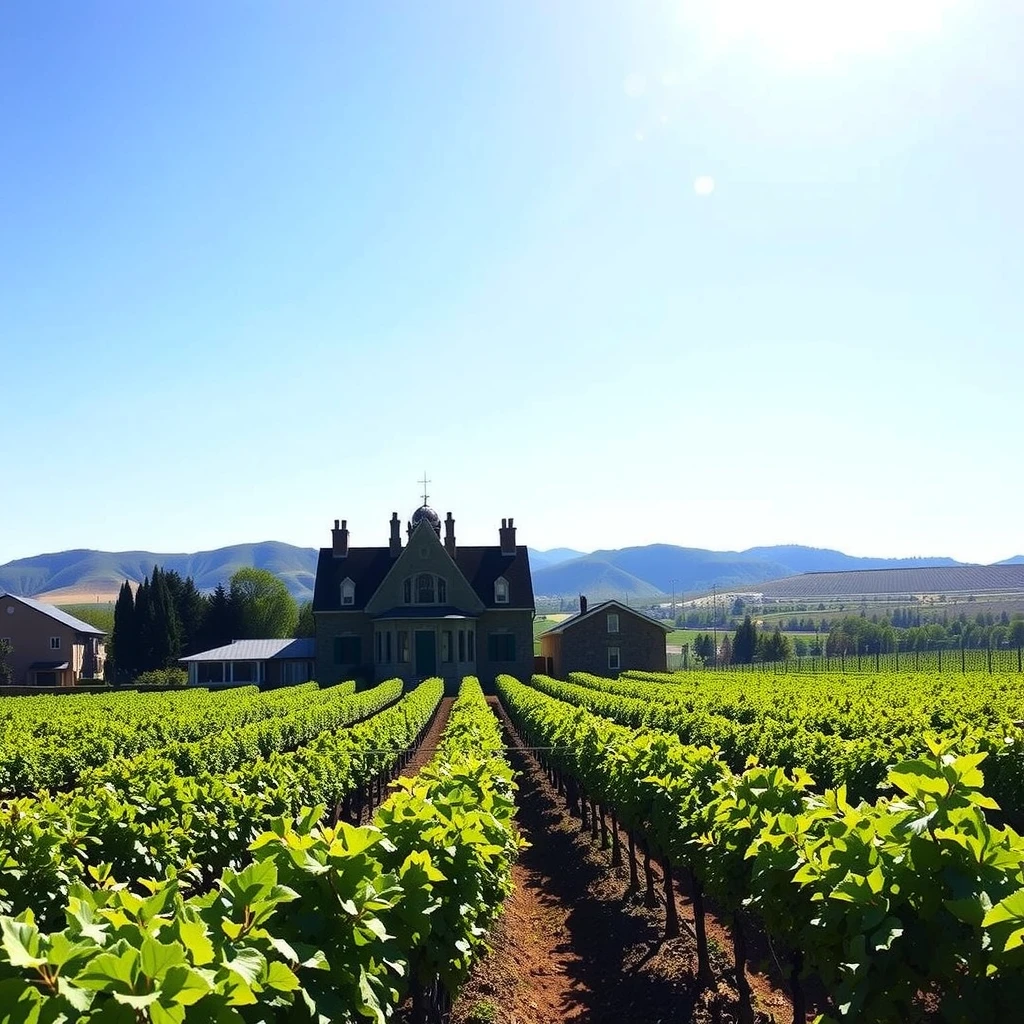
Personal insight: Visiting Beringer feels like stepping back in time. The Rhine House, built in 1884, echoes Frederick's German roots with its grand architecture. It's not just a winery; it's a living history lesson.
Beringer Wine Production Process
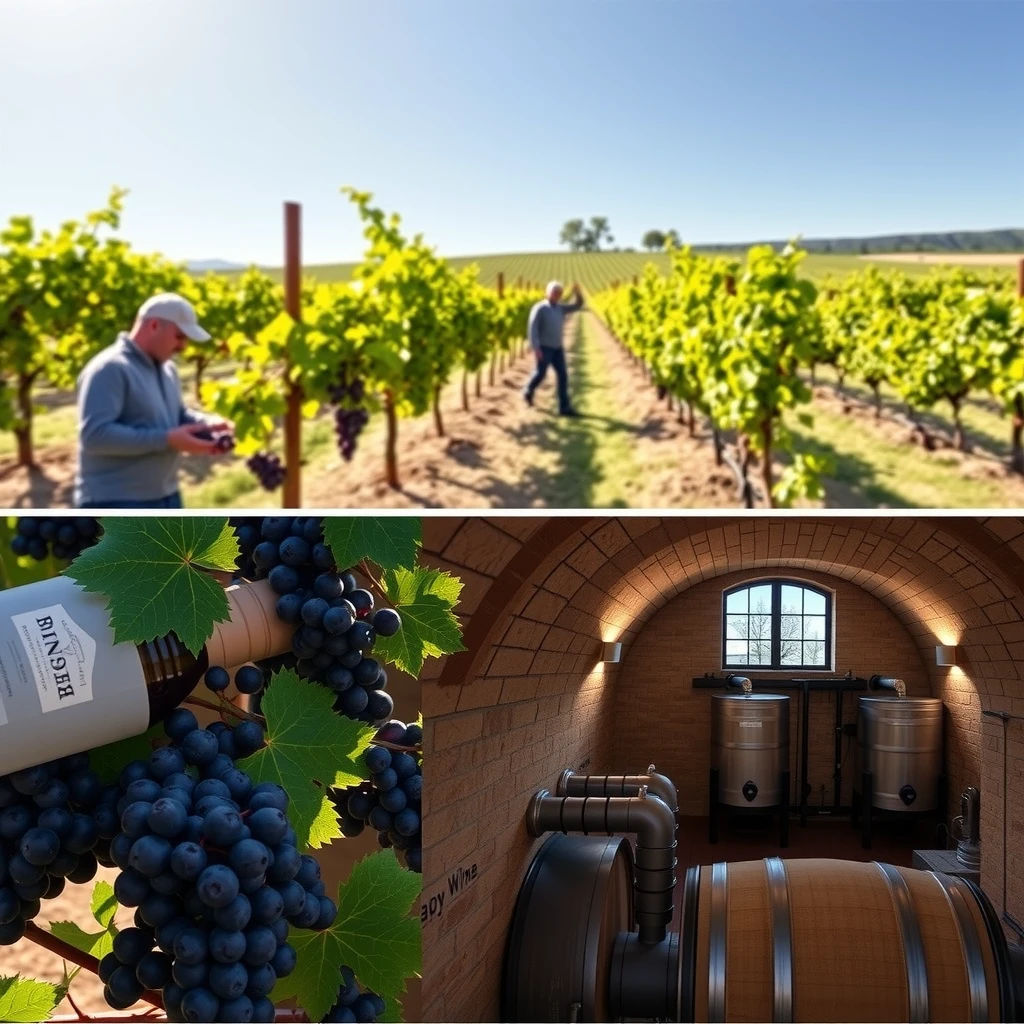
Let's dive into the Beringer wine production process. It starts in the vineyards, where teams hand-pick grapes at peak ripeness. This careful selection ensures only the best fruit makes it to the winery.
Once harvested, grapes go through sorting to remove leaves or unripe berries. At Beringer's historic stone facility, they use gravity to move the crush gently—no pumps that could bruise the fruit. This method, rooted in the brothers' Rhine Valley traditions, preserves flavors.
Fermentation happens in controlled tanks, where yeast turns sugars into alcohol. Winemakers monitor this closely, tasting daily to guide the process. For reds like Cabernet Sauvignon, skins stay in contact for color and tannins.
After fermentation, wines move to barrels for aging. Beringer uses oak from France and America, each adding unique notes—vanilla from American, spice from French. The aging tunnels provide ideal cool, humid conditions.
Blending comes next. The winemaker, like current one Margo Van Staaveren with over 45 harvests, mixes lots to create balanced wines. Finally, bottling and labeling happen on-site.
Beringer blends tradition with modern tools. They pioneered botrytized late-harvest wines like Nightingale, mimicking noble rot for sweet, complex flavors. As Virginia Tech's enology experts explain, techniques like lees aging add creaminess to whites.
From my view, Beringer's process shows respect for nature. Their Knights Valley Cabernet, from volcanic soils, bursts with dark fruit thanks to this care.
Understanding Different Wine Aging Techniques
Understanding different wine aging techniques unlocks Beringer's magic. Aging lets flavors evolve, turning good wine great.
Bottle aging happens post-bottling. Wines like Beringer's Reserve Cabernet improve over years, tannins softening, aromas deepening. Store them cool and dark for best results.
Barrel aging, key at Beringer, exposes wine to wood. Oxygen seeps in slowly, adding complexity. French oak gives elegance; American, boldness.
Lees aging stirs yeast remnants in the wine, adding body. Beringer uses this for Chardonnays, creating creamy textures.
For more, check Iowa State University's detailed guide on wine aging. It covers reactions that enhance taste over time.
Personal tip: Try Beringer's older vintages. A 10-year-old Cabernet shows how time refines fruit into leather and earth notes.
| Aging Technique | Description | Beringer Example |
|---|---|---|
| Barrel Aging | Wine matures in oak barrels, gaining flavors from wood | Reserve Cabernet Sauvignon |
| Bottle Aging | Post-bottling storage allows slow evolution | Private Reserve wines |
| Lees Aging | Contact with yeast lees adds texture | Luminus Chardonnay |
These methods make Beringer wines age-worthy.
How to Start Your Own Wine Collection
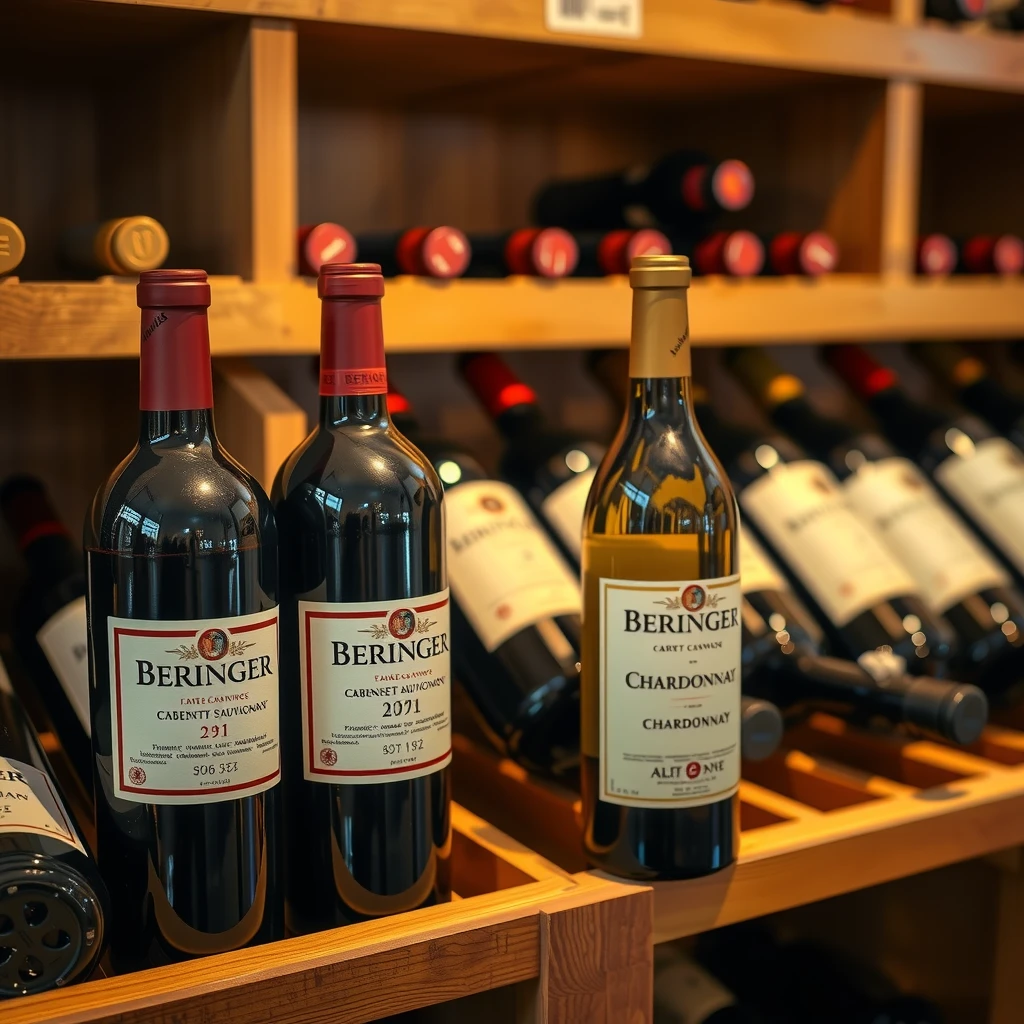
How to start your own wine collection? Begin simple. Focus on what you enjoy, like Beringer's accessible Knights Valley reds.
First, set a budget. Start with $20-50 bottles. Buy a few Beringer Cabernets to learn your taste.
Storage matters. Keep wines at 55°F, away from light. A small cooler works if no cellar.
Build variety: Mix reds, whites, ages. Include Beringer's Nightingale for sweets.
Track with a notebook or app. Note tastes, pair with meals.
As the Institute of Culinary Education advises in their guide to aging wine, proper storage preserves quality.
My experience: I started with one Beringer bottle. Now, my collection includes vintages from their historic plots. It's rewarding to open one after years.
- Choose versatile wines like Cabernet
- Store horizontally to keep corks wet
- Buy from reputable sources
- Join Beringer's wine club for exclusives
- Attend tastings to discover favorites
Personal Insights and Why Beringer Stands Out
Beringer shines in Napa's crowded scene. Their commitment to terroir—soil, climate, slope—creates distinct wines. Knights Valley's volcanic earth gives bold reds; cooler spots yield crisp whites.
Sustainability drives them: Water conservation, solar power. It shows in pure flavors.
Tasting there? Don't miss the cave tour. Feel the history in those tunnels.
Beringer pairs well with food. Their Cabernet with steak, Chardonnay with chicken.
In a world of trends, Beringer stays true. They've innovated—like first public tours—while honoring roots.
From my tastings, Beringer offers value. Entry-level wines impress, reserves wow.
Summary
Exploring Beringer Wines: A Deep Dive shows a winery blending history with innovation. From the Beringer wine production process to understanding different wine aging techniques, they've mastered it. Start your own wine collection with their bottles for a taste of Napa's best. Dive in and discover your favorites.