How Soil Affects Wine Flavor
Have you ever sipped two bottles of the same grape variety and noticed completely different tastes? One might feel crisp and mineral-driven, while another bursts with ripe fruit. Much of that magic comes from the soil where the vines grow. This article dives into how soil affects wine flavor, revealing the hidden power of terroir.
(38 words)
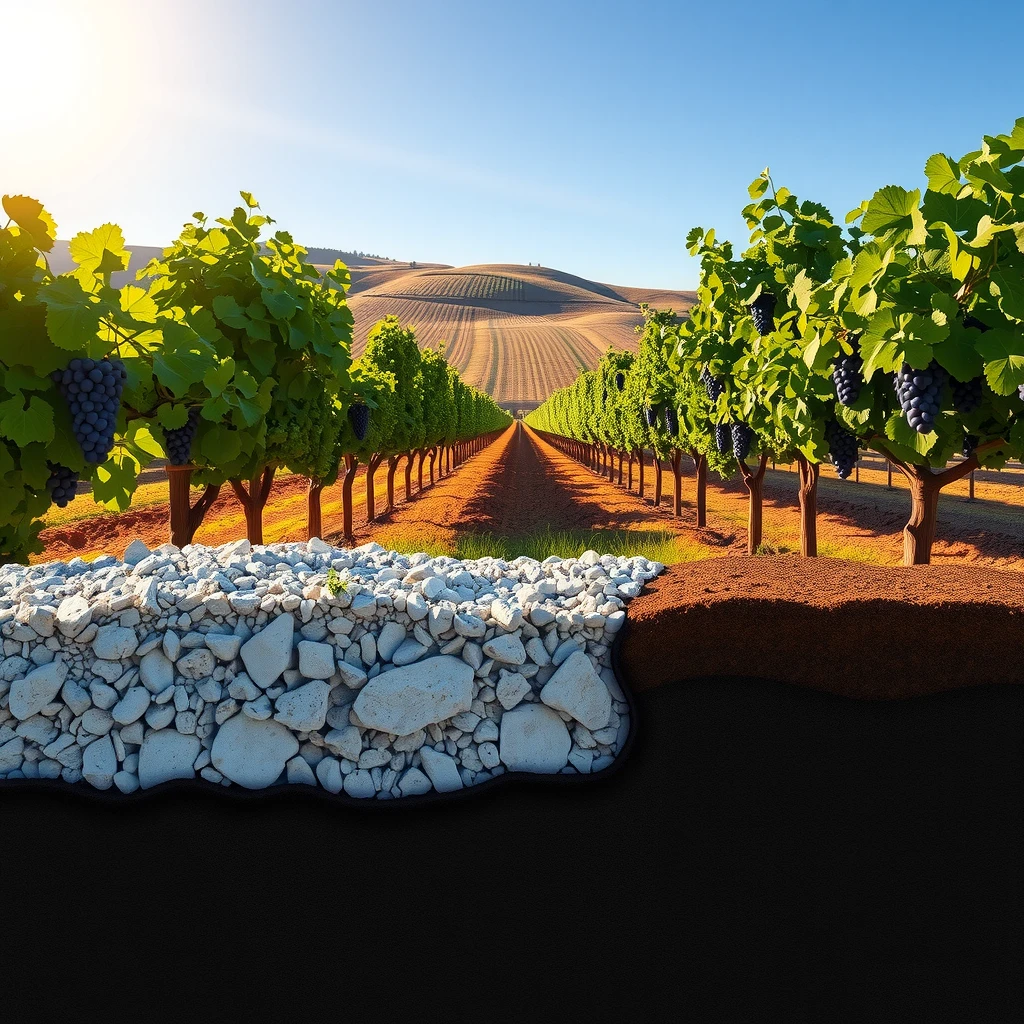
What Is Terroir and Why Does Soil Matter?
Terroir describes the complete natural environment where grapes grow. It includes climate, topography, and—most importantly for this discussion—soil. Soil acts as the foundation that influences how vines access water, nutrients, and warmth.
Great wines often come from challenging soils. Poor, well-drained ground forces vines to work harder, sending roots deep in search of resources. This gentle stress concentrates flavors in the grapes, leading to more complex wines.
Soil shapes wine in four main ways:
- Drainage: Fast-draining soils limit water, stressing vines and intensifying flavors.
- Water retention: Soils that hold moisture support growth in dry areas but can dilute tastes if too heavy.
- Nutrient levels: Low-nutrient soils produce smaller yields with bolder character.
- Heat retention: Some soils warm up quickly and release heat at night, helping grapes ripen evenly.
As Wine Enthusiast explains in their guides to understanding wine terroir, soil does not directly transfer "mineral" tastes to the wine. That flinty or saline note comes from how the soil affects vine physiology, not literal rocks dissolving into the juice.
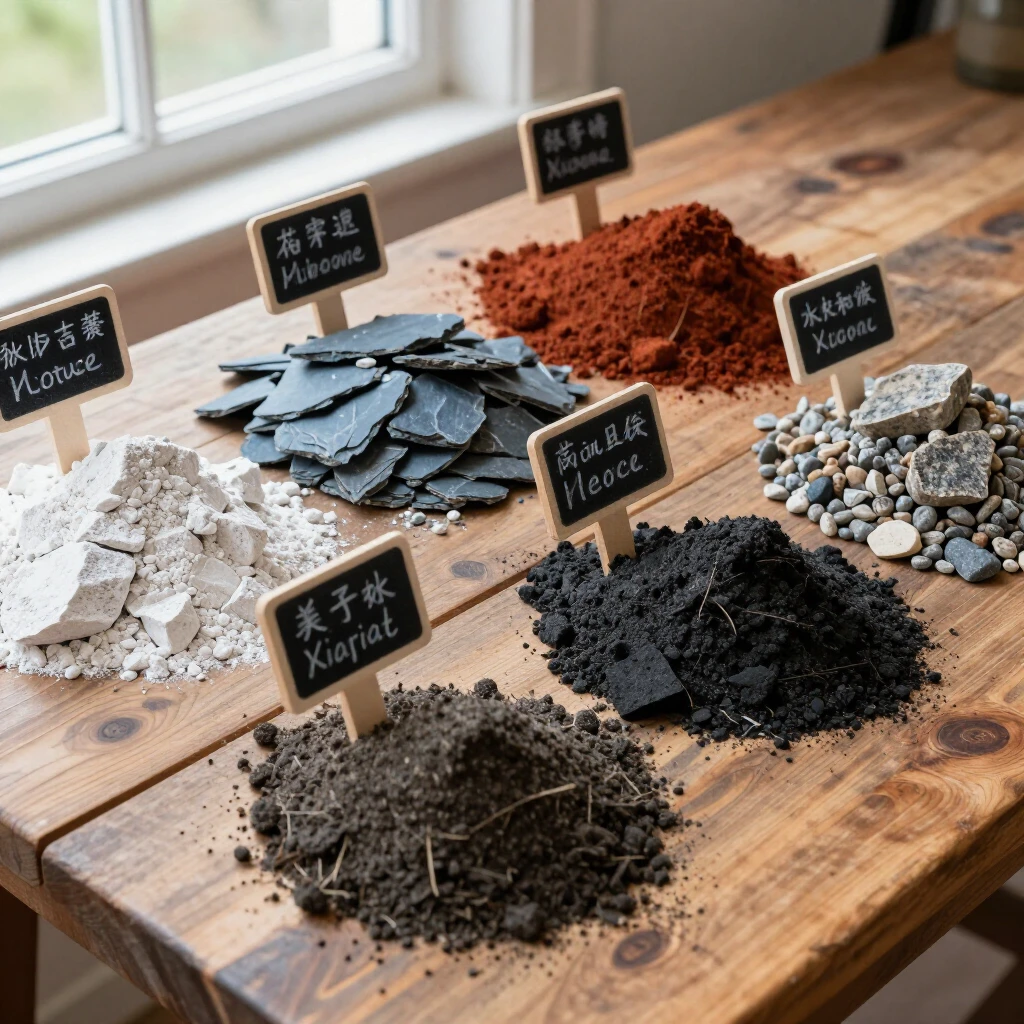
Common Soil Types and Their Impact on Wine
Winemakers around the world praise certain soils for the distinctive profiles they create. Here are the most influential types:
| Soil Type | Key Traits | Best Grapes | Flavor Influence | Famous Regions |
|---|---|---|---|---|
| Limestone | Excellent drainage, high calcium | Chardonnay, Pinot Noir | Crisp acidity, chalky minerality | Burgundy, Champagne |
| Gravel | Fast drainage, warms quickly | Cabernet Sauvignon | Structured tannins, black fruit notes | Bordeaux Left Bank, Graves |
| Clay | Retains water and nutrients | Merlot, Malbec | Plush texture, ripe fruit, softer tannins | Bordeaux Right Bank, Pomerol |
| Slate/Schist | Retains and radiates heat | Riesling, Pinot Noir | Bright acidity, stony minerality | Mosel, Northern Rhône |
| Volcanic | Rich minerals, good drainage | Nerello Mascalese, Assyrtiko | Salty sweetness, vibrant energy | Etna (Sicily), Santorini |
| Alluvial | Fertile, layered silt and sand | Various | Generous fruit, round texture | Napa Valley, Loire Valley |
| Granite | Well-drained, low nutrients | Syrah, Gamay | Floral aromas, fresh acidity | Beaujolais, Northern Rhône |
Real-World Examples of Soil Shaping Wine
Burgundy, France
Burgundy's limestone-rich slopes produce some of the world's most elegant Chardonnays and Pinot Noirs. The calcium-heavy soil keeps acidity high and adds that signature steely minerality you taste in premier cru whites.
Bordeaux, France
Cross the river in Bordeaux and the soils change dramatically. Gravel dominates the Left Bank, perfect for Cabernet Sauvignon that develops firm tannins and cassis notes. On the Right Bank, clay favors Merlot, creating plush, velvety wines.
Mosel Valley, Germany
Steep slate vineyards along the Mosel River absorb daytime heat and release it slowly at night. This helps Riesling retain razor-sharp acidity while achieving full ripeness, resulting in electric, slate-driven wines that age beautifully.
Napa Valley, California
Napa boasts incredible soil diversity—volcanic tuff on the mountains, deep alluvial fans on the valley floor. Wineries like Beringer carefully map their vineyards and tailor the wine production process to each soil type. Mountain Cabernet from rocky volcanic soil shows intense structure, while valley-floor fruit delivers generous, approachable flavors.
Emerging Volcanic Regions
Places like Mount Etna in Sicily and the Canary Islands showcase volcanic soils' unique energy. The high mineral content and excellent drainage produce wines with salty edges and vivid fruit that stand out from mainland styles.
Myths vs. Reality: Does Soil Flavor Directly Transfer?
Many drinkers believe that "mineral" taste comes straight from rocks in the soil. Science shows otherwise. Grapes contain tiny amounts of minerals, nowhere near enough to taste. Instead, soil influences flavor indirectly by affecting root depth, water stress, and ripening speed.
That said, the connection feels real when you taste a Chablis next to an oaked California Chardonnay—the soil's fingerprint shines through.
Personal Insights from Tasting Across Soils
I’ve stood in Burgundy’s chalky vineyards and later tasted the wines beside gravel-grown Bordeaux. The difference hits you immediately. Limestone soils give wines a tense, linear feel, while gravel adds breadth and power.
Volcanic wines excite me most lately. There’s an almost electric vibrancy—an iodine or saline note—that I rarely find elsewhere. Once you start noticing these soil-driven traits, every glass becomes a geography lesson.

Final Thoughts
Soil remains one of the most powerful yet least controllable elements in winemaking. While winemakers can adjust nearly everything in the cellar, they cannot change the ground beneath the vines. That’s why the greatest wines express their origin so clearly.
Next time you enjoy a bottle, pause and consider the soil that shaped it. The role of terroir in wine quality becomes unmistakable once you start looking below the surface.
How soil shapes your favorite wines is a lifelong discovery—every region and vineyard tells its own story through the glass.
(1,518 words total)