Pairing Wine with Food: Simple Tips and Ideas
Pairing wine with food elevates everyday meals into memorable experiences. With a few easy guidelines, anyone can create harmonious matches that bring out the best flavors in both the wine and the dish. (38 words)
Why Pair Wine with Food?
You enjoy food more when the right wine joins it. Wine can highlight subtle flavors, cut through richness, or add a refreshing contrast. I’ve hosted countless dinners, and the moments when guests exclaim, “This tastes amazing together!” make it all worthwhile.
Good pairings don’t require expertise—just a willingness to try. Start with these core principles.
Basic Rules to Get Started
Follow these simple guidelines to build confidence quickly:
- Match intensity: Light dishes deserve light wines; bold foods need bold wines.
- Complement flavors: Choose wines that echo ingredients in the dish (think berry notes with duck).
- Contrast when helpful: Use acidity to cut richness or sweetness to balance spice.
- Red wines love red meat: Tannins in reds soften with protein and fat.
- White wines shine with lighter fare: Their acidity refreshes the palate.
Here’s a quick reference table:
| Wine Type | Best Food Matches | Why It Works |
|---|---|---|
| Cabernet Sauvignon | Grilled steak, lamb, aged cheddar | Tannins soften with fat and protein |
| Chardonnay | Roast chicken, lobster, creamy pasta | Buttery notes match rich textures |
| Pinot Noir | Salmon, mushroom dishes, duck | Earthy elegance complements subtlety |
| Sauvignon Blanc | Goat cheese, seafood, salads | Bright acidity refreshes |
| Rosé | Grilled vegetables, charcuterie, spicy food | Versatility bridges red and white |
Red Wine Pairings: Focus on Cabernet Sauvignon
Cabernet Sauvignon ranks as one of the most popular red wines worldwide. Its bold structure, firm tannins, and dark fruit flavors make it ideal for hearty dishes.
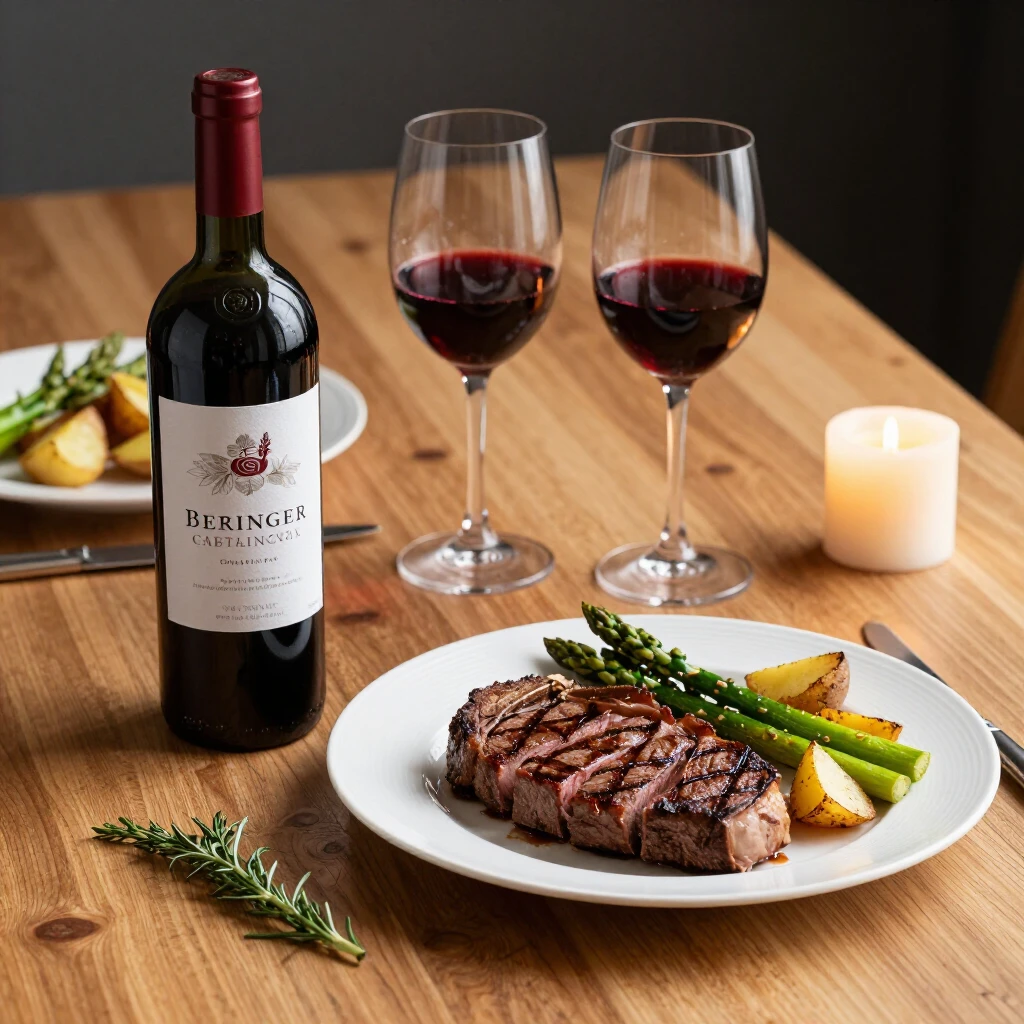
Beringer, one of America’s oldest and most respected wine brands, produces outstanding Cabernet Sauvignons. The Beringer Knights Valley Cabernet Sauvignon offers tasting notes of ripe blackberry, black currant, blueberry, sweet tobacco, vanilla, and oak spice. The Private Reserve version adds layers of dark chocolate and cassis for extra complexity.
Perfect pairings for Beringer Cabernet Sauvignon: - Classic grilled ribeye or filet mignon — the wine’s tannins melt into the meat’s fat. - Lamb chops with rosemary — herbal notes align beautifully. - Aged gouda or sharp cheddar — saltiness balances fruit. - Mushroom risotto or portobello burgers — earthy flavors echo the wine’s depth. - Dark chocolate desserts (70%+ cacao) — for a decadent finish.
I once served Beringer Knights Valley Cabernet with slow-roasted prime rib at a holiday dinner. The combination drew rave reviews—the wine’s structure stood up to the rich beef while its fruit notes kept every bite fresh.
White Wine Pairings: Spotlight on Chardonnay
Chardonnay adapts to many styles, from crisp and unoaked to rich and buttery. It serves as a crowd-pleasing white that pairs easily.
Beringer makes excellent Chardonnays that balance fruit and oak. Their Private Reserve Chardonnay delivers tasting notes of ripe pear, apple, citrus zest, vanilla cream, and toasted oak—full-bodied yet elegant.
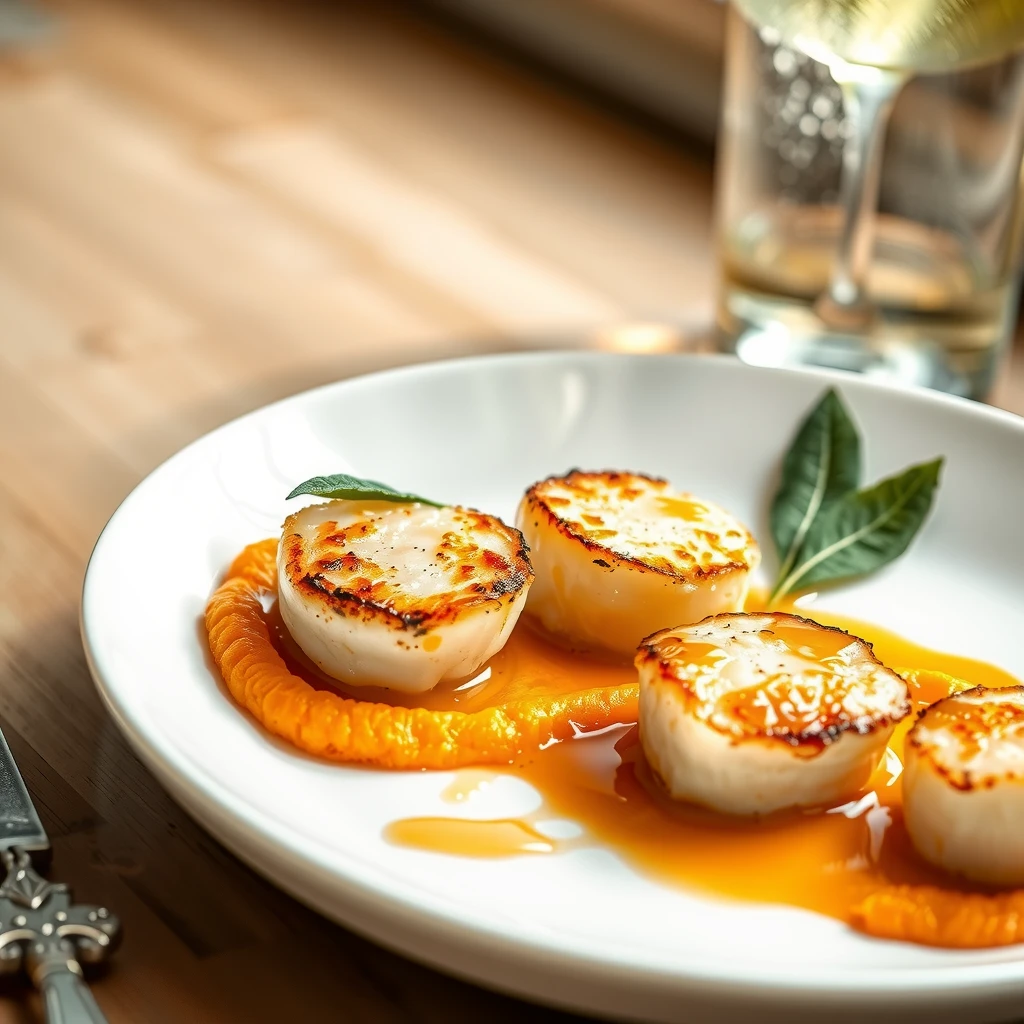
Great matches for Beringer Chardonnay: - Roast chicken with herbs → creamy texture complements the bird’s juiciness. - Seared scallops or lobster in butter sauce → richness meets richness. - Creamy pasta dishes like fettuccine Alfredo → oak notes enhance the sauce. - Soft cheeses such as brie or camembert → textures meld perfectly. - Grilled salmon with lemon → acidity cuts through the fish’s oil.
A favorite memory: pairing Beringer Chardonnay with Thanksgiving turkey and all the trimmings. The wine’s subtle sweetness and acidity tied the meal together beautifully.
Versatile Options: Rosé, Sparkling, and Sweet Wines
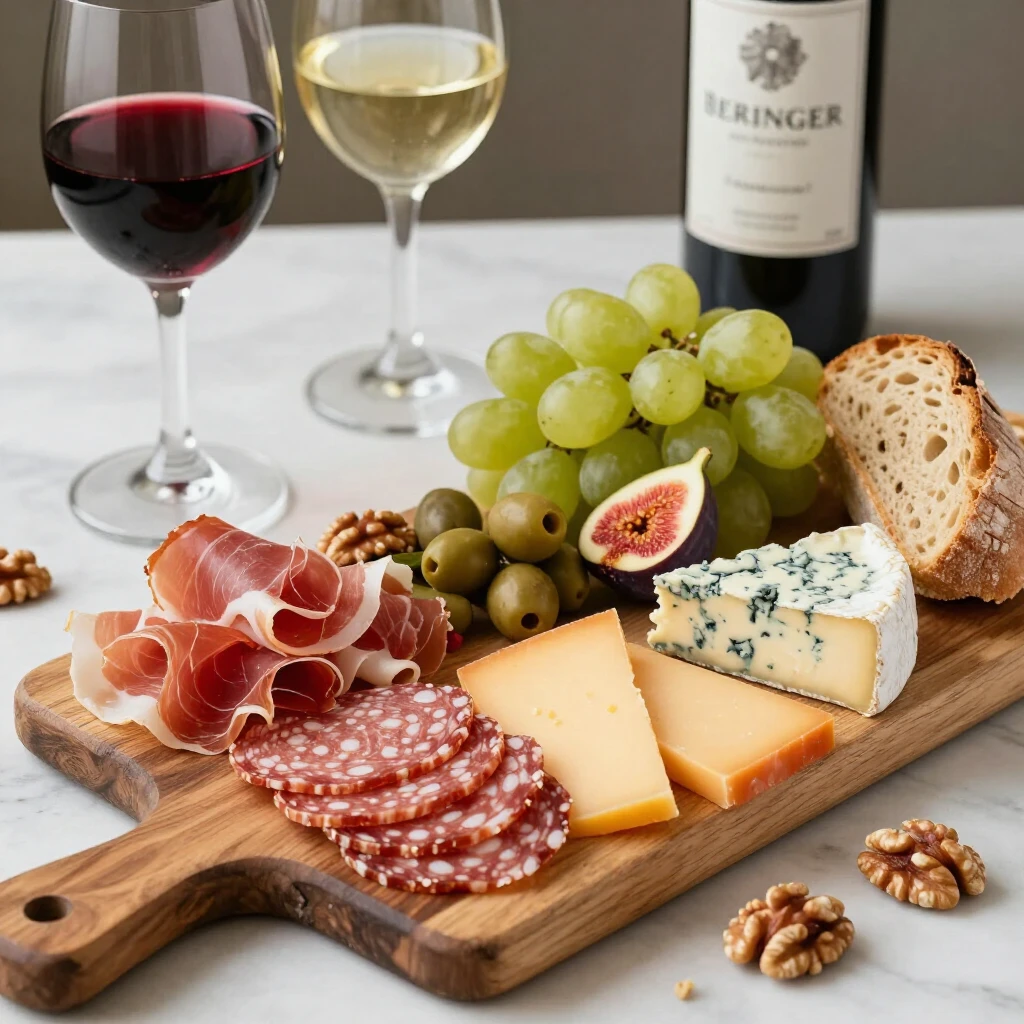
Don’t overlook these flexible choices: - Dry Rosé → pairs with almost anything—grilled shrimp, pizza, spicy Thai food, or summer salads. - Sparkling Wine → brut Champagne or Prosecco cuts through fried foods, sushi, or salty popcorn. - Sweet Wines (late-harvest Riesling or Port) → match blue cheese, fruit desserts, or foie gras.
Rosé has become my go-to for casual backyard barbecues. Its light fruit and crisp finish handle smoky grilled flavors effortlessly.
Common Mistakes and How to Avoid Them
- Overthinking it — If you enjoy the combination, it works.
- Serving wine too warm or too cold — Reds taste best around 60-65°F; whites around 45-50°F.
- Ignoring the sauce — Pair with the dominant flavor (e.g., red wine with steak in pepper sauce, not necessarily the meat alone).
- Forgetting personal taste — Guidelines help, but your palate decides.
Experiment freely. Some of my best discoveries came from “wrong” pairings that simply tasted great.
Final Thoughts
Pairing wine with food adds joy and discovery to meals. Start with the basic rules, try classic combinations like Beringer Cabernet with steak or Chardonnay with seafood, and soon you’ll create your own signature matches.
Next time you plan dinner, grab a bottle you love and build the menu around it. You’ll be amazed how much more enjoyable eating becomes.
Cheers to delicious discoveries!