The Science of Terroir: How Land Shapes Wine
Imagine sipping a glass of wine that tastes like the earth it came from. That's the magic of terroir. This article dives into how land shapes wine, from soil to climate. We'll cover the basics, history, and tips to appreciate it yourself. Expect around 1500 words of easy-to-read insights.
A Quick Overview
Terroir explains why wines from different places taste unique. It combines soil, weather, and land features to create distinct flavors. Scientists study this to help winemakers craft better bottles. From ancient vines to modern methods, terroir remains key to great wine.
What Is Terroir?
Terroir is a French word that means the complete natural environment where grapes grow. It includes everything from the dirt under the vines to the slope of the hill. Winemakers say it gives wine its personality.
Think of it like this: two identical grape types grown in different spots will produce different wines. Why? Because the land imparts its own stamp.
Experts break terroir down into key parts. Soil type affects how grapes absorb nutrients. Climate decides ripening speed. Topography influences sunlight and water flow. Even tiny organisms in the ground play a role.
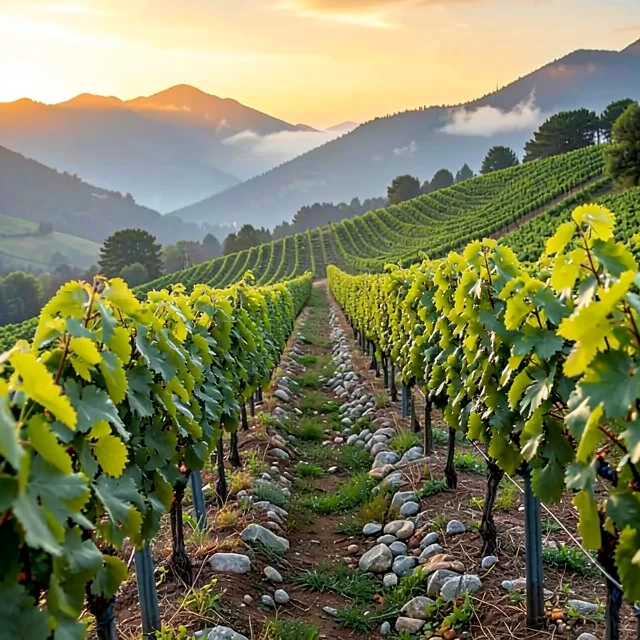
I once visited a vineyard in France where the owner pointed out rocky soil. 'This gravel drains water fast,' he said. 'It stresses the vines just enough to make concentrated flavors.' That chat opened my eyes to how land isn't just background—it's the star.
The Role of Soil in Wine Flavor
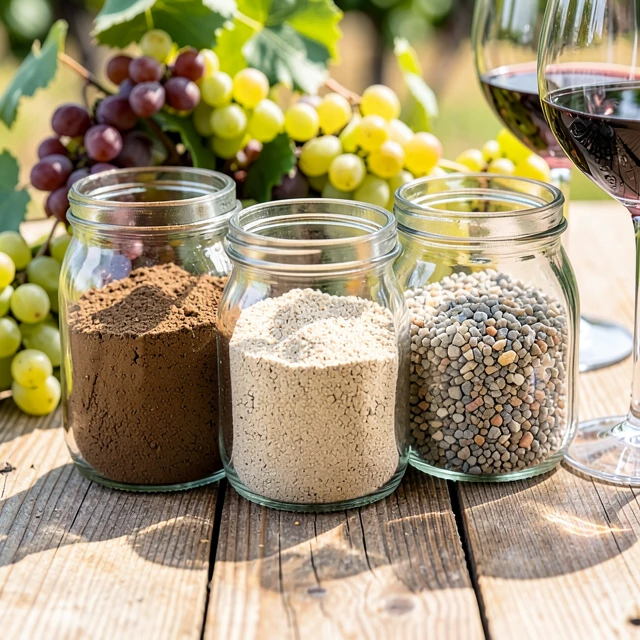
Soil is the foundation of terroir. Different types create varied tastes. Clay holds water, leading to bold reds. Sandy soils make lighter wines. Limestone adds minerality—that crisp, stony note.
A study from the University of California, Davis, shows how soil pH affects grape acidity. Lower pH often means brighter wines. Winemakers test soils regularly to match grapes to land.
Here's a simple table of common soil types and their effects:
| Soil Type | Characteristics | Wine Impact |
|---|---|---|
| Clay | Retains moisture | Full-bodied, tannic |
| Sand | Drains quickly | Elegant, fruity |
| Limestone | Alkaline, mineral-rich | Crisp, mineral notes |
| Gravel | Good drainage | Concentrated flavors |
Use this to pick wines based on what you like.
Climate's Big Influence
Weather patterns shape grapes year after year. Warm climates ripen fruit fast for jammy tastes. Cooler areas slow it down for fresh acidity.
Climate change adds challenges. Hotter temps can over-ripen grapes. Some regions adapt by planting higher up mountains for cooler air.
In my travels to Napa Valley, I saw how fog from the bay cools vines. It preserves that zesty edge in Chardonnay. Nature's air conditioning!
Topography: Hills, Valleys, and More
The lay of the land matters too. South-facing slopes get more sun in the Northern Hemisphere. This boosts sugar levels for sweeter wines.
Rivers and lakes moderate temperatures. Wind protects against frost. It's all connected.
A report from the International Organisation of Vine and Wine highlights how elevation affects aroma compounds. Higher spots often yield more floral notes.
The History of Wine: From Ancient Times to Modern Day
Wine's story ties back to terroir. Ancient Georgians buried clay jars in soil for fermentation—early recognition of land's role. Romans spread vines across Europe, noting how regions differed.
Today, appellation systems like France's AOC protect terroir. They ensure wines reflect their origin. This history shows humans have long respected the land's power.
Modern science builds on this. DNA testing identifies grape varieties suited to specific terroirs. Satellite imagery maps soil variations. It's a blend of old wisdom and new tech.
How Terroir Shows Up in Your Glass
Taste a Pinot Noir from Burgundy versus Oregon. The French one might be earthy and subtle. The American? Brighter fruit. That's terroir at work.
To spot it, try blind tastings. Note differences in aroma, taste, and finish. It's fun and sharpens your palate.
For beginners, check out A Guide to Wine Tasting: Tips and Tricks for Beginners. Start with swirling the glass to release scents. Sip slowly. Compare wines side by side.
I remember my first terroir revelation: tasting two Cabernets from neighboring vineyards. One had blackberry notes; the other, herbs. The difference? A small river between them altering microclimates.
Wine Tourism: Experience the Charm of Family-Run Vineyards
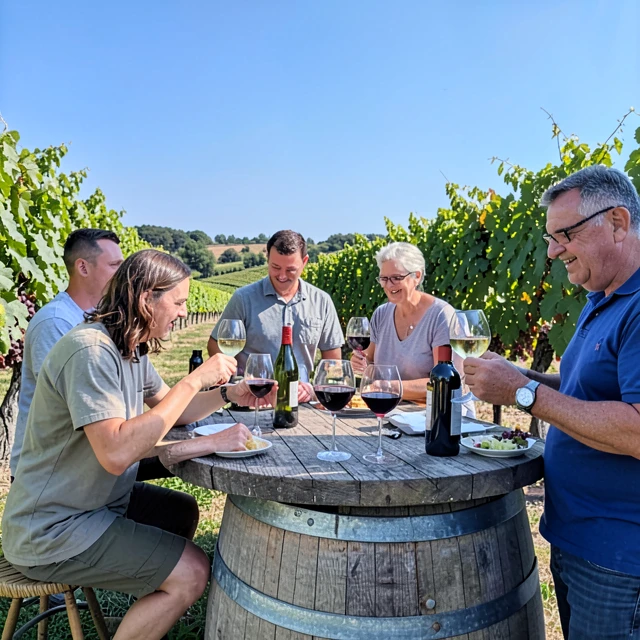
Want to see terroir firsthand? Hit the wine trail. Family-run spots offer intimate tours. Walk the vines, touch the soil, taste the results.
Places like Italy's Tuscany or California's Sonoma let you chat with owners. They share stories of how their land defines their wine. It's immersive and memorable.
Practical Tips for Appreciating Terroir
- Read labels: Look for region specifics.
- Pair with food: Local dishes enhance terroir.
- Keep a journal: Note what you taste and why.
- Visit wineries: Nothing beats on-site learning.
For more, explore The Ultimate Wine Tasting Guide. It covers etiquette and flavor wheels.
Challenges and Future of Terroir
Pests, pollution, and urbanization threaten traditional terroirs. Sustainable farming helps. Organic methods preserve soil health.
Researchers at Bordeaux University study how to adapt. Grafting new rootstocks resists diseases while keeping flavor profiles.
As a wine enthusiast, I support eco-friendly producers. Their wines taste better knowing the land thrives.
Wrapping It Up
Terroir proves wine is more than grapes—it's the land's gift. From soil secrets to climate cues, it creates endless variety. Next time you pour a glass, think of the earth behind it. Dive deeper with these reads for more adventures in wine.