Exploring the Beringer Wine Production Process: From Vineyard to Bottle
Beringer stands out among wine brands as one of the oldest continuously operating wineries in Napa Valley. Founded in 1876, its wine production process combines time-honored methods with modern techniques to create award-winning wines. This overview explores each step, from vine to bottle.
A Brief History of Beringer: Pioneering Wine Brands in Napa Valley
Jacob Beringer and his brother Frederick started the winery in 1875 after Jacob emigrated from Germany. They bought land in St. Helena and crushed their first grapes in 1876. Even during Prohibition, Beringer kept going by making sacramental wines. Today, it remains a leader in premium wines. As someone who has explored Napa's history, I find Beringer's story inspiring—it shows how dedication builds lasting wine brands. For more on its historic status, check the National Register of Historic Places nomination for Beringer.
Vineyard Management: The Starting Point of the Beringer Wine Production Process
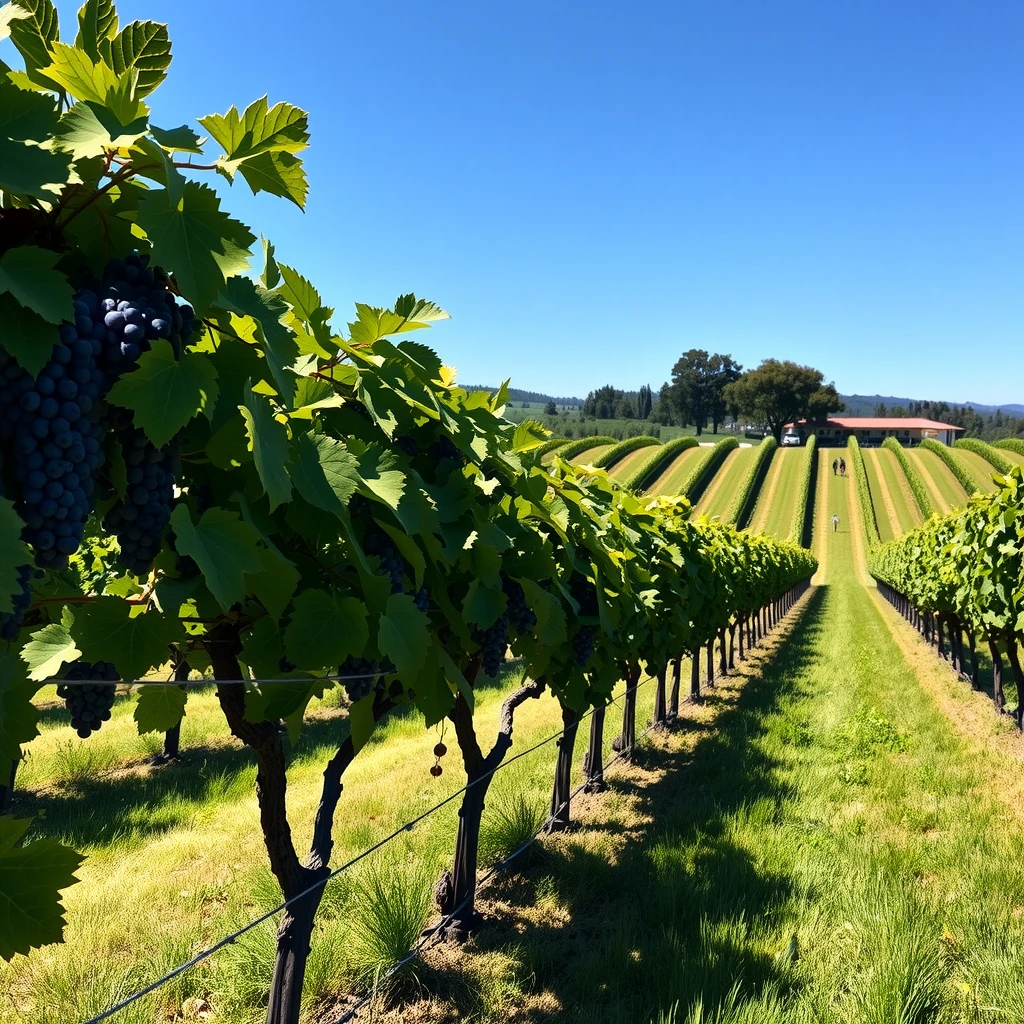
Everything begins in the vineyards. Beringer sources grapes from diverse Napa Valley spots like St. Helena, Howell Mountain, and Knights Valley. They farm for low yields to get concentrated flavors. Vines get hand-tended over 20 times each season—pruning, suckering, and more. This careful approach ensures top-quality fruit.
Soils vary widely: rocky volcanic on mountains for structured reds, gravelly for crisp whites. Microclimates play a big role too—cool fog in lower areas, sunny heights above. Beringer's team collaborates with experts to refine practices. Sustainability matters; they care for land, animals, and people. In my view, this foundation explains why Beringer wines taste so vibrant. It's not just growing grapes; it's crafting potential in every berry.
Harvesting: Timing It Just Right
Harvest kicks off the active Beringer wine production process. It happens from late summer to fall, depending on the grape variety. For Cabernet Sauvignon, a Beringer staple, picking occurs when sugars and acids balance perfectly.
Workers hand-pick grapes early in the morning to keep them cool. This prevents unwanted fermentation. Trucks rush clusters to the winery for sorting. Any imperfect grapes get removed—only the best make it through. Beringer uses optical sorters for precision, but human eyes catch nuances tech misses.
I've imagined standing in those fields at dawn, fog lifting as pickers work. That moment captures the excitement. Harvest decisions rely on tastings and lab tests, blending art and science. For a deeper look at grape ripening, see this Penn State Extension guide on wine production.
Crushing and Pressing: Extracting the Essence
Once at the winery, grapes go through crushing. Stems get removed, and berries burst to release juice, skins, and seeds—called must for reds, free-run juice for whites.
Beringer uses gentle presses to avoid bitter tannins. For whites like Chardonnay, pressing happens quickly to minimize skin contact. Reds macerate with skins for color and flavor. The historic gravity-flow system in their stone winery helps—juice flows down levels without pumps, reducing oxidation.
This step sets the wine's character. Beringer's winemakers monitor closely, adjusting based on vintage conditions. It's fascinating how small choices here influence the final taste.
Fermentation: The Magic Transformation
Fermentation turns sugar into alcohol. Yeast does the work, either native or added strains. Beringer ferments in stainless steel tanks for whites to keep freshness, oak barrels for reds to add complexity.
Temperatures stay controlled—cool for whites, warmer for reds. This process lasts one to three weeks. Punch-downs or pump-overs mix the must for even extraction in reds.
Current winemaker Margo Van Staaveren brings decades of experience, blending lots for balance. Beringer's innovation shines here, like their botrytized Nightingale wine. Yeast's role is crucial; learn more from this NCBI article on winemaking and yeast. As a wine enthusiast, I appreciate how fermentation reveals a vineyard's personality.
Aging: Developing Depth and Character
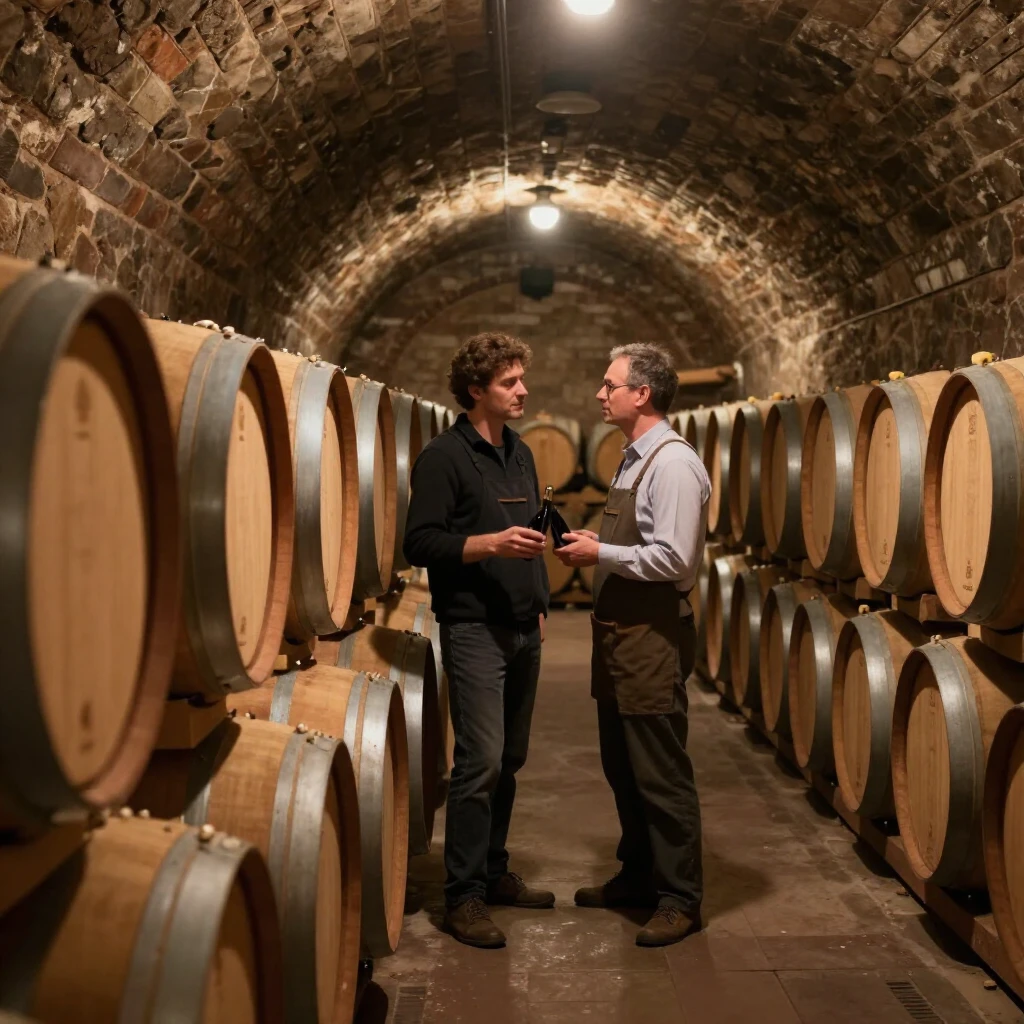
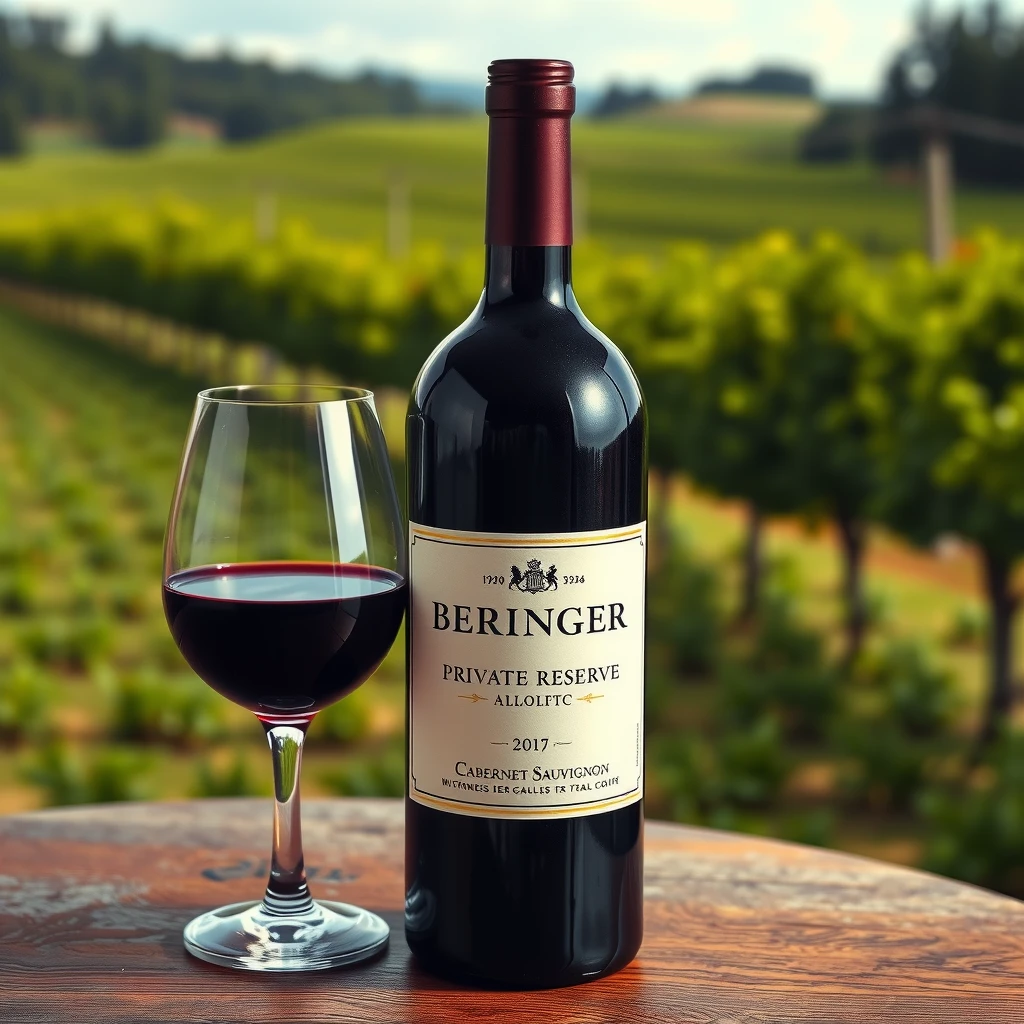
After fermentation, wines age to mellow and integrate flavors. Beringer uses French oak barrels for premiums like Private Reserve Cabernet. Aging lasts months to years, depending on the style.
In their hand-dug tunnels, constant cool temperatures aid slow maturation. Winemakers taste regularly, deciding when to blend or bottle. This patience pays off in smooth, complex wines.
For red wines, this phase is key for tannin softening. Beringer draws from sites like Chabot Vineyard for structure. Here's a quick list of aging benefits: - Enhances aromas - Softens tannins - Builds complexity - Improves stability
Check this Iowa State University guide on red wine production for technical details. In my experience, well-aged Beringer wines offer layers that unfold with each sip.
Bottling and Release: The Final Steps
When ready, wines get filtered if needed, then bottled. Beringer uses modern lines for efficiency while maintaining quality. Bottles rest before shipping to let them settle.
Labels tell the story—vintage, variety, appellation. Some wines age further in bottle. Beringer's commitment shows in every detail, from cork to capsule.
The entire Beringer wine production process emphasizes quality at each stage. It's why they earn top awards, like Wine Spectator's #1 rankings.
Wrapping It Up: Why Beringer Stands Out
The Beringer wine production process showcases dedication from vineyard to bottle. As one of the premier wine brands, it blends heritage with innovation for exceptional results. Whether you're a novice or connoisseur, trying Beringer reveals Napa's best. Remember, great wine starts with great grapes—and Beringer masters that.