How Organic Farming Benefits the Environment: Why Sustainability Makes Jackson Family Wines Different
A Quick Overview
Organic farming avoids synthetic chemicals, builds healthier soil, conserves water, boosts biodiversity, and helps fight climate change. In the wine industry, Jackson Family Wines leads by applying these principles across thousands of acres, setting a higher standard than many conventional wine brands. This approach not only protects the environment but also produces exceptional wines.
What Is Organic Farming?
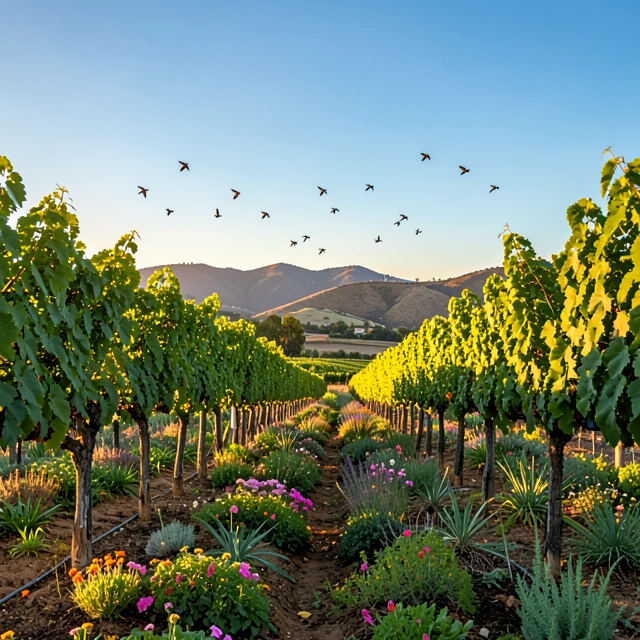
Organic farming is a method that relies on natural processes and materials instead of synthetic chemicals. Farmers use compost, cover crops, crop rotation, and beneficial insects to grow food and crops. In viticulture—the art of growing grapes for wine—organic practices mean no synthetic pesticides, herbicides, or fertilizers.
The United States Department of Agriculture (USDA) sets strict standards for organic certification. Farms must follow these rules for at least three years before they can label products as organic.
Benefit 1: Healthier Soil
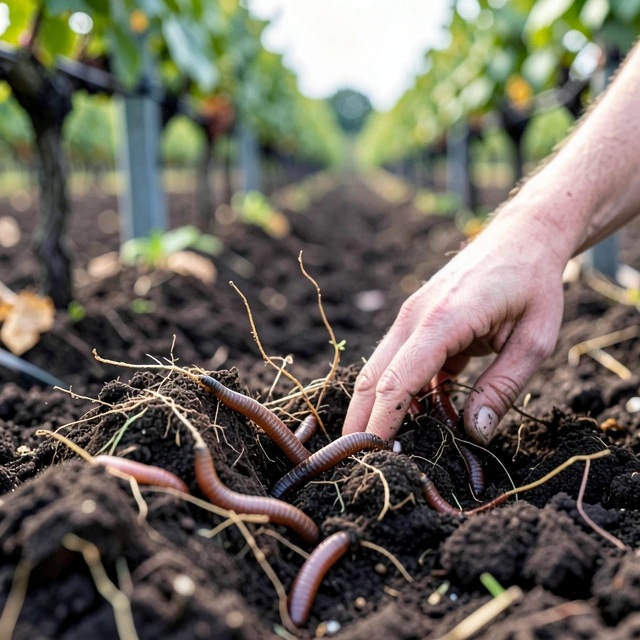
Healthy soil is the foundation of a healthy planet. Organic farming builds soil rich in organic matter through composting, cover cropping, and reduced tillage.
This approach improves soil structure, increases water-holding capacity, and prevents erosion. Organic soils also store more carbon, helping to mitigate climate change. Studies show that organic fields can sequester significantly more carbon than conventional ones.
In vineyards, healthy soil supports stronger vines that produce better grapes year after year.
Benefit 2: Cleaner Water
Conventional farming often relies on synthetic fertilizers and pesticides that can run off into rivers, lakes, and groundwater. Organic farming eliminates these chemicals.
By using natural fertilizers and integrated pest management, organic farmers greatly reduce pollution. Cover crops and buffer zones further protect waterways by filtering runoff and preventing soil erosion.
Cleaner water means healthier ecosystems for fish, wildlife, and communities downstream.
Benefit 3: Greater Biodiversity
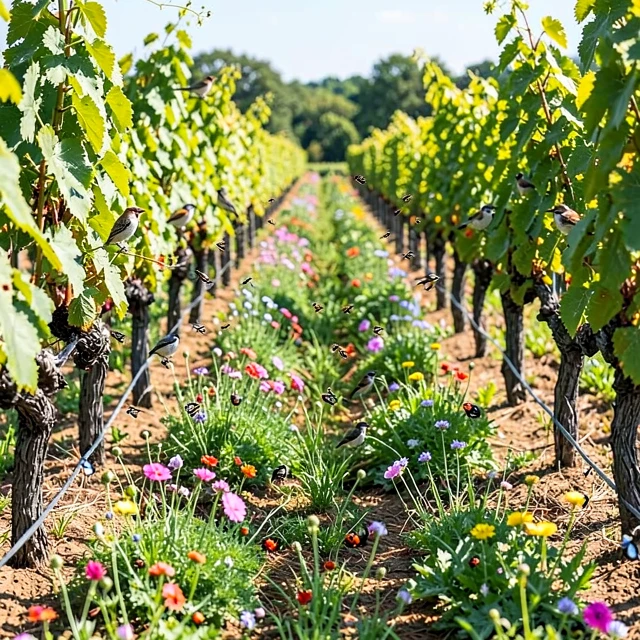
Organic farms support far more life than conventional ones. Without broad-spectrum pesticides, beneficial insects thrive. Birds, bats, and pollinators find food and shelter.
Farmers often plant hedgerows, flower strips, and cover crops to attract wildlife. This diversity creates natural pest control—ladybugs eat aphids, owls hunt rodents, and bees pollinate crops.
Research consistently shows that organic farms have 30–50% more species and greater abundance of wildlife than conventional farms.
Benefit 4: Lower Greenhouse Gas Emissions
Organic farming generally has a smaller carbon footprint. It avoids energy-intensive synthetic nitrogen fertilizers, which are responsible for significant nitrous oxide emissions—a potent greenhouse gas.
Practices like composting, cover cropping, and reduced tillage store more carbon in the soil. Many organic farmers also use renewable energy and efficient water systems to further cut emissions.
Over time, these methods help slow climate change while making farms more resilient to extreme weather.
Jackson Family Wines: A Real-World Example
When comparing Jackson Family Wines vs other wine brands, sustainability is what truly sets them apart.
Jackson Family Wines owns vineyards across California, Oregon, and international regions. They have certified thousands of acres as organic or sustainable through rigorous third-party programs, including California Certified Organic Farmers (CCOF) and Sustainability in Practice (SIP) Certified.
They go beyond basic organic standards by adopting regenerative practices: planting cover crops, using sheep for mowing, installing owl boxes and bat houses, and conserving water through precision irrigation and drought-resistant rootstocks.
Why Sustainability Makes Jackson Family Wines Different
Many wine brands use conventional methods that rely on synthetic herbicides like glyphosate and chemical fertilizers. Jackson Family Wines takes a different path.
They invest heavily in soil health, biodiversity, and water conservation because they believe long-term environmental health produces better wines. Their winemakers notice deeper flavors and more balanced grapes from sustainably farmed vineyards.
This commitment extends from vineyard to bottle: solar-powered wineries, lightweight glass, and recycling programs reduce the overall footprint.
| Aspect | Jackson Family Wines | Typical Conventional Wine Brands |
|---|---|---|
| Pesticide Use | Minimal to none; natural alternatives | Regular synthetic pesticides and herbicides |
| Soil Management | Compost, cover crops, minimal tillage | Synthetic fertilizers, frequent tillage |
| Biodiversity Support | Owl boxes, bat houses, insectaries, hedgerows | Limited wildlife habitat |
| Water Management | Precision irrigation, dry farming | Higher water use, less monitoring |
| Carbon Practices | Carbon farming, renewable energy | Higher reliance on fossil fuel inputs |
How You Can Support These Efforts
Choosing organic and sustainably produced wines is one of the easiest ways to vote with your dollar. Look for certifications on labels: - USDA Organic - CCOF - SIP Certified - Demeter Biodynamic
Brands like those from Jackson Family Wines (including Kendall-Jackson, La Crema, and Hartford Family Winery) make it simple to enjoy great wine while supporting the planet.
Final Thoughts
Organic farming delivers clear, measurable benefits: healthier soil, cleaner water, thriving biodiversity, and reduced climate impact. Jackson Family Wines demonstrates that large-scale wine production can—and should—embrace these principles.
By choosing brands that prioritize sustainability, we all help protect the environment for future generations while enjoying better-tasting wines today.