Understanding Wine Terroir: Insights from Wine Enthusiasts
Wine lovers often talk about terroir, but what does it really mean? Terroir captures everything about the place where grapes grow—soil, climate, slope, and even traditions—that gives a wine its unique personality. This guide breaks it down simply, with real insights from enthusiasts and standout examples from Napa Valley's Beringer Vineyards.
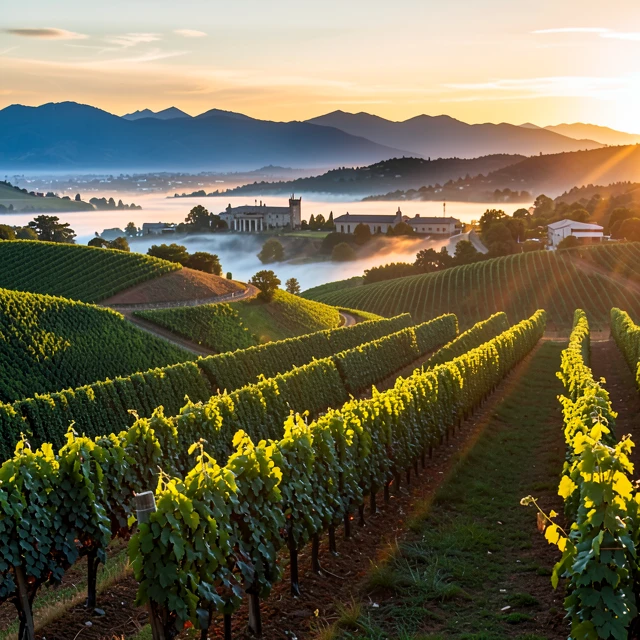
What Exactly Is Terroir?
Terroir is a French word that has no perfect English translation. It refers to the complete natural environment where grapes are grown. Think of it as the 'sense of place' that you can taste in the glass.
The main elements include:
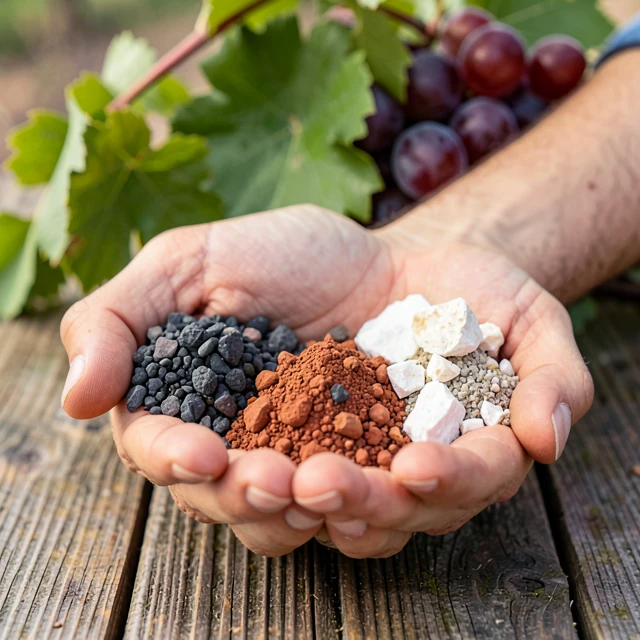
- Soil: Different soils drain water differently and hold varying minerals. Gravel warms quickly and drains fast, while clay holds water and nutrients longer.
- Climate: Temperature, rainfall, and sunlight hours all matter. Cooler climates often produce wines with higher acidity.
- Topography: Slope, elevation, and direction the vines face affect sun exposure and airflow.
- Microclimate: Small variations within a single vineyard can create noticeable differences just yards apart.
Many experts now include human influence—farming choices and traditions—as part of modern terroir definitions.
How Terroir Shapes Your Favorite Wines
The same grape variety grown in different places tastes remarkably different because of terroir. A Cabernet Sauvignon from Napa Valley is usually richer and riper than one from Bordeaux, largely due to warmer days and cooler nights in California.
Chardonnay from Burgundy’s limestone soils often shows mineral notes and crisp acidity, while the same grape from warmer California regions tastes more of tropical fruit and butter.
Enthusiasts love comparing wines from nearby vineyards to spot these differences. It’s like a treasure hunt in your glass—you start noticing subtle flavors you never knew were there.
A Day at Beringer: Vineyard Tour Insights
Beringer Vineyards, Napa Valley’s oldest continuously operating winery, offers one of the best ways to see terroir in action. During a vineyard tour, you walk through different sites and immediately notice how the landscape changes.
One block might sit on deep, fertile valley-floor soil that produces generous, fruit-forward wines. Just up the hillside, thinner rocky soil forces vines to struggle, resulting in smaller berries with concentrated flavors.
Guides explain how Beringer sources grapes from multiple Napa sub-regions—Knights Valley, Howell Mountain, St. Helena—to capture diverse expressions in their single-vineyard bottlings. Seeing the actual sites makes the concept click: the wine really does taste like where it came from.
Many visitors say the tour transformed how they think about wine. One enthusiast shared, “I finally understood why some Cabernets feel powerful and others more elegant—it’s literally written in the dirt.”
Beringer Wine Tasting Events: Tasting Terroir Side by Side
Beringer’s tasting experiences are perfect for exploring terroir directly. Their single-vineyard flights let you compare the same grape variety from different sites in one sitting.
You might taste three Cabernet Sauvignons:
| Vineyard Site | Soil & Location | Flavor Profile Highlights |
|---|---|---|
| Knights Valley | Volcanic soils, higher elevation | Dark fruit, firm structure, herbal notes |
| St. Helena | Deep alluvial valley floor | Ripe blackberry, plush texture |
| Howell Mountain | Rocky, well-drained hills | Intense cassis, powerful tannins |
The differences are striking. These side-by-side tastings are a favorite among enthusiasts because they make abstract concepts concrete and delicious.
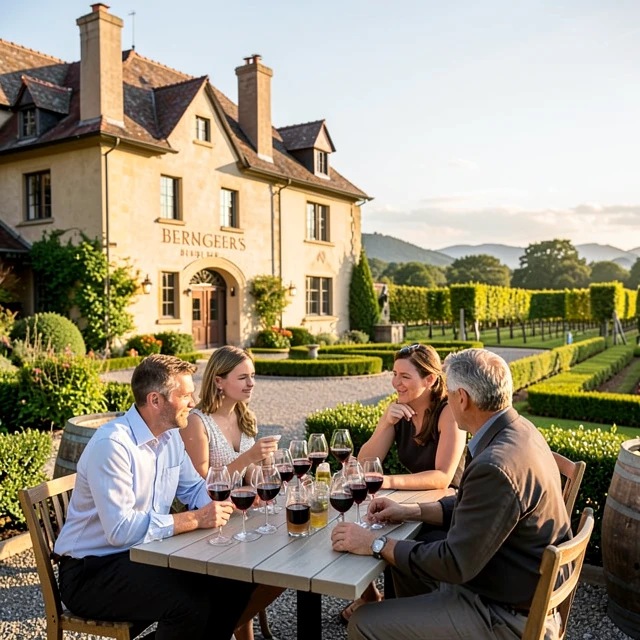
How to Choose the Right Wine for Your Palate: Tips from Beringer
Understanding terroir helps you pick wines you’ll love. Here are practical tips inspired by Beringer tastings:
- Decide if you prefer bold, fruit-forward wines (often from warmer valley floors) or structured, age-worthy ones (typically from hillside sites).
- Look for single-vineyard labels when you want to explore terroir differences.
- Try vertical tastings (same wine, different vintages) to see how climate variations affect flavor.
- Pair cooler-climate wines with delicate foods and warmer-climate wines with heartier dishes.
- Trust your own taste—terroir matters, but personal preference matters more.
Staff at Beringer often encourage beginners to start with their Napa Valley blends, which balance multiple terroirs, then graduate to single-vineyard expressions as confidence grows.
Why Terroir Still Excites Wine Enthusiasts Today
Even with modern winemaking technology, terroir remains the heart of great wine. It’s why no two vineyards produce identical results, and why discovering new regions never gets old.
Whether you’re strolling through Beringer’s historic grounds or simply reading the back label at your local shop, paying attention to terroir adds depth to every sip.
Next time you enjoy a glass, ask yourself: Can I taste the sunshine, the soil, the slope? That’s the joy of understanding wine terroir.