A Guide to Eco-Friendly Wine Brands
A Quick Overview
More people now seek wines that taste amazing and support the environment. This guide to eco-friendly wine brands helps you find producers who lead in sustainability. You will learn key practices, meet standout companies like Jackson Family Wines, and get tips to choose better bottles.

Why Sustainability Matters in Winemaking
Wine starts in the vineyard, and traditional farming can harm soil, water, and wildlife. Eco-friendly brands change that. They use methods that protect resources and fight climate change.
I love how these choices make wine taste better too. Healthier soils often produce more vibrant grapes. When I taste a truly sustainable wine, I notice purer fruit flavors.
What Makes a Wine Brand Eco-Friendly?
Look for these core practices:
- Organic or biodynamic farming — no synthetic pesticides or fertilizers
- Water conservation — drip irrigation and monitoring
- Renewable energy — solar power in wineries
- Carbon reduction — lighter bottles and efficient transport
- Habitat protection — planting native species and creating wildlife corridors
Certifications help verify claims. Two strong ones come from California:
- The California Sustainable Winegrowing Alliance offers third-party certification for vineyards and wineries that meet strict environmental and social standards.
- SIP Certified focuses on protecting people, planet, and prosperity through detailed rules on water, energy, and habitat.
For deeper practices, check this best practices fact sheet from the New York State Pollution Prevention Institute at RIT.
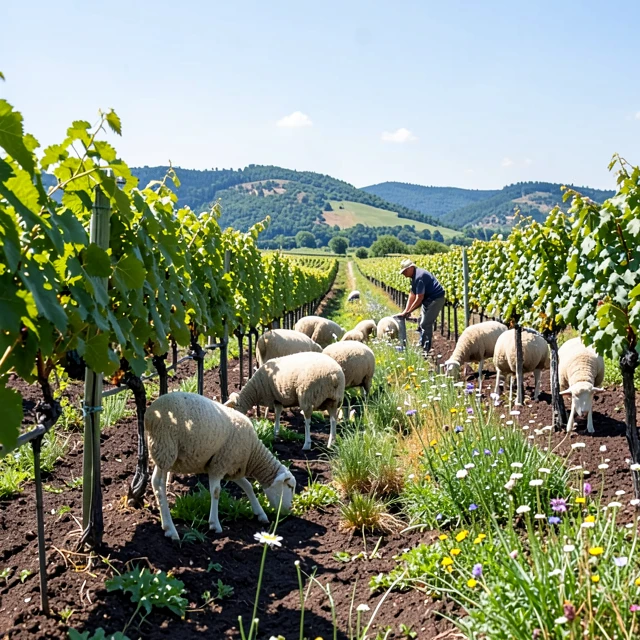
Spotlight: Jackson Family Wines
Jackson Family Wines stands out as a large producer that takes sustainability seriously. They own famous brands like Kendall-Jackson, La Crema, and Hartford Family.
All their California vineyards hold SIP Certified status. They push further with ambitious company-wide goals.
Rooted for Good: Jackson Family Wines’ Sustainability Plan
In 2021, they launched Rooted for Good: Roadmap to 2030. The plan sets bold targets:
- Cut carbon emissions in half by 2030
- Become climate positive by 2050 (remove more carbon than they emit, without offsets)
- Convert 100% of estate vineyards to regenerative farming by 2030
- Deploy smart water tools to save and improve water quality
- Invest deeply in employees and local communities
These steps show real leadership from a major player.
Jackson Family Wines vs Other Wine Brands
Many great brands commit to sustainability, but scale makes Jackson Family Wines unique.
| Brand | Key Focus | Certifications/Highlights | Scale |
|---|---|---|---|
| Jackson Family Wines | Regenerative farming, carbon reduction | SIP Certified (all CA vineyards), Rooted for Good | Large, global |
| Bonterra (organic pioneer) | Organic since 1987 | Organic, biodynamic, regenerative | Medium |
| Fetzer | Renewable energy leader | B Corp, zero waste | Medium |
| Tablas Creek | Biodynamic excellence | Demeter biodynamic, SIP Certified | Boutique |
| J. Lohr | California sustainable focus | CSWA Certified | Large |
Jackson Family operates on a bigger scale while matching or exceeding boutique-level standards. Their climate-positive goal by 2050 leads the pack.
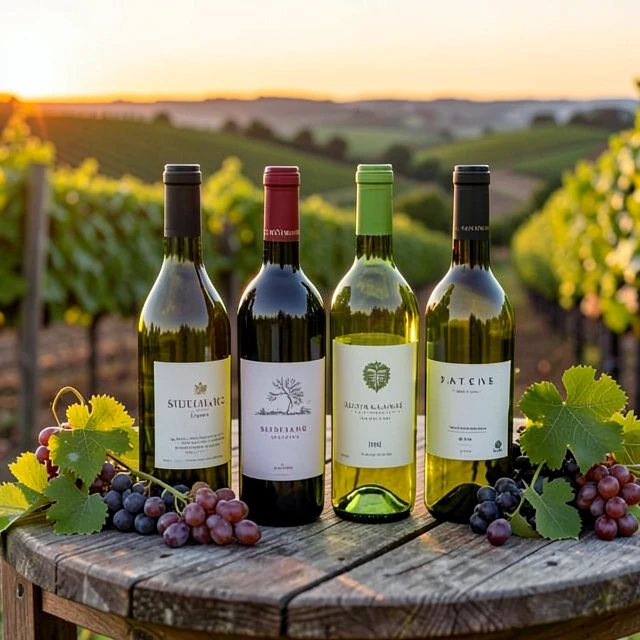
More Top Eco-Friendly Wine Brands to Explore
Here are other favorites worth trying:
- Bonterra → America's top organic wine brand with rich Chardonnay and Cabernet
- Fetzer → Runs on 100% renewable energy and offers affordable sustainable options
- Emiliana (Chile) → World's largest organic vineyard with fair-trade focus
- Frog's Leap (Napa) → Dry-farmed vines and humorous eco-friendly labels
- Dry Farm Wines → Curates low-intervention natural wines from small producers
Each brings unique flavors while protecting the earth.
How to Choose Eco-Friendly Wines in Stores
You can make better choices easily:
- Check labels for certifications like USDA Organic, SIP Certified, or biodynamic
- Seek lighter bottles (reduces shipping emissions)
- Support wineries that share annual sustainability reports
- Ask your local shop for sustainable recommendations—they often know great options
Small steps add up. Your purchases encourage more producers to go green.
Final Thoughts
Eco-friendly wine brands prove we can enjoy great wine while caring for the planet. Jackson Family Wines sets a high bar with Rooted for Good, but many others contribute too. Next time you pour a glass, choose one that supports a healthier future. Cheers to delicious, responsible sipping!
For more on natural wine trends, read this scientific review on sustainable approaches (PubMed).