Exploring Regenerative Agriculture in Vineyards: A Path to Healthier Soils and Exceptional Wines
Regenerative agriculture in vineyards goes beyond basic sustainability. It actively rebuilds soil health, captures carbon, and creates thriving ecosystems—leading to resilient vines and more expressive wines. This approach is gaining momentum worldwide.
What Exactly Is Regenerative Agriculture?
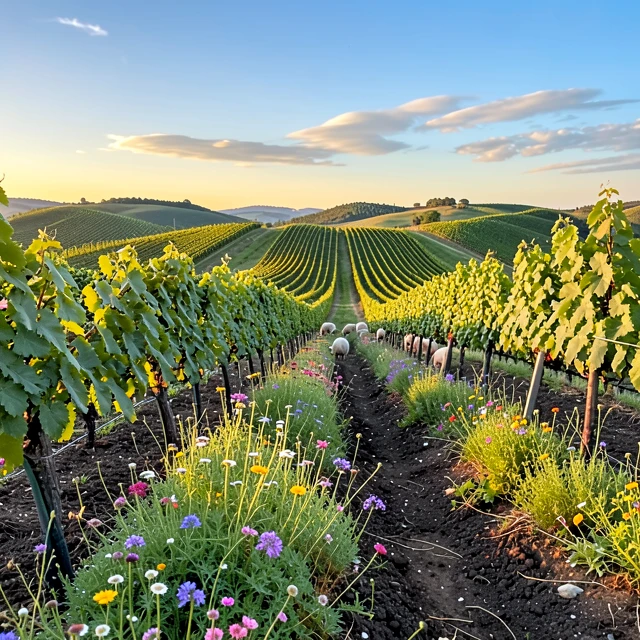
Regenerative agriculture focuses on farming methods that improve the land over time. Instead of just maintaining the soil, these practices restore it. In vineyards, this means working with nature to build healthier ecosystems.
The core idea is simple: healthy soil grows stronger plants. Vines in regenerative systems face less stress from drought or pests. They also produce grapes with deeper flavors.
Many experts describe regenerative farming as a set of principles that reverse damage from conventional methods. It emphasizes soil organic matter, biodiversity, and minimal disturbance.
Key Practices Transforming Vineyards
Winemakers adopt several straightforward practices to shift toward regenerative agriculture. Here are the most common ones:
- Cover crops: Grow plants like clover, oats, or mustard between vine rows. They prevent erosion, add nutrients, and support beneficial insects.
- Reduced tillage: Limit plowing to keep soil structure intact and preserve microbial life.
- Composting: Return organic matter to the soil through compost made from vineyard trimmings and manure.
- Animal integration: Let sheep or chickens graze cover crops. They naturally fertilize and control weeds.
- Biodiversity plantings: Add native flowers, trees, and hedgerows to attract pollinators and predators.
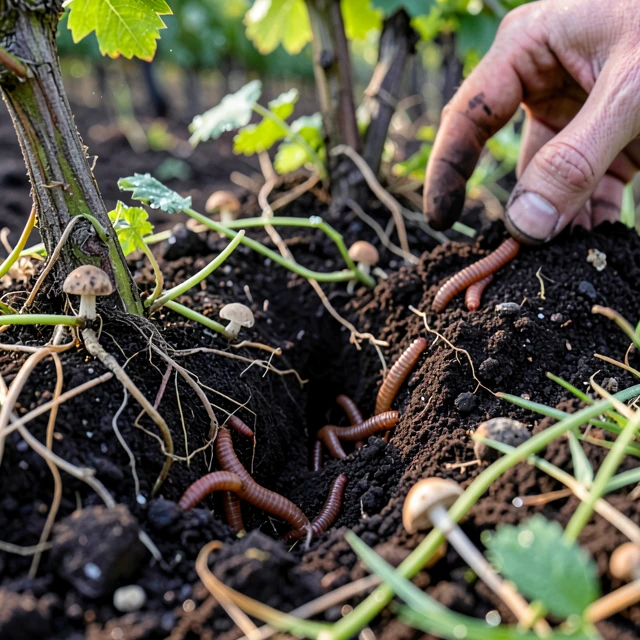
These practices work together. Cover crops feed the soil microbes. Animals spread nutrients evenly. Over time, the vineyard becomes more self-sufficient.
Real Benefits Backed by Research
Studies show clear advantages. Regenerative methods improve soil carbon storage, which helps fight climate change. They also make vineyards more resilient to extreme weather.
According to research from UC Davis on improving vineyard soil health, regenerative practices play a key role in sequestering carbon and building organic matter.
A University of California study on regenerative viticulture profitability found that while upfront costs rise slightly, long-term savings on inputs and potential yield gains make it economically viable.
The USDA Natural Resources Conservation Service highlights real-world success in vineyards using regenerative approaches to revitalize soil and manage water better.
On the wine side, healthier vines often produce grapes with better balance. Many winemakers report more complex aromas and flavors in the finished bottles.
Jackson Family Wines Leads the Way
One standout example is Jackson Family Wines. They committed to converting all estate vineyards to regenerative farming by 2030 as part of their Rooted for Good roadmap.
Explore their approach in detail at Jackson Family Wines: Sustainable Winemaking. They already use cover crops, composting, reduced tillage, and animal grazing across many properties.
The company partners with scientists to measure results. Early findings show improved soil health and biodiversity. Some of their best wines from Jackson Family Wines—such as those from renowned estates—now come from regeneratively farmed blocks.
Walking through one of their properties feels different. You see buzzing insects, blooming flowers, and lively soil. It’s clear the land is thriving.
How Regenerative Practices Shape Wine Taste
You might wonder if these changes affect what’s in your glass. The answer is yes—and in positive ways.
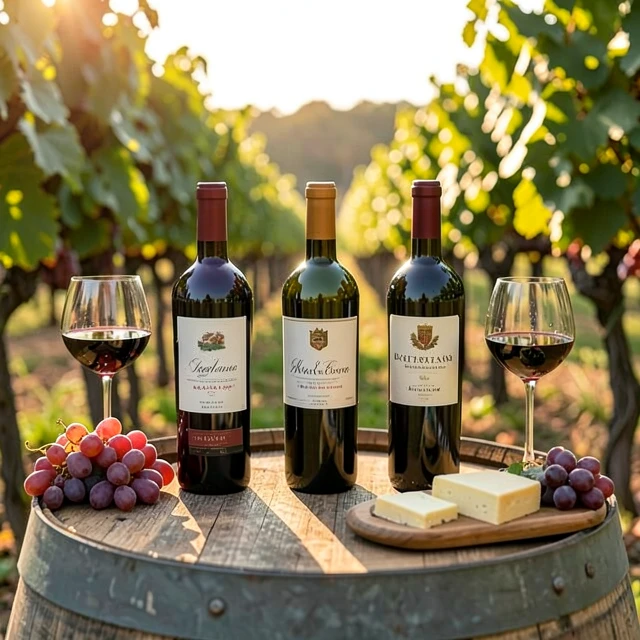
Vines with access to diverse nutrients develop grapes with layered flavors. Lower stress means better acid-sugar balance. Many tasters notice more minerality and freshness.
If you’re new to appreciating these differences, start with basic techniques. Swirl, smell, and sip slowly. Look for earthy notes or vibrant fruit that feels alive.
Wines from regenerative vineyards often stand out for their purity and sense of place. They reflect healthy terroir.
Challenges and the Road Ahead
Transitioning takes time and effort. Initial costs for cover crop seeds or composting systems can add up. Weather and soil types vary, so results differ by region.
Yet more wineries join every year. Certifications like Regenerative Organic Certified help consumers identify these bottles.
The future looks promising. As research grows and success stories spread, regenerative agriculture could become the standard in premium wine regions.
Final Thoughts
Exploring regenerative agriculture in vineyards reveals an exciting shift. It’s about leaving the land better than we found it while crafting outstanding wines. Leaders like Jackson Family Wines show it’s possible at scale.
Next time you enjoy a glass, consider the story behind it. Healthier soils mean a brighter future—for the planet and for wine lovers everywhere.