Pioneer in Napa: Beringer's Historic Journey
Overview
Beringer stands as a true pioneer in Napa Valley, with a history spanning over 145 years. Founded by German immigrants, it has weathered challenges like Prohibition and emerged as a leader in quality wine production, blending tradition with innovation.
The Founding Years
Imagine stepping back to the late 1800s, when Napa Valley was just starting to bloom as a wine region. Jacob Beringer, a young man from Mainz, Germany, arrived in New York in 1868. He soon headed west to California, drawn by tales of fertile lands perfect for grapes. By 1869, he worked as a cellar foreman for Charles Krug, one of Napa's early winemakers.
Jacob's brother, Frederick, joined him from New York, where he ran a successful business. In 1875, they bought 215 acres in St. Helena for $14,500. They named it Los Hermanos, Spanish for 'the brothers.' Their first harvest came in 1876, producing about 40,000 gallons of wine – that's around 18,000 cases today.
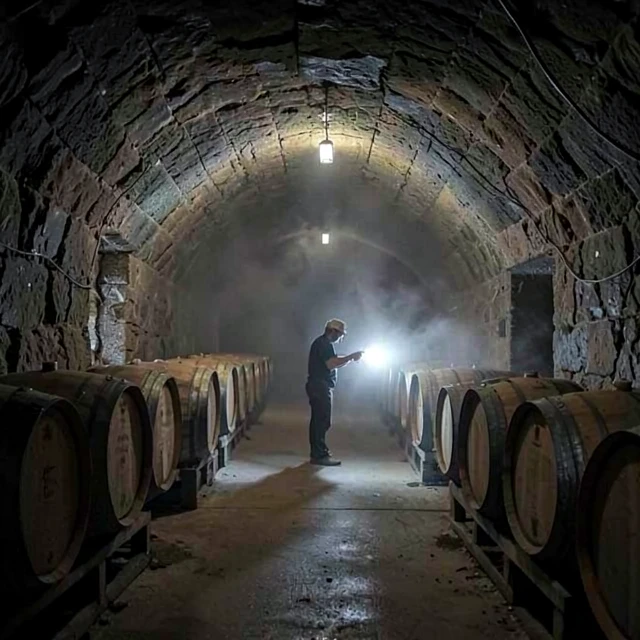
They built a stone winery, one of the first gravity-fed facilities in the area. Chinese workers dug a 1,200-foot tunnel into the hillside for aging wine at steady temperatures. This setup showed their forward thinking, controlling every step from grape to bottle.
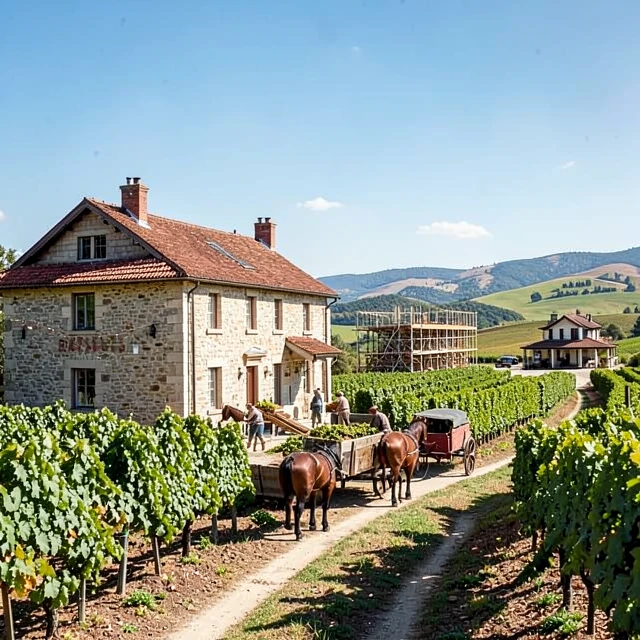
Jacob handled the winemaking, while Frederick managed finances and sales from San Francisco. Their partnership paid off quickly. In 1887, they won their first award at a San Francisco exposition. This marked the start of Beringer's reputation for excellence.
As I reflect on this, it's inspiring how two brothers turned a dream into a lasting legacy. Visiting the site today, you feel that same energy – the old tunnels still hum with history.
Architectural Gems and Innovations
In 1883, the brothers built the Rhine House, a grand 17-room mansion inspired by their German roots. It featured stained glass windows and intricate woodwork. Today, it's a National Historic Landmark, listed in 1972. They also planted elm trees along the driveway, creating a picturesque entrance.
Beringer pioneered many firsts. They were among the earliest to use hand-dug caves for aging. These natural cellars kept wines cool without modern refrigeration. In 1934, after Prohibition ended, Beringer became the first winery to offer public tours. This sparked Napa's wine tourism boom.
During Prohibition from 1920 to 1933, most wineries shut down. But Beringer got a federal license to make sacramental wines for religious use. They even sold beyond churches, keeping the business alive. Their Whisper Sister label nods to that era's speakeasies.
The Beringer Wine Production Process
Let's dive into what makes Beringer wines special – the Beringer wine production process. It starts in the vineyards. Beringer sources grapes from prime spots like Knights Valley and Howell Mountain. They use sustainable practices, monitoring soil and weather to grow top-quality fruit.
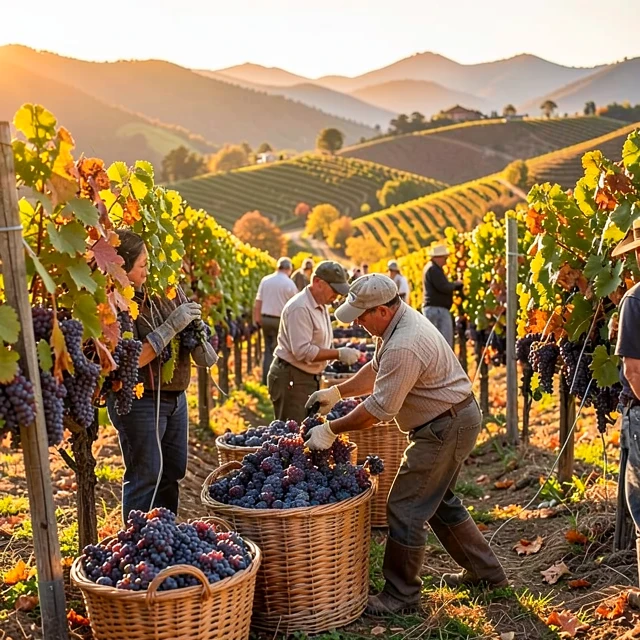
Harvest happens when grapes hit peak ripeness. Teams hand-pick delicate varietals like Chardonnay, while machines handle heartier ones like Cabernet Sauvignon. At the winery, grapes go through crushing to separate juice from skins.
Fermentation is key. For whites like Chardonnay, juice ferments in French oak barrels. This adds richness and subtle flavors. Reds ferment with skins for color and tannins. Beringer blends traditional methods with modern tech, like precise temperature control.
Aging follows. Wines mature in oak barrels – 50% new for premium lines – developing depth. The process ends with bottling, where each bottle gets careful inspection.
From my perspective, tasting a Beringer Cabernet feels like sipping history. Their attention to detail shines through in every glass.
| Key Steps in Beringer Wine Production Process |
|---|
| Vineyard Management |
| Harvesting |
| Crushing and Pressing |
| Fermentation |
| Aging |
| Bottling |
Awards and Modern Era
Beringer's excellence shows in its awards. In 1990, their 1986 Cabernet Sauvignon Private Reserve was named Wine of the Year by Wine Spectator – the first red to claim that. In 1996, their Chardonnay took the top spot for whites. No other winery has done both.
Ownership changed over time. After the brothers passed – Frederick in 1901, Jacob in 1915 – family ran it until 1971, when sold to Nestlé. Today, it's part of Treasury Wine Estates, but the focus on quality remains.
Winemakers like Margo Van Staaveren, with over 45 years at Beringer, keep innovating. They started barrel-fermenting Chardonnay in 1977 and built research programs in 1989.
For more on Beringer's role in Napa, check out the Napa Valley Vintners' history page, which details early pioneers. The National Register of Historic Places listing for Beringer offers deep insights into its architecture. And for immigrant stories, see Jacob Beringer's biography on Immigrant Entrepreneurship from a respected academic site.
Personal Insights and Why It Matters
I've always admired how Beringer balances heritage with progress. As one of the top wine brands, Beringer offers everything from everyday whites to reserve reds. Their Knights Valley Cabernet, for instance, captures volcanic soil's essence – bold yet smooth.
Visiting Beringer feels personal. You walk the grounds, taste in the Rhine House, and learn from guides. It's not just wine; it's a story of resilience. In a world of fast trends, Beringer reminds us value comes from time-tested methods.
If you're planning a Napa trip, start here. Pair their Chardonnay with cheese for a simple delight. Or explore their wine clubs for regular shipments.
- Tip 1: Book a cave tour to see aging in action.
- Tip 2: Try the Private Reserve – it's worth the splurge.
- Tip 3: Learn about sustainable farming; Beringer leads in eco-friendly practices.
Summary
Beringer has pioneered Napa's wine scene since 1876, surviving eras and setting standards. From humble beginnings to global recognition, it embodies innovation and quality. Explore more through Pioneer in Napa: Beringer's Historic Journey - https://www.beringer.com/pages/pioneer-in-napa for an in-depth look.