The Art of Wine and Cheese Pairing: A Complete Guide to Perfect Matches
Wine and cheese have delighted people for centuries. When paired well, they bring out the best in each other, creating flavors greater than the sum of their parts. This guide walks you through the essentials, from basic rules to specific recommendations, so you can confidently create your own memorable pairings.
Why Wine and Cheese Work So Well Together
Wine and cheese truly are a match made in heaven. Both are products of fermentation, share complex flavor profiles, and come from similar terroirs in many regions. The fat in cheese softens wine's tannins, while wine's acidity cuts through the richness of cheese. The result? Balanced, harmonious bites and sips that keep you reaching for more.
In my experience hosting tastings, guests always light up when they discover a new favorite combination. The excitement on their faces is why I love sharing this timeless tradition.
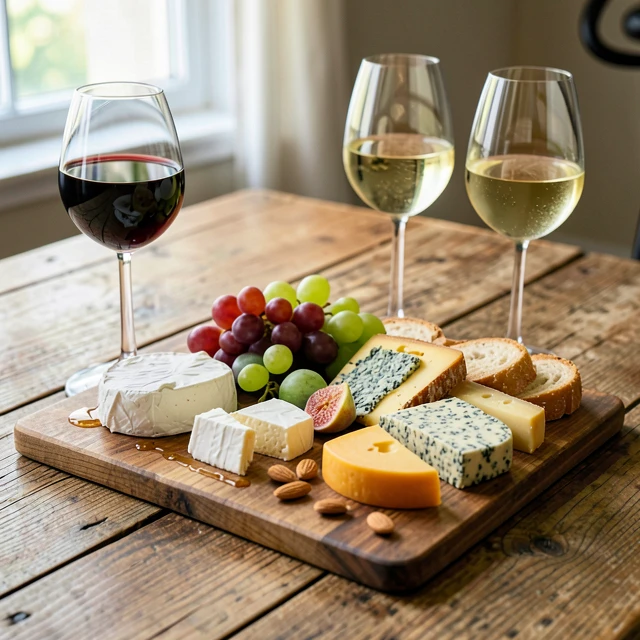
Basic Pairing Principles
Successful pairings follow a few simple guidelines:
- Match intensity: Light wines with delicate cheeses, bold wines with strong cheeses.
- Consider texture: Creamy cheeses love crisp, acidic wines; hard cheeses pair well with fuller-bodied ones.
- Balance flavors: Sweet with salty, acidic with rich, tannic with fatty.
- Contrast or complement: You can echo similar notes (nutty wine with nutty cheese) or create exciting opposites (sweet wine with salty blue cheese).
The classic rule “white wine with cheese” is too limited. Red wines shine with many cheeses when chosen thoughtfully.
How to Taste Wine Like a Pro
Great pairings start with understanding what’s in your glass. Follow these steps:
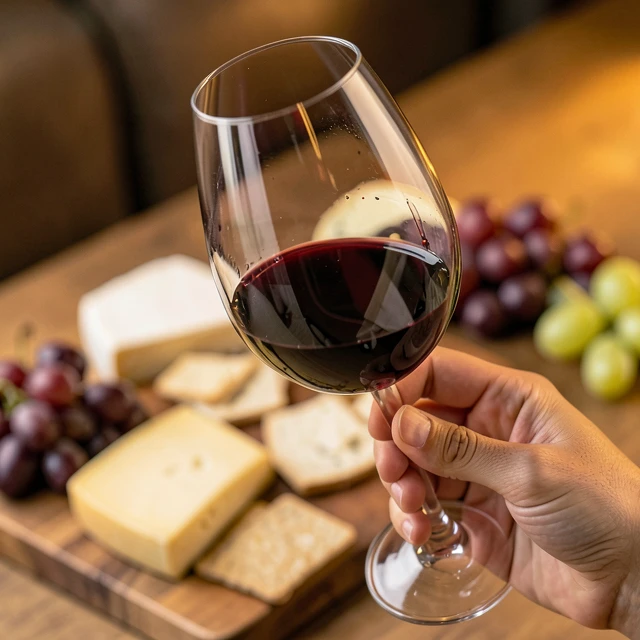
- Look – Hold the glass against a white background. Check color and clarity.
- Swirl – Gently swirl to release aromas.
- Smell – Stick your nose in and take short sniffs. Note fruit, floral, earthy, or spicy notes.
- Sip – Take a small sip and let it coat your mouth. Notice sweetness, acidity, tannins, and body.
- Pair – Take a bite of cheese, then another sip. Observe how the flavors change.
Practice this sequence each time, and you’ll quickly spot which combinations sing.
Classic Wine and Cheese Pairings
Here are reliable combinations that work every time:
| Cheese Type | Recommended Wine | Why It Works |
|---|---|---|
| Fresh goat cheese | Sauvignon Blanc | Bright acidity matches the cheese’s tang |
| Brie/Camembert | Chardonnay or Champagne | Creamy texture loves bubbles or oak |
| Aged Cheddar | Cabernet Sauvignon or Merlot | Bold fruit and tannins balance sharpness |
| Gouda | Pinot Noir or Riesling | Nutty sweetness meets red fruit or off-dry |
| Blue cheese | Port, Sauternes, or late-harvest | Intense sweetness tames the salty funk |
| Parmesan | Chianti or Prosecco | Umami meets bright acidity |
| Manchego | Tempranillo or Sherry | Nutty and salty notes harmonize |
These are starting points—feel free to experiment!
Pairing with Jackson Family Wines
Jackson Family Wines produces outstanding bottles across many styles, making them excellent for pairing.
- Their Kendall-Jackson Vintner’s Reserve Chardonnay—buttery with balanced oak—pairs beautifully with triple-cream Brie or lobster.
- La Crema Pinot Noir offers bright cherry and subtle earthiness that complements aged Gouda or mushroom dishes.
- Cambria Estate Julia’s Vineyard Pinot Noir shines with roasted duck or hard cheeses.
- For bold reds, Cardinale Cabernet Sauvignon or Lokoya stand up to strong blue cheeses or grilled steaks.
When pairing food with Jackson Family Wines, their range lets you match almost any cheese board perfectly.

Tips for Hosting Your Own Wine and Cheese Night
- Offer 4–6 cheeses of varying styles and intensities.
- Provide 4–5 wines (mix of white, red, sparkling, and one sweet).
- Serve at proper temperatures: whites chilled, reds slightly cool.
- Include neutral crackers, bread, nuts, fresh and dried fruit, honey, and olives.
- Supply palate cleansers—water and plain crackers.
- Encourage guests to try different combinations and share discoveries.
Keep portions small so everyone can taste multiple pairings without getting full too quickly.
Common Mistakes to Avoid
- Serving cheese straight from the fridge (let it reach room temperature).
- Overchilling bold red wines.
- Pairing very tannic reds with delicate fresh cheeses.
- Forgetting non-alcoholic options for all guests.
- Overcrowding the board—leave space for flavors to shine.
Final Thoughts
Mastering the art of wine and cheese pairing is about exploration and pleasure. Start with the classics, trust your palate, and don’t fear trying new combinations. Whether enjoying a quiet evening at home or hosting friends, the right match can turn simple ingredients into something extraordinary. Cheers to your next delicious discovery!