The Art of Wine Tasting: The Ultimate Guide
Overview
The art of wine tasting opens up a world of flavors and fun. This ultimate guide to wine tasting shares simple steps, pairing ideas, and wine picks to make you feel like a pro in no time.
What Is the Art of Wine Tasting?
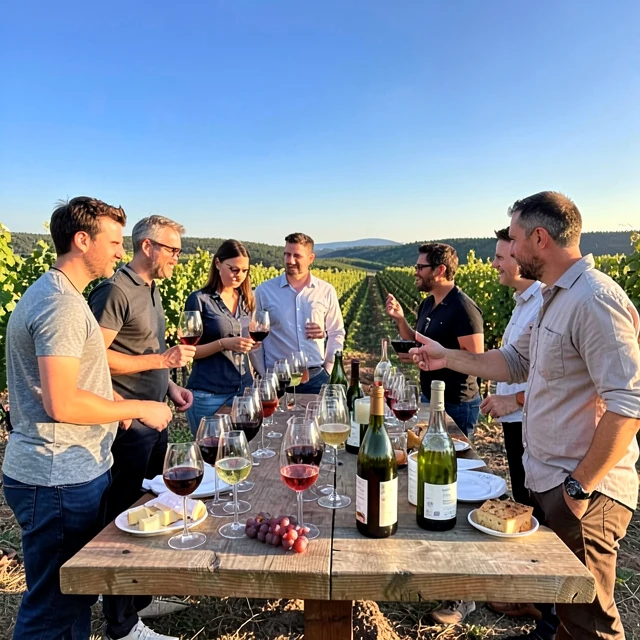
Wine tasting is more than just drinking. It's about using your senses to enjoy every sip. I remember my first tasting event. The room buzzed with excitement as we explored different wines. You don't need to be an expert to start. Anyone can learn the basics and have a great time.
Think of it as an adventure. Each wine tells a story about where it comes from and how it was made. The art of wine tasting helps you appreciate that story. Whether you're at a vineyard or home with friends, it brings people together.
Getting Ready for Wine Tasting
Start with the right setup. Choose a quiet spot with good light. Use clear glasses that narrow at the top. They help capture the smells. Pour just a small amount, about two ounces, into each glass.
Taste from light to heavy wines. Begin with whites, then rosés, and end with reds. This keeps your taste buds fresh. Have water and plain crackers nearby to clean your palate between sips.
Personal tip: Keep a notebook. Jot down what you like or don't like. Over time, you'll spot patterns in your tastes.
The Steps: See, Swirl, Smell, Sip, Savor
Follow these five steps to master the art of wine tasting.
First, see the wine. Hold your glass against a white background. Check the color. Whites range from pale yellow to deep gold. Reds go from light ruby to dark purple. Color hints at age and type.
Next, swirl the wine. This mixes in air and releases smells. Hold the stem and gently circle the glass. Watch the 'legs' – the drops that run down the sides. Thicker legs often mean more alcohol or sugar.
Now, smell it. Stick your nose in the glass and take a deep sniff. What do you notice? Fruits like berries or citrus? Maybe herbs or earth? Smells build excitement for the taste.
Then, sip. Take a small amount and let it roll around your mouth. Notice sweet, sour, bitter, and salty tastes. Feel the texture – is it smooth or grippy?
Finally, savor. Swallow or spit if you're tasting many. Think about the aftertaste. Does it linger? What flavors stick around?
Practice these steps, and you'll get better fast. For more on tasting techniques, check out this guide from Cornell University.
Spotting Flavors and Aromas
Wines have many flavors. Whites might taste like apple, lemon, or vanilla. Reds could have cherry, chocolate, or spice notes. Aromas come from grapes, winemaking, and aging.
Train your nose with everyday items. Sniff fruits at the market or spices in your kitchen. It sharpens your senses for wine.
I once mistook a wine's earthy smell for mushrooms. Turns out, it was a sign of good aging. Experiences like that teach you a lot.
Common Mistakes and How to Fix Them
Don't rush. Take time with each step. Avoid strong scents like perfume that mask wine aromas.
Don't fill glasses too full. It makes swirling hard. Skip heavy foods early on; they dull your taste.
If you're new, don't worry about fancy terms. Describe in your own words. 'Tastes like summer fruit' works just fine.
Food and Wine Pairing Made Simple
Pairing food and wine boosts both flavors. Match light foods with light wines, heavy with heavy.
Basic rule: Acid in wine cuts rich foods. Tannins in red wine pair with fatty meats.
Try these pairings:
- Seafood: Crisp white like Sauvignon Blanc
- Steak: Bold red like Cabernet Sauvignon
- Cheese: Versatile Chardonnay
- Dessert: Sweet wine like Riesling
Science backs this up. Umami in food enhances wine tastes. Learn more from this NIH study on flavor pairing.
Here's a simple table for quick reference:
| Food Type | Recommended Wine | Why It Works |
|---|---|---|
| Grilled Fish | Pinot Grigio | Light and zesty match |
| Pasta with Tomato Sauce | Chianti | Acid balances acid |
| Dark Chocolate | Port | Sweet meets sweet |
| Roasted Vegetables | Merlot | Soft tannins complement earthiness |
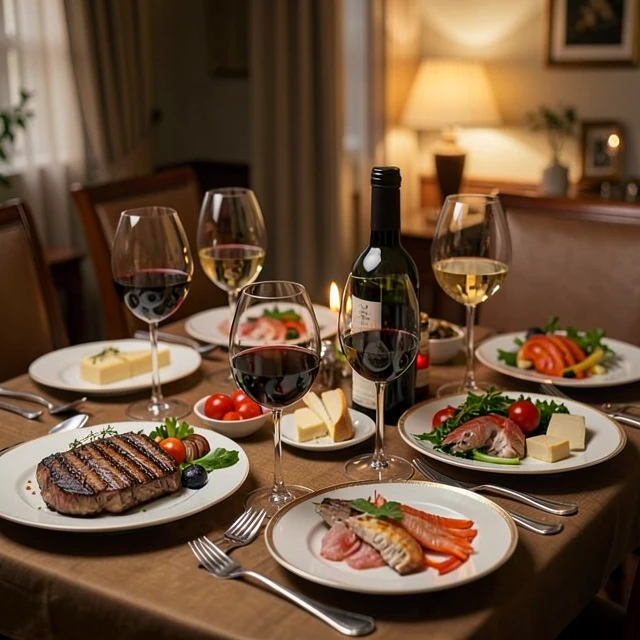
Experiment at home. Start with what you have. Food and wine pairing made simple means no strict rules – just what tastes good to you.
Discover the Best Wines from Jackson Family Wines
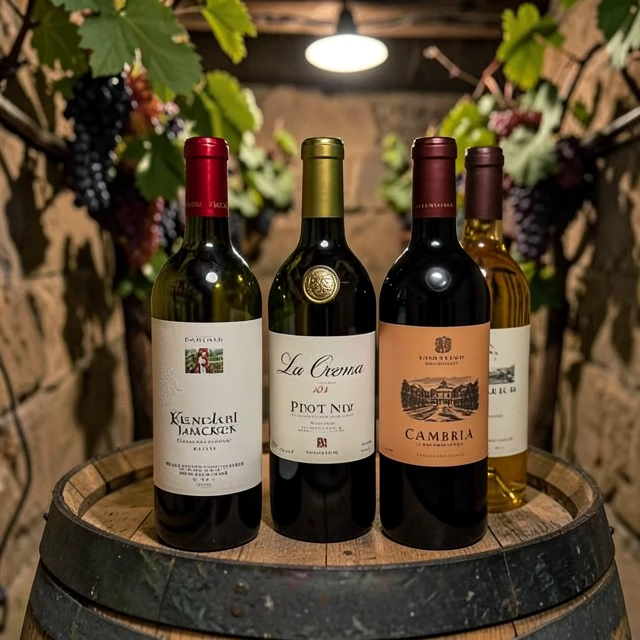
Jackson Family Wines offers some top picks for any tasting. Their Kendall-Jackson Vintner's Reserve Chardonnay stands out. It's smooth with apple and tropical notes. Many call it America's favorite Chardonnay.
Try La Crema Pinot Noir for reds. It has berry flavors and a silky feel. Perfect for pairing with salmon or chicken.
Cambria Katherine's Vineyard Chardonnay is another gem. Crisp and elegant, it shines with seafood.
These best wines from Jackson Family Wines come from California's prime spots. They focus on quality and land respect. For deeper insights, see this UC Press book on pairings.
Host Your Own Wine Tasting
Gather friends and pick a theme, like California wines. Include some from Jackson Family Wines.
Set up stations with info cards. Play soft music and keep it casual.
Share stories. My home tastings always end with laughs and new favorites discovered.
Wrapping Up
The art of wine tasting is about joy and discovery. From basic steps to smart pairings, you've got tools to start. Remember, the best wine is one you enjoy. Keep exploring and sharing your finds.