How Climate Change is Affecting the Wine Industry
The wine industry faces major shifts due to rising temperatures, changing rainfall patterns, and extreme weather. These changes alter grape ripening, wine styles, and where grapes grow best. Up to 70% of current wine regions could become unsuitable if warming exceeds 2°C above pre-industrial levels, according to research. Yet, winemakers adapt with smart farming and eco practices to protect quality and the planet.
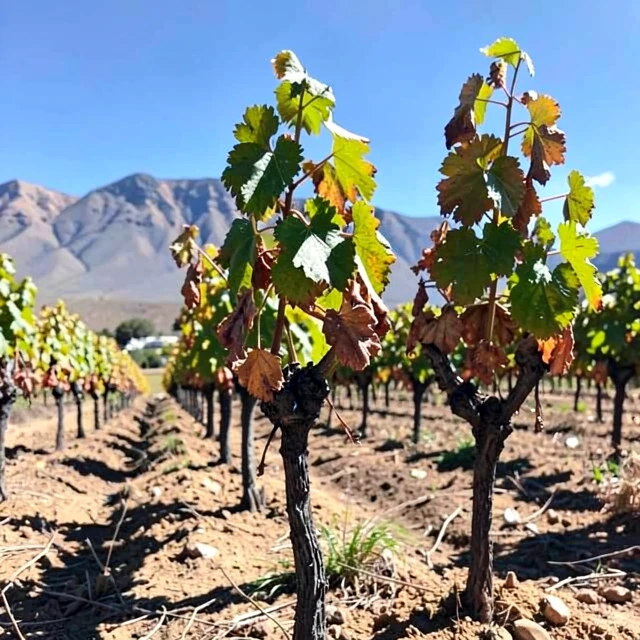
Warmer weather speeds up grape ripening. Grapes reach sugar maturity faster, but often before flavors fully develop. This leads to higher alcohol levels, lower acidity, and wines that taste jammy or cooked instead of fresh and balanced. In places like California and southern Europe, heat waves scorch leaves and dry out berries, cutting yields.
Extreme events add more trouble. Wildfires create smoke taint, where smoke compounds stick to grapes and ruin wine flavor. Droughts force tough choices on irrigation, while heavier rains in some areas bring floods or fungal diseases like mildew.
A study in Nature Reviews Earth & Environment reviews over 200 papers and warns that mid-latitude regions—home to classics like Bordeaux and Napa—face big risks. If warming hits +2°C, many traditional spots could struggle to make high-quality wine economically. New areas farther north or at higher elevations might open up, like parts of England or Canada. For more details, see the comprehensive review on climate change impacts and adaptations of wine production.
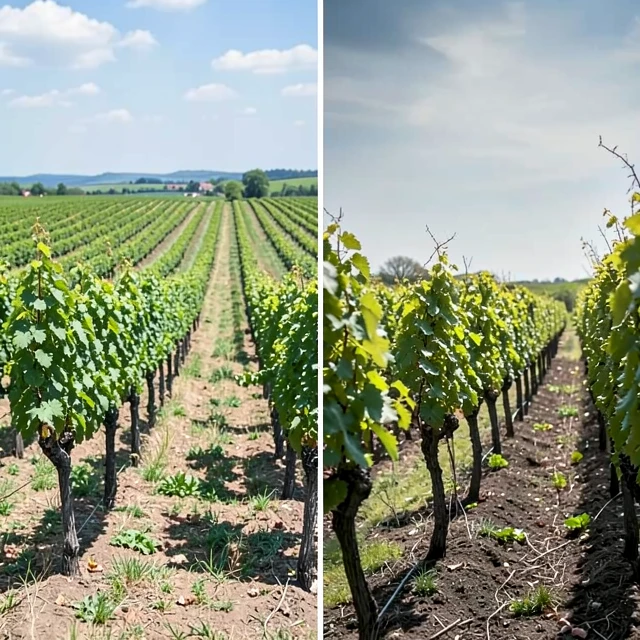
Water scarcity hits hard. Wine grapes need careful water management, especially in dry regions. Overuse strains local supplies.
Modern winemakers turn to water conservation techniques in modern winemaking. Drip irrigation delivers water straight to roots, cutting waste by up to 50%. Soil moisture sensors guide when and how much to water. Some reuse winery water after treatment or capture rainwater. Deficit irrigation stresses vines slightly on purpose to boost grape flavor concentration while saving water.
These steps help vineyards stay productive even when rain falls less or temperatures rise.
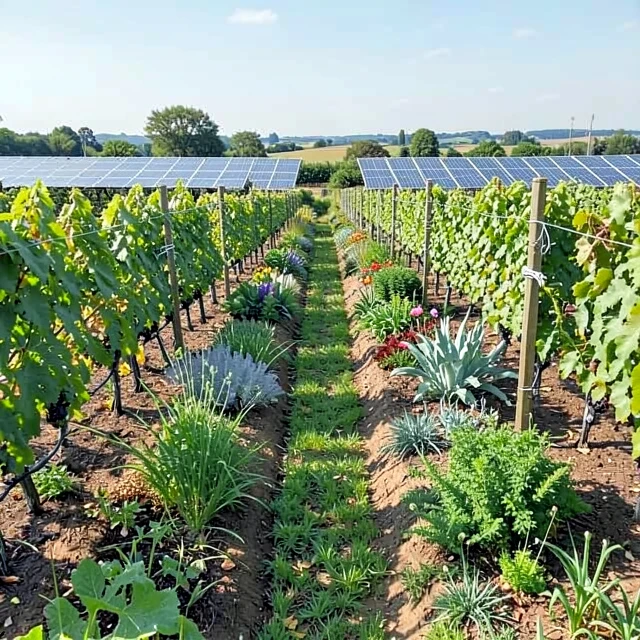
The Impact of Eco-Friendly Vineyards goes beyond saving water. Practices like cover crops prevent erosion, boost soil carbon, and support biodiversity. Organic methods skip harsh chemicals, letting natural systems thrive. Regenerative farming rebuilds soil health, making vines tougher against extremes.
These approaches cut greenhouse gas emissions and store carbon in soil. They help fight climate change while improving wine quality through better terroir expression.
Jackson Family Wines: Inside Their Sustainability Journey stands out as a leader. This major family-owned group launched "Rooted for Good" in 2021. They aim to halve carbon emissions by 2030 and become climate positive by 2050—no offsets needed. They built the largest solar array in U.S. wine, powering much of operations.
They push regenerative farming across estates, restore habitats, and conserve water—saving millions of gallons yearly. As co-founders of International Wineries for Climate Action, they share tools industry-wide.
sustainable practices at Jackson Family Wines include real-time water monitoring, UV sanitation to skip water-heavy cleaning, and floodwater diversion to recharge groundwater. Their work shows big players can drive change.
Here are key adaptation strategies winemakers use:
- Switch to heat-tolerant grape varieties or rootstocks
- Adjust canopy management for better shade
- Plant at higher elevations or cooler sites
- Use precision tech for irrigation and monitoring
- Build soil health to retain moisture
These steps demand investment, but they safeguard quality and future viability.
The wine world changes fast. Traditional regions adapt or risk decline, while new spots emerge. Sustainability becomes essential—not optional. By embracing eco practices, the industry protects its heritage and builds resilience.