The History of Wine: From Ancient Times to Today
Wine has shaped cultures for thousands of years. From ancient rituals to today's global industry, this drink connects us to our past. Join me as we trace its path through time.
Ancient Beginnings
People first made wine around 6000 BCE in the Caucasus region, now parts of Georgia and Armenia. They discovered that wild grapes could ferment into a tasty drink. I imagine early hunters stumbling upon fermented fruit and feeling that first buzz. It must have felt like magic.
Archaeologists found clay jars with wine residue from this era. These early wines were simple, made by crushing grapes and letting nature do the work. They stored the liquid in pots buried in the ground to keep it cool.
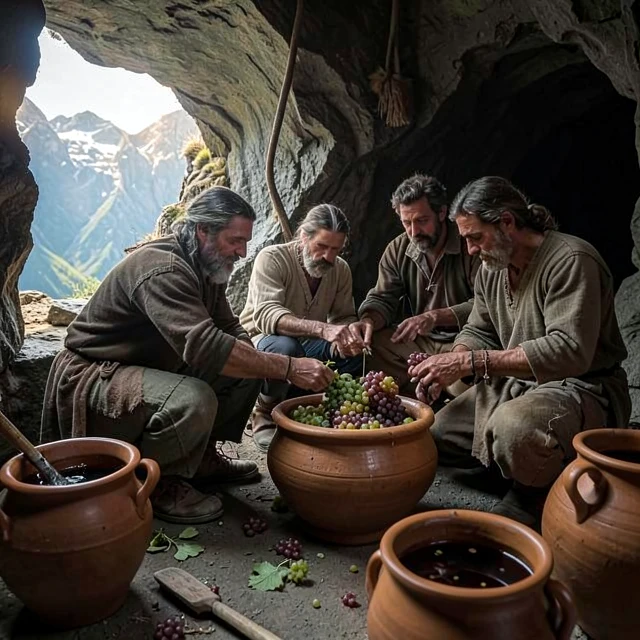
As communities grew, wine spread to Mesopotamia and Egypt by 3000 BCE. In Egypt, pharaohs buried wine jars in tombs for the afterlife. Mesopotamians used wine in religious ceremonies. It became more than a drink—it symbolized life and joy.
Greeks took winemaking to new heights around 2000 BCE. They grew vines and traded wine across the Mediterranean. Dionysus, their god of wine, showed how central it was to their fun and festivals.
The Roman Influence
Romans loved wine and spread it far. From 1000 BCE onward, they improved techniques like pruning vines for better grapes. They made wine in large quantities and shipped it in clay amphorae.
Roman wine differed from ours. They added herbs, resin, or seawater for flavor. People diluted it with water before drinking. If I could time travel, I'd try a sip, but it might taste odd compared to today's clean flavors.
Wine helped Romans conquer and connect. Soldiers carried vines to new lands, planting them in France, Spain, and Germany. These areas became famous wine regions.
| Key Milestones in Wine History | | --- | --- | | 6000 BCE | First wine production in Caucasus | | 3000 BCE | Wine in Egyptian tombs | | 2000 BCE | Greeks cultivate vines | | 100 BCE | Romans spread wine across Europe | | 1500s | Wine reaches the New World |
Middle Ages and Renaissance
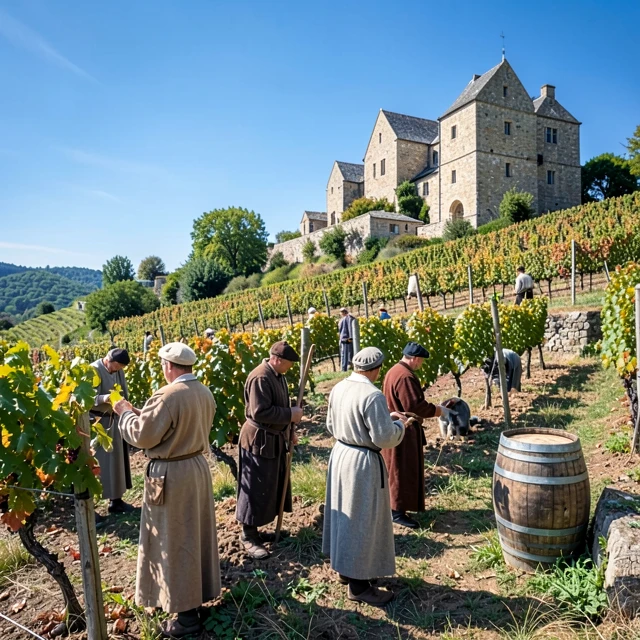
After Rome fell, monks kept winemaking alive. In European monasteries, they experimented with grapes and soils. They found the best spots for growing, like Burgundy in France.
Wine stayed important in religion. Christians used it in communion. By the Renaissance, around the 1400s, trade boomed. People started classifying wines by quality.
I've visited old monasteries in Europe. Standing in those vineyards, you feel the history. Monks' careful work laid the foundation for fine wines we enjoy now.
The New World and Modern Era
Explorers brought vines to the Americas in the 1500s. Spanish missionaries planted them in Mexico and California. By the 1800s, wine thrived in Australia, South Africa, and the U.S.
The 19th century brought challenges like phylloxera, a pest that destroyed vines. Growers grafted European vines onto American roots to save them. This teamwork changed the industry.
Today, technology helps. Machines harvest grapes, and science controls fermentation. But many winemakers stick to traditional ways for unique tastes.
Wine Brands in the Modern World
Modern wine brands blend tradition with innovation. Take Jackson Family Wines, founded in 1974 by Jess Jackson. This family-run company focuses on cool coastal vineyards worldwide. They produce distinct wines shaped by the land.
Jackson Family Wines offers special editions that highlight unique grapes and methods. Their commitment to sustainability, like the 'Rooted for Good' plan, ensures the earth stays healthy for future generations. I've tasted their wines—they capture the essence of place beautifully.
Other wine brands push boundaries too. From small family estates to big names, they offer something for everyone.
A Beginner's Guide to Wine Tasting
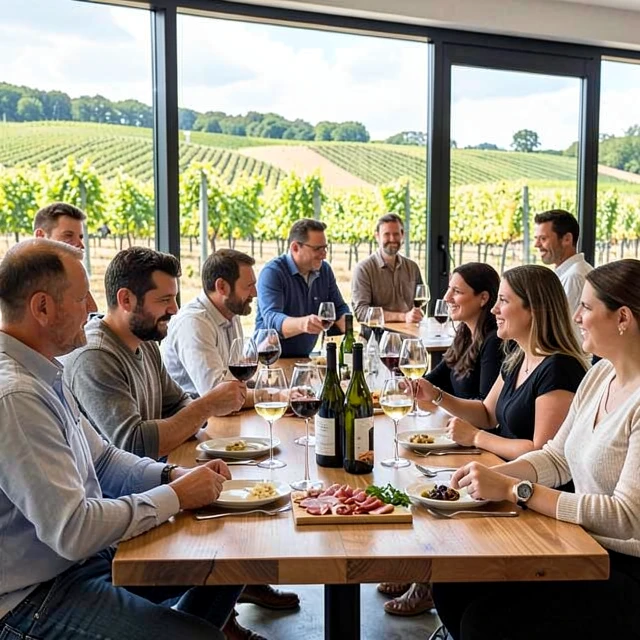
Want to dive deeper? Let's talk about tasting wine. It's fun and easy once you know the steps.
First, look at the color. Hold your glass against a white background. Red wines range from ruby to brick. Whites go from pale yellow to gold.
Next, swirl the glass. This releases smells. Sniff deeply. You might catch fruits, flowers, or earth.
Now, sip. Let it roll over your tongue. Note sweetness, acidity, and tannins—the drying feel in reds.
Finally, swallow or spit if tasting many. Think about the aftertaste.
- Start with light wines and move to bold ones.
- Pair with food: Try cheese with reds.
- Take notes on what you like.
- Don't rush; enjoy the moment.
My first tasting felt awkward, but practice made it second nature. Trust your senses—they're your best guide.
Wrapping Up the Journey
Wine's history shows our love for discovery and sharing. From ancient jars to today's bottles, it evolves but stays timeless. Next time you sip, think of the path it took.
For more depth, check sources like Wikipedia's History of Wine or explore wine regions yourself.