AI in Winemaking: The Next Big Thing Transforming Vineyards and Bottles
Quick Overview
AI in winemaking is emerging as the next big thing, blending ancient craft with cutting-edge technology. From smarter vineyards to consistent quality in every bottle, AI helps winemakers produce better wine while tackling challenges like climate change. This shift promises more sustainable, precise, and enjoyable wines for everyone. (Word count approx. 45)
Why AI Matters in Winemaking Today
Winemaking has always mixed art and science. Growers watch vines closely, taste grapes, and adjust during fermentation based on experience. But weather changes, diseases, and rising costs make things harder. AI steps in as a powerful helper.
It analyzes huge amounts of data quickly—things humans can't track every second. Sensors in vineyards feed info on soil, weather, and vine health. AI spots patterns and suggests actions. This leads to healthier grapes and less waste.
Precision Viticulture: Smarter Vineyards
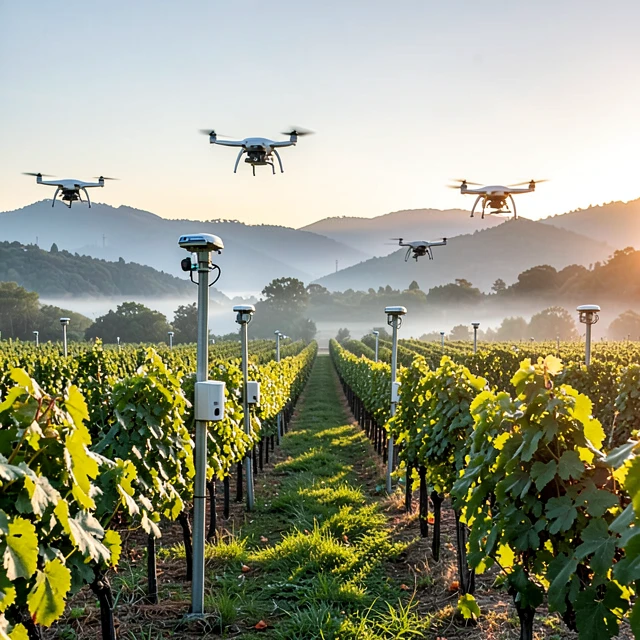
Precision viticulture uses AI for targeted care. Drones and sensors map every vine. AI predicts water needs, spots disease early, or finds the best harvest time.
This cuts water use by up to 20-30% in some cases and reduces pesticides. Farmers apply treatments only where needed. It's good for the environment and the wallet.
Key Benefits of AI in Vineyards: - Real-time soil moisture tracking - Early disease detection via image analysis - Yield prediction for better planning - Optimized irrigation schedules
These tools make farming more efficient and sustainable.
Leading wine brands adopt this tech. For example, large producers use satellite data and AI to monitor vast areas. This academic review on smart viniculture details how AI improves vineyard management and resource optimization.
AI During Fermentation and Production
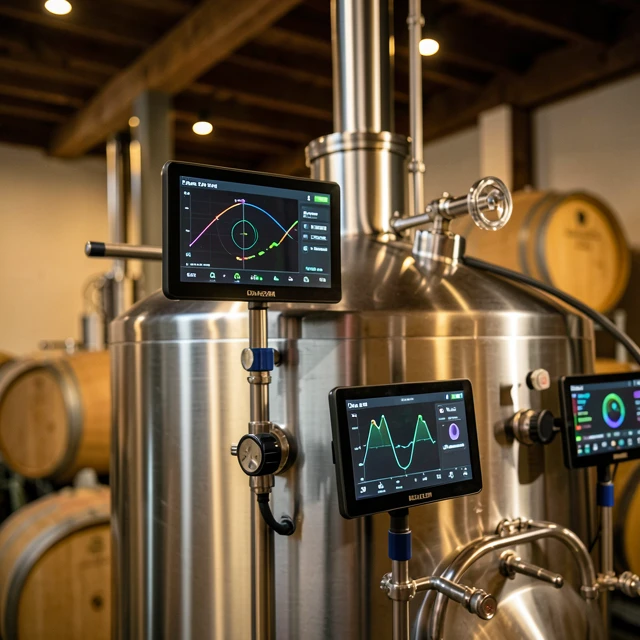
Fermentation turns grape juice into wine—it's delicate. Temperature, sugar levels, and yeast activity must stay perfect. AI monitors tanks in real time.
Systems predict issues like stuck fermentation before they happen. They suggest tweaks for better flavor. Some AI even helps blend wines by analyzing chemistry and taste profiles.
This consistency means every bottle tastes closer to the winemaker's vision. It reduces losses and improves quality across batches.
Top Trends in Wine Technology (Evolving from 2023 Onward)
Back in the early 2020s, people talked about Top Trends in Wine Technology for 2023, including AI basics like data analytics. Now in 2026, those trends have grown stronger.
- AI-driven personalization for consumers
- Predictive analytics against climate risks
- Automation in harvesting and sorting
- Sustainability tracking from vine to bottle
AI helps fight climate change by modeling weather impacts and suggesting resilient practices.
Leading Examples from Wine Brands
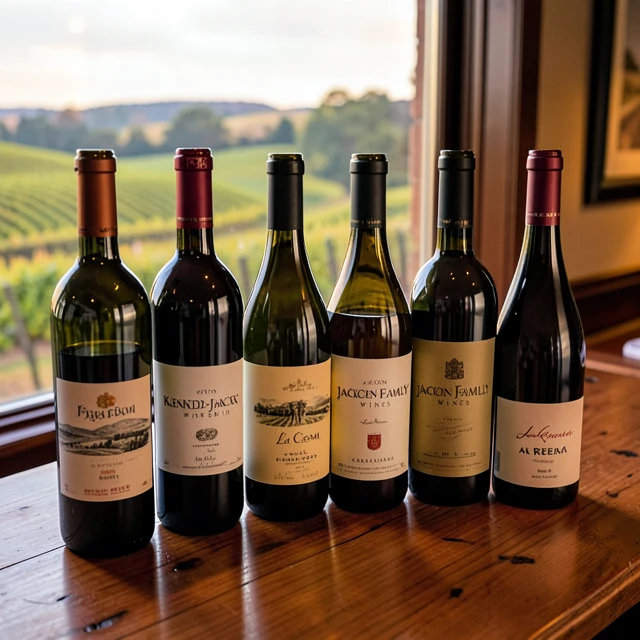
Big players lead the way. Jackson Family Wines stands out with its focus on innovation. They use advanced tools for sustainability and better customer experiences. Check out the Jackson Family Wines online store to explore their wine brands like Kendall-Jackson and La Crema.
Other wineries experiment with AI for blending and quality checks. These efforts show how tech keeps traditions alive while pushing forward.
Challenges and the Human Touch
AI isn't perfect. It needs good data and setup costs can be high for small wineries. Plus, wine is about feel and tradition—AI supports but doesn't replace the winemaker's nose and palate.
I've tasted wines from AI-assisted batches; they often show more balance and fewer flaws. The best results come when tech and human expertise team up.
For deeper reading on AI's role in quality evaluation, see this Harvard Data Science Review piece on AI applications in wine.
The Future Looks Bright
AI in winemaking is truly the next big thing. It promises more sustainable vineyards, consistent quality, and exciting new flavors. As tools get better and cheaper, even smaller producers can join in.
The wine world stays rooted in nature but gains from smart tech. This blend creates wines that delight both experts and casual drinkers.
Summary
AI transforms winemaking by bringing precision to every step—from growing grapes to bottling. It helps manage risks, save resources, and improve quality. Brands like those from Jackson Family Wines show how to blend tradition with innovation. The future holds even more exciting changes for wine lovers everywhere.