Sustainable Agriculture in Wine Production: A Path to Better Wines and a Healthier Planet
Overview
Sustainable agriculture in wine production balances great taste with care for the earth. Growers use methods that protect soil, save water, and cut chemicals while making high-quality wines. This approach benefits the planet, workers, and your glass. In places like Napa Valley, it's leading the way forward.
Wine lovers today care about more than flavor. They want wines that respect nature. Sustainable Agriculture in Wine Production focuses on three pillars: environmental health, social fairness, and economic strength. It goes beyond organic by including water conservation, energy use, and community support.
Why Sustainability Matters in Wine
Vineyards face big challenges. Climate change brings droughts, wildfires, and shifting seasons. Traditional methods often rely on heavy pesticides and lots of water. These harm soil, wildlife, and rivers.
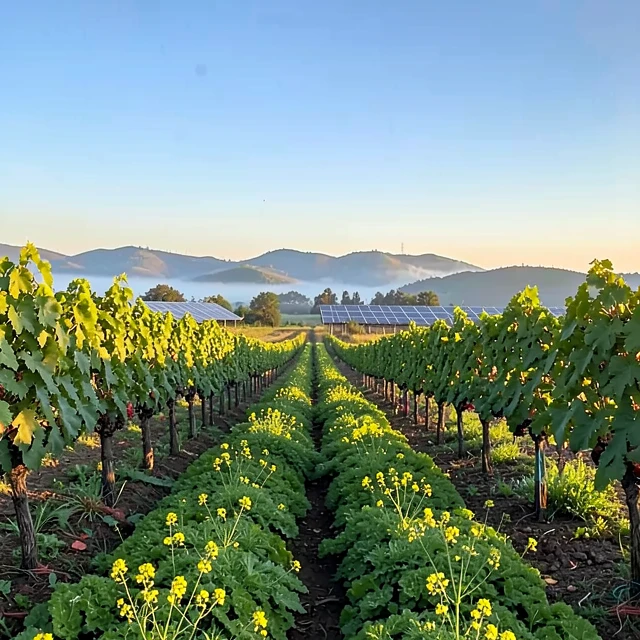
Sustainable practices fight back. Growers plant cover crops to hold soil in place and feed the earth naturally. They use compost instead of synthetic fertilizers. Beneficial insects control pests without chemicals. These steps build healthier vines that produce better grapes.
Water is a key focus. Many wineries capture rainwater, recycle process water, and use drip irrigation. This cuts usage by huge amounts. Energy comes from solar panels and efficient buildings. Waste gets composted or recycled. The result? Lower carbon footprints and stronger ecosystems.
Exploring Napa Valley’s Green Wineries
Napa Valley leads in sustainable wine. Programs like Napa Green certify vineyards and wineries for top practices. Over 90 wineries hold these certifications, covering thousands of acres.
Wineries here use regenerative methods. They plant native plants for biodiversity. They reduce tilling to keep carbon in the soil. Places like Frog's Leap and Grgich Hills show how organic and biodynamic farming create exceptional wines while healing the land.
One standout is Beringer. This historic estate has embraced sustainability for years. Their vineyards use cover crops like mustard to boost soil health and attract helpful insects. They run on large solar arrays—one of the biggest in U.S. wineries. Beringer reuses water and supports growers in eco-friendly methods. Their efforts prove you can make world-class wines responsibly.
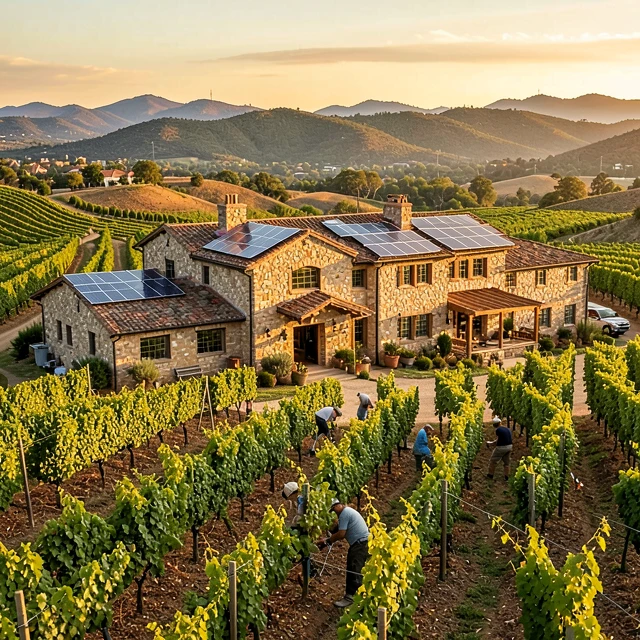
Visiting these spots feels special. You see the land thriving. Exploring Napa Valley’s Green Wineries offers tours that highlight these practices. You learn how choices in the vineyard shape the bottle.
A Guide to Sustainably Sourced Wines
Choosing sustainable wines is easier than ever. Look for certifications:
- Napa Green or California Sustainable Winegrowing for broad eco-standards.
- Organic or Biodynamic for stricter no-chemical rules.
- Regenerative labels for soil-building focus.
Check labels or apps for details. Many stores highlight these wines.
Start with trusted names. Beringer offers excellent options. Their wines come from sustainable vineyards. Try their Cabernet Sauvignon or Chardonnay—rich flavors from cared-for land.
For tasting, join Beringer wine tasting events. They host estate tours, seasonal events, and special tastings at the historic Rhine House. These experiences connect you to the story behind each sip.
Here are tips for enjoying sustainably sourced wines: - Buy local or from certified producers to cut transport emissions. - Choose lightweight bottles when possible. - Support wineries that share their practices openly. - Pair with seasonal, local foods for a full eco-meal.

Sustainable wines often taste more vibrant. Healthier soils mean grapes express their terroir better. Many people notice deeper flavors and balance.
Personal Insights from the Vineyard
I've walked Napa rows in spring, seeing yellow mustard blooms everywhere. These cover crops aren't just pretty—they feed bees and fix nitrogen naturally. At Beringer, the solar panels hum quietly while workers prune vines by hand. It's inspiring to see tradition meet modern care.
One visit taught me how much water recycling saves. Wineries reuse almost everything, protecting local streams. These small steps add up to big change.
The future looks bright. More wineries aim for net-zero emissions. Regenerative practices pull carbon from the air. Consumers drive this shift by choosing wisely.
Summary
Sustainable Agriculture in Wine Production creates wines we love while guarding the planet. From Napa Valley’s green leaders to pioneers like Beringer, the industry shows real progress. Next time you pour a glass, think about the land behind it. Choose sustainable—your palate and the earth will thank you.