The Importance of Terroir in Winemaking
Overview
Terroir is the magic mix of soil, climate, and place that gives each wine its special taste. In winemaking, it explains why no two bottles are exactly alike. This article dives into The Importance of Terroir in Winemaking and shares tips for wine lovers.
Have you ever sipped a glass of wine and wondered why it tastes like the earth, the sun, or even the breeze from a far-off hill? That's terroir at work. It's a French word that means the full environment where grapes grow. Winemakers swear by it because it makes their wines stand out.
Terroir isn't just one thing. It's a blend of factors that come together to create something unique. Think of it as the fingerprint of a vineyard. No matter how skilled the winemaker, terroir sets the stage.
What is Terroir?
At its core, terroir covers the soil, weather, land shape, and even the people involved. It's why a Pinot Noir from Burgundy tastes different from one in Oregon. The land speaks through the grapes.
Soil plays a big role. Clay holds water well, making rich wines. Sandy soils drain fast, leading to lighter tastes. Limestone adds minerality, that crisp, stony note in many European wines.
Climate is another key player. Warm days and cool nights help grapes ripen slowly, building complex flavors. Too much rain can dilute the juice, while drought stresses vines for concentrated tastes.
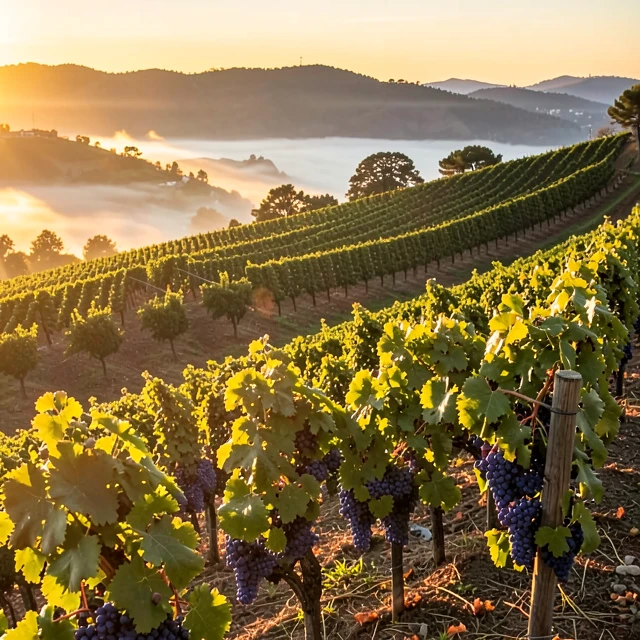
Topography matters too. Hillsides get more sun and better drainage than flat lands. South-facing slopes in the northern hemisphere catch extra warmth, speeding up ripening.
Don't forget the human side. Farmers choose grape types that fit the land. They prune vines, pick at the right time, and use methods passed down for generations. This touch adds to the story in every bottle.
As explained in 'What Is Terroir and Why It Matters - Wine Spectator', this concept goes beyond science—it's about the soul of the wine. Check it out for more details: Wine Spectator Article.
Why Terroir Matters in Winemaking
Terroir helps wines express their origin. It creates variety in a world full of choices. Wine lovers seek out these differences, turning a simple drink into an adventure.
For winemakers, understanding terroir means better decisions. They match grapes to soil types. They adjust for weather changes. This leads to higher quality and sustainability.
In a changing world, terroir faces challenges. Warmer temperatures shift growing zones. Winemakers adapt by planting at higher altitudes or trying new varieties.
Take France's Bordeaux region. Its gravel soils and mild climate produce bold reds. Compare that to New Zealand's Marlborough, where cool breezes make zesty Sauvignon Blancs. Each place tells its own tale.
I've tasted this firsthand on a trip to California's Sonoma County. The foggy mornings and rocky earth gave the Chardonnay a bright, apple-like zip. It felt like drinking the landscape.
How Climate Shapes Wine: A Terroir Deep Dive
Climate isn't just temperature—it's rainfall, wind, and sunlight hours. These shape grape skins, sugar levels, and acids.
Hot climates make ripe, jammy wines. Cooler ones keep things fresh and elegant. But extremes can harm vines, so balance is key.
A table of climate effects:
| Climate Type | Wine Characteristics | Example Regions |
|---|---|---|
| Cool | High acidity, light body | Burgundy, France |
| Moderate | Balanced flavors | Napa Valley, USA |
| Warm | Full-bodied, high alcohol | Barossa Valley, Australia |
Wind can dry grapes, concentrating flavors. Rain at harvest time risks rot, so timing picks is crucial.
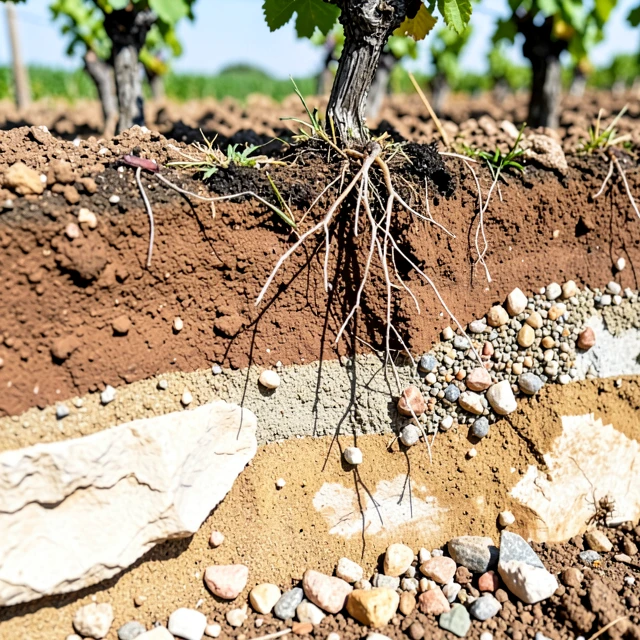
Personal insight: During a vineyard walk in Italy, I saw how volcanic soil in Sicily adds a smoky edge to Nero d'Avolo. It's proof that dirt isn't just dirt—it's flavor in the making.
Organic Practices and Terroir
Many winemakers go organic to honor terroir. Avoiding chemicals lets the land's true nature shine. Jackson Family Wines leads here with their sustainable methods.
In 'Jackson Family Wines: Organic Vineyard Secrets', they share how cover crops and natural pest control enhance soil health. This boosts terroir expression in their wines.
For more, read their story: /articles/jackson-family-wines-organic-vineyard-secrets.
Organic farming builds resilient vines. Healthy soil microbes help grapes absorb nutrients, leading to deeper flavors. It's a win for the environment and the glass.
Actionable Insights for Wine Enthusiasts
Want to experience terroir? Start with tastings. Compare wines from the same grape but different places.
- Try a French vs. California Cabernet.
- Note soil influences in tasting notes.
- Visit vineyards to see terroir up close.
When buying, look for labels mentioning single vineyards. These highlight terroir purity.
Home experiment: Plant herbs in different pots with varied soils. Taste the difference—it's terroir on a small scale.
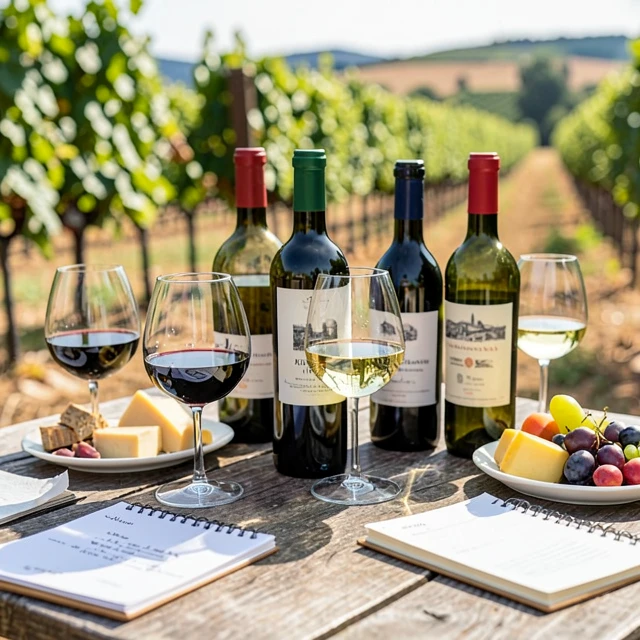
In my experience, joining a wine club exposes you to terroir variety. One shipment had wines from coastal and mountain sites—night and day in taste.
Challenges and Future of Terroir
Climate change tests terroir. Some regions may lose their signature styles. Winemakers innovate with hybrid grapes or irrigation tweaks.
Preserving terroir means protecting land. Laws in Europe limit changes to keep traditions alive.
Looking ahead, technology helps. Drones map soil, sensors track weather. But nothing replaces the winemaker's intuition.
Summary
Terroir is the heart of winemaking, blending nature and skill for unforgettable wines. Embrace it to deepen your appreciation. From soil to sip, it's what makes wine special.