Exploring Different Varieties of Merlot: A Tasting Journey
Overview
Merlot is a beloved red wine known for its smooth, fruity flavors and versatility. From the lush vineyards of Napa Valley to the historic estates of Bordeaux, exploring different varieties of Merlot offers a delightful journey for wine lovers. This guide dives into Merlot’s unique characteristics, with a special focus on Beringer Merlot, a standout among wine brands, and provides practical tips for savoring every sip.
Why Merlot Stands Out
Merlot’s charm lies in its approachability. Unlike bolder reds like Cabernet Sauvignon, Merlot offers soft tannins and a velvety texture that welcomes both new and seasoned wine drinkers. Its fruit-forward profile, often bursting with plum, black cherry, and raspberry, makes it a crowd-pleaser. Whether you’re sipping a glass at a casual dinner or pairing it with a gourmet meal, Merlot adapts effortlessly.
As someone who’s tasted countless wines over the years, I find Merlot’s balance of richness and smoothness captivating. It’s like a warm conversation with an old friend—comforting yet full of depth. Exploring different varieties of Merlot reveals how this grape thrives in diverse regions, each adding its own twist to the flavor.
Merlot Around the World
Merlot’s versatility shines through its global presence. Different regions produce distinct styles, shaped by climate, soil, and winemaking techniques. Here’s a look at some key regions:
- Bordeaux, France: Merlot dominates the Right Bank, especially in Saint-Émilion and Pomerol. These wines are earthy, structured, and often blended with Cabernet Franc. Expect notes of black fruit, tobacco, and spice. According to The Wine Institute, Bordeaux Merlots are prized for their aging potential, developing complex flavors over decades.
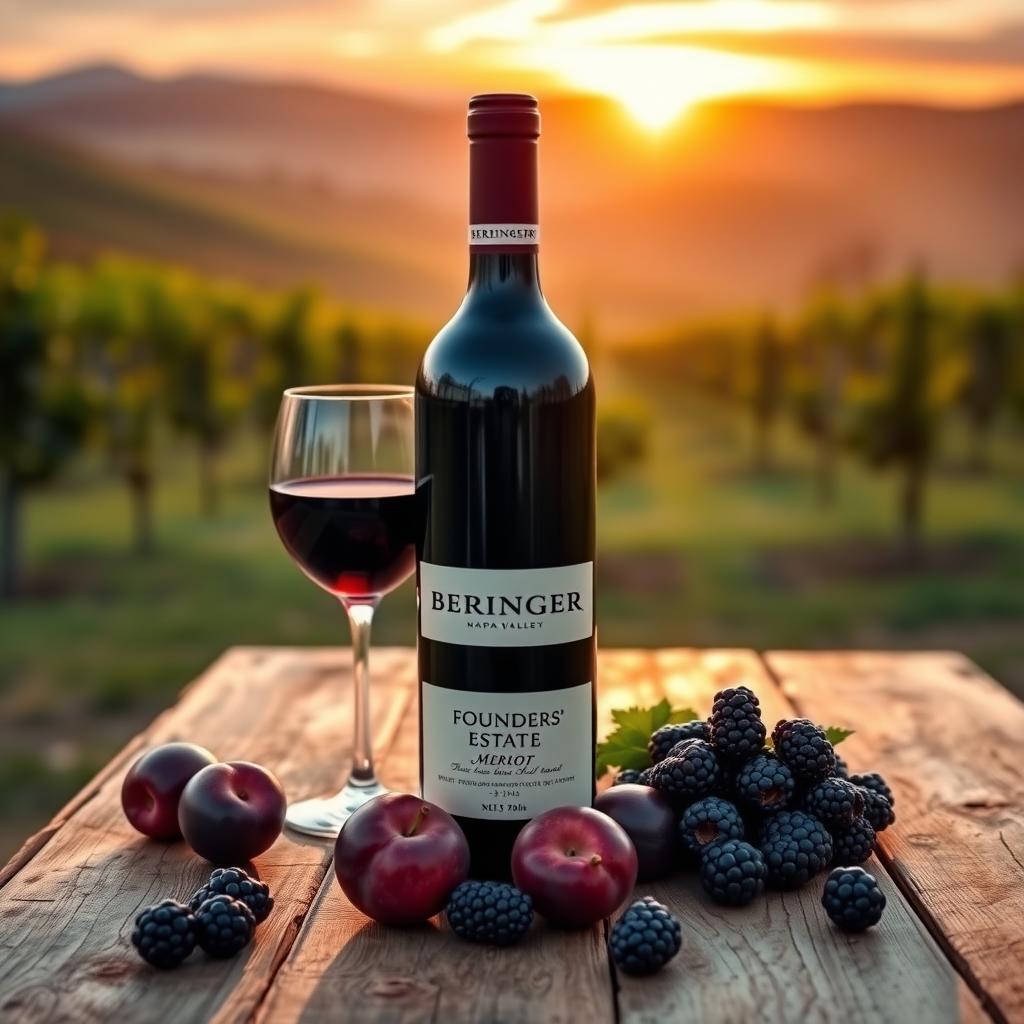
- Napa Valley, California: Napa’s warm climate yields ripe, plush Merlots with bold fruit flavors like black cherry and mocha. Beringer, a Napa Valley icon, crafts some of the finest examples.
- Columbia Valley, Washington: These Merlots balance ripe fruit with acidity, often showing chocolate and berry notes. Washington State University’s Viticulture Program highlights the region’s ideal conditions for Merlot.
- Tuscany, Italy: Merlot plays a starring role in Super Tuscans, blending with Sangiovese for robust, expressive wines.
- Chile: Chilean Merlots, especially from Colchagua, offer herbaceous notes and dark fruit, with a unique meaty quality.
Each region’s Merlot tells a story of its terroir. I recall tasting a Chilean Merlot at a local wine bar—it had this surprising herbal kick that paired perfectly with a grilled steak. Exploring these regional differences is like traveling the world through your glass.
Beringer Merlot: A Tasting Guide
Among wine brands, Beringer stands tall with its rich history and consistent quality. Founded in 1876, Beringer is one of Napa Valley’s oldest wineries, and its Merlot offerings are a testament to its expertise. The Beringer Founders’ Estate Merlot, for example, is a go-to for its approachable price and vibrant flavors.
Tasting Notes
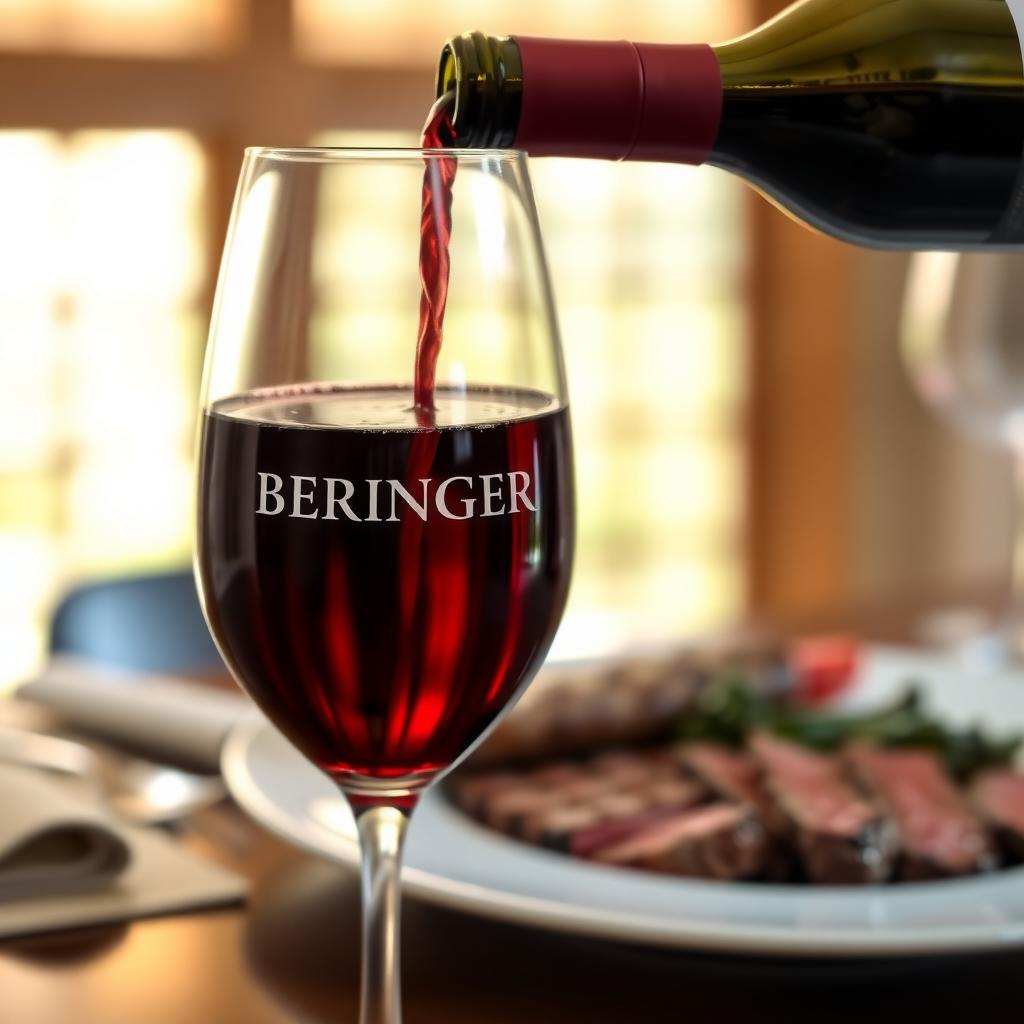
When you pour a glass of Beringer Merlot, expect a deep ruby color that catches the light beautifully. Swirl the glass, and aromas of black cherry, plum, and vanilla waft up, with hints of cedar adding complexity. On the palate, it’s smooth and medium-bodied, with soft tannins and flavors of dark berries, mocha, and toasted oak. The finish lingers with ripe cherries and a touch of spice, inviting another sip. Beringer Vineyards describes its Founders’ Estate Merlot as a perfect balance of fruit and structure.
How to Taste Beringer Merlot Like a Pro
Tasting wine is an art, and Beringer Merlot is a great canvas. Here’s a step-by-step guide:
- Observe the Color: Hold the glass against a white background to check the wine’s hue and clarity. A vibrant ruby suggests youth and vitality.
- Swirl and Sniff: Gently swirl the wine to release its aromas. Take a deep inhale to catch notes of fruit, spice, and oak.
- Sip and Savor: Take a small sip, letting the wine roll over your tongue. Notice the balance of fruit, tannins, and acidity.
- Reflect on the Finish: After swallowing, pay attention to the lingering flavors. Does the fruit persist? Is there a hint of spice?
My first time tasting Beringer Merlot was a revelation. I was struck by how the mocha notes unfolded slowly, like a story revealing itself page by page. Try this process at home to unlock the wine’s full potential.
Pairing Merlot with Food
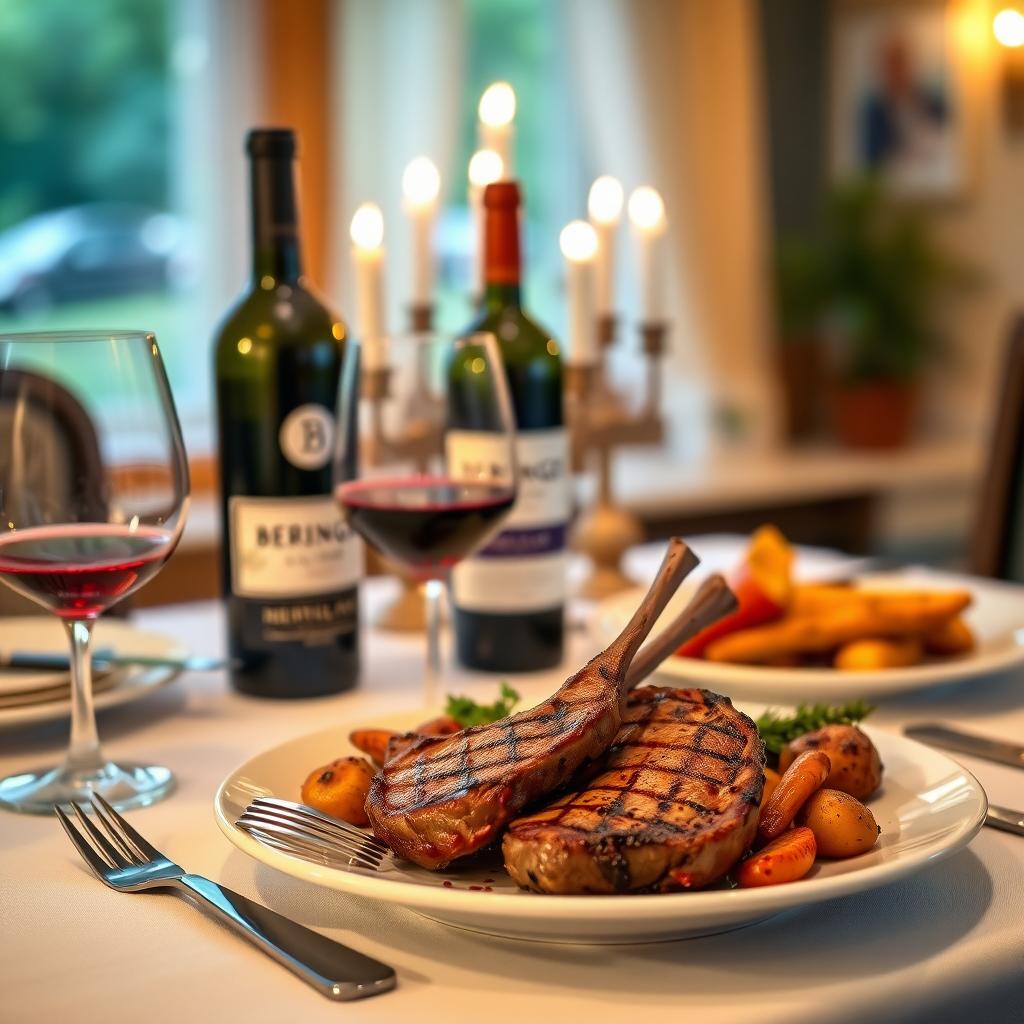
Merlot’s versatility makes it a fantastic partner for food. Its soft tannins and fruit-forward profile complement a wide range of dishes. Here are some top pairings:
| Dish | Why It Works |
|---|---|
| Grilled Steak | The wine’s fruitiness enhances the meat’s richness. |
| Tomato-Based Pasta | Merlot’s acidity balances the sauce’s tang. |
| Roast Chicken | Herbal notes in the wine complement seasoned poultry. |
| Aged Gouda | The cheese’s nuttiness pairs with Merlot’s creamy texture. |
| Dark Chocolate | The wine’s dark fruit notes echo the chocolate’s depth. |
I once paired a Beringer Merlot with a dark chocolate tart, and the combination was divine—the wine’s berry flavors amplified the dessert’s richness. Experiment with these pairings to find your favorite.
Tips for Enjoying Merlot
To get the most out of your Merlot experience, keep these tips in mind:
- Storage: Store bottles horizontally in a cool, dark place (around 55°F) to preserve flavor.
- Serving Temperature: Serve Merlot at 60°F to highlight its aromas and flavors.
- Decanting: Young Merlots like Beringer’s benefit from 15-30 minutes of decanting to open up.
- Glassware: Use a wide-bowled glass to let the wine breathe and enhance its bouquet.
These small steps make a big difference. I’ve found that decanting Beringer Merlot for just 20 minutes transforms the experience, bringing out its full range of flavors.
The Science Behind Merlot’s Appeal
Merlot’s smooth texture and balanced flavors aren’t just chance—they’re rooted in science. The grape’s thin skin results in lower tannins compared to Cabernet Sauvignon, making it softer on the palate. According to a study from Cornell University’s Viticulture Program, Merlot’s early ripening allows it to thrive in cooler climates, contributing to its fresh fruit profile. Winemaking techniques, like oak aging, add layers of vanilla and spice, enhancing complexity.
Personal Reflections
Exploring different varieties of Merlot has been a journey of discovery for me. From the structured elegance of Bordeaux to the bold fruitiness of Napa Valley’s Beringer Merlot, each bottle tells a unique story. What I love most is how Merlot invites you to slow down, savor the moment, and appreciate the craftsmanship behind every glass. Whether you’re a beginner or a connoisseur, Merlot offers something special.
Summary
Merlot’s global appeal comes from its versatility, smooth texture, and rich flavors. Exploring different varieties of Merlot, especially Beringer’s standout offerings, reveals a world of taste and tradition. Use this Beringer Merlot tasting guide to elevate your wine experience, from pairing with food to savoring each sip. Cheers to discovering your favorite Merlot!