Exploring Sonoma's Wine Country: A Travel Guide
Welcome to Sonoma's Wine Country
Nestled just an hour north of San Francisco, Sonoma's Wine Country invites you to unwind amid rolling hills and vine-draped valleys. Unlike its bustling neighbor Napa, Sonoma offers a laid-back vibe where sustainable farming and family-run estates shine. Whether you're chasing bold Cabernets or crisp Chardonnays, this guide helps you craft a perfect adventure. From dawn hikes through misty vineyards to sunset toasts with local cheeses, Sonoma promises memories that linger like a fine vintage.
A Sip of History: Sonoma's Winemaking Roots
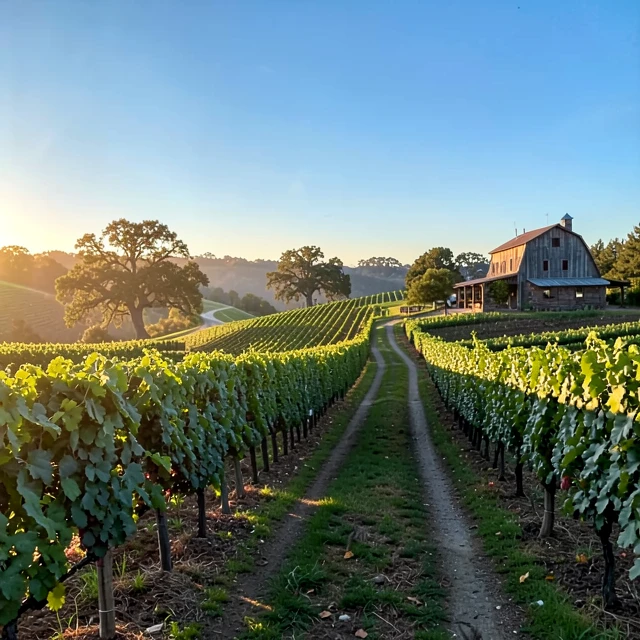
Sonoma's story starts in the 1800s, when pioneers planted Europe's noble grapes in California's fertile soil. By the 1860s, Zinfandel vines took hold here, thriving in the cool coastal fog and volcanic soils. This bold red grape became a staple, making up nearly 40% of the state's vineyards by 1884.
But challenges came with Prohibition in 1919. Wineries shuttered, families sold off land, and expertise faded. In Sonoma's Dry Creek Valley, the Pedroncelli family bought a vineyard in 1927 amid crashing prices, grafting old Zinfandel 'Mother Clones' onto new roots—a move that rebuilt their legacy post-repeal in 1933.
Today, that resilience fuels Sonoma's 425+ wineries across 60,000 acres. For deeper dives, check Zinfandel's Sonoma legacy from UC Davis experts or Prohibition's lasting impact on local vineyards via the Smithsonian.
On my last trip, I stood in a Dry Creek Zinfandel plot, soil rich and red underfoot. The winemaker shared tales of those Prohibition-era survivors—vines still bearing fruit after a century. It hit me: Sonoma isn't just about the bottle; it's about grit and growth.
Navigating Sonoma's Diverse AVAs
Sonoma boasts 19 American Viticultural Areas (AVAs), each with unique soils, climates, and grapes. These pockets create everything from buttery Chardonnays to spicy Zinfandels. Here's a quick rundown:
| AVA | Key Grapes | What to Expect |
|---|---|---|
| Alexander Valley | Cabernet Sauvignon | Warm days yield bold, structured reds with blackberry notes. |
| Russian River Valley | Pinot Noir, Chardonnay | Cool fog crafts elegant, berry-forward wines. |
| Dry Creek Valley | Zinfandel | Jammy, peppery reds from gravelly soils. |
| Sonoma Coast | Pinot Noir | Ocean breezes bring bright acidity and red fruit. |
| Carneros | Pinot Noir, Chardonnay | Windy hills perfect sparkling and still whites. |
For the full official list, see the Alcohol and Tobacco Tax and Trade Bureau's AVA directory.
Start in Russian River for Pinot lovers—its foggy mornings keep grapes crisp. Drive north to Alexander Valley for Cabernet powerhouses. Pro tip: Download a Sonoma AVA map app to plot your route.
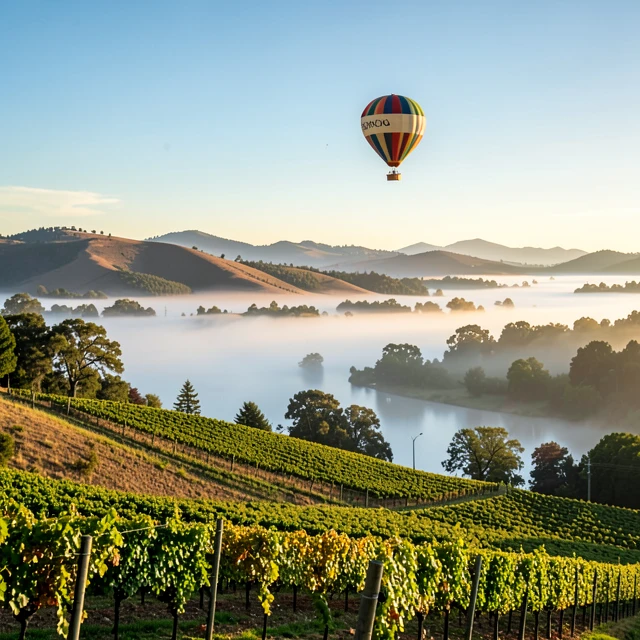
I once spent a foggy morning in Russian River, tasting Pinots that tasted like summer rain on strawberries. The contrast hit when I crested the hills into Dry Creek's sun-baked warmth—Zins there pack a spicy punch. Sonoma's AVAs? They're like chapters in a wine novel, each turning the page with surprise.
Spotlight on Jackson Family Wines: Vineyards and Brands
No Sonoma trip skips Jackson Family Wines, a powerhouse with deep roots in the region. Founded in the 1980s, this family operation spans global estates but calls Sonoma home for many stars. Their commitment to estate vineyards—cool-climate sites for balanced flavors—shines through.
Key Jackson Family Wines vineyards locations in Sonoma include: - Kendall-Jackson Wine Estate & Gardens (Fulton, Russian River Valley): Famous for Vintner's Reserve Chardonnay, with 10 acres of demo gardens showcasing 2,000+ plant species. - La Crema (Windsor, Russian River Valley): Cool-climate Pinots and Chardonnays from Monterey to Sonoma Coast grapes. - Matanzas Creek (Santa Rosa, Bennett Valley): Sauvignon Blanc and Merlot experts, plus a reflexology garden for post-tasting zen. - Stonestreet (Geyserville, Alexander Valley): High-elevation Cabs from 5,500-foot slopes. - Copain (Healdsburg, Yorkville Highlands): Organic Syrahs and Grenaches with a modern tasting barn.
These spots highlight Jackson Family Wines' diverse wine brands, from everyday sippers to collector's gems. Book a garden tour at Kendall-Jackson—it's free and pairs perfectly with their oaky Chard.
Wandering Kendall-Jackson's gardens felt like a living wine lesson. Bees buzzed over lavender as I sipped a flight, chatting with a winemaker about sustainable picks. Jackson Family Wines isn't flashy; it's thoughtful, turning Sonoma's land into bottles that tell its story.
Crafting Your Itinerary: Day-by-Day Adventures
Day 1: Healdsburg Heart
Kick off in Healdsburg's plaza. Stroll boutiques, grab coffee at Flying Goat, then head to Copain for a seated tasting ($45). Afternoon: Hike Mill Creek's trails—easy 2-mile loop with creek views. Dinner at Hired Belly for farm-fresh seafood.
Day 2: Russian River Ramble
Drive to Guerneville. Kayak the river ($30/hour), picnic with La Crema wines. Visit Armstrong Redwoods for towering ancients. Evening: Live music at Rio Nido Roadhouse—casual BBQ and brews.
Day 3: Coastal Close
Wind along Highway 1 to Jenner. Taste at Fort Ross Winery overlooking the sea. Forage mushrooms in Salt Point State Park (permit-free!). End at Bodega Bay's duck-fettuccine at Terrapin Creek Cafe.
Pack layers—mornings chill, afternoons warm. Rent a convertible for those curve-hugging roads.
My favorite detour? A spontaneous Russian River float, cooler in hand with Jackson Family's La Crema Pinot. Drifting past willows, bottle chilled just right, I felt Sonoma's rhythm—slow, steady, alive.
Savoring Sonoma: Food and Wine Pairings
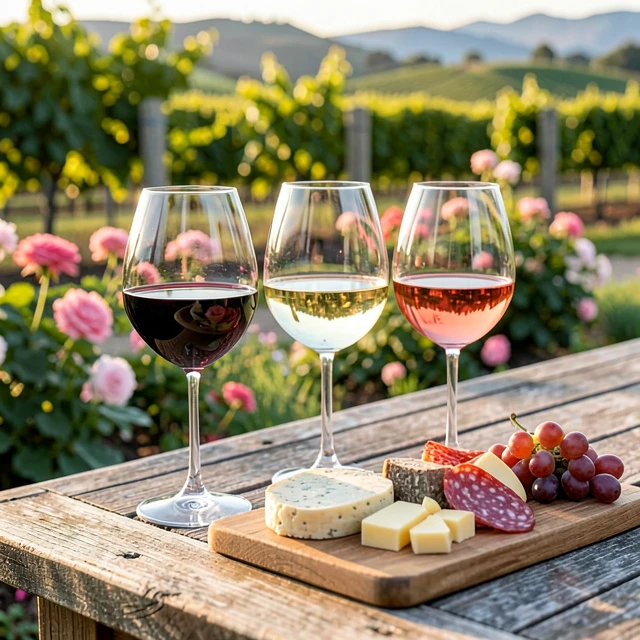
Sonoma's table matches its vines: fresh, seasonal, local. Hit Sebastopol's Saturday farmers market for heirloom tomatoes and wild mushrooms—pair with Dry Creek Zinfandel's spice.
Top bites: - The Girl & The Fig (Sonoma): Fig-leaf salmon with local Syrah. - Glen Ellen Star (Glen Ellen): Wood-fired pizzas using estate veggies. - Foraged feasts: Black trumpet mushrooms (aka 'poor man's truffle') at coastal spots like Coast Kitchen.
Pro tip: Book wine-paired dinners at wineries—Ferrari-Carano's cheese flight ($40) elevates a simple pour.
Where to Rest: Cozy Stays for Every Budget
From luxe to laid-back: - Farmhouse Inn (Forestville, $500+): Michelin-starred farm-to-table, spa tubs overlooking vines. - Timber Cove Resort (Jenner, $300+): Cliffside ocean views, foraging walks included. - Bodega Bay Lodge ($250+): Bluff-top rooms with fireplaces, whale-watching decks.
Budget pick: Swiss Hotel in Sonoma ($150)—historic charm steps from the plaza.
Crashing at Timber Cove after a coastal day? Waking to waves crashing below, coffee in hand, refuels the soul. Sonoma stays aren't just beds—they're part of the pour.
Insider Tips for Your Sonoma Escape
- Timing: Spring (wildflowers) or fall (harvest) beats summer crowds.
- Transport: Uber or shuttle tastings—DUI-free fun.
- Sustainability: Seek organic spots like Horse & Plow; Sonoma leads with 100% native-yeast ferments.
- Pack: Reusable water bottle, picnic blanket, journal for tasting notes.
Respect the land: Stay on trails, support family farms.
Toasting the End: Why Sonoma Calls You Back
Sonoma's Wine Country weaves history, flavor, and peace into every glass. From Jackson Family Wines' storied estates to fog-kissed AVAs, it rewards the curious traveler. Go slow, taste deep, and let the valley work its magic. Your next pour awaits.