The Role of Biodiversity in Sustainable Viticulture: Insights from Jackson Family Wines
Overview
In the heart of every great wine lies a thriving ecosystem. The Role of Biodiversity in Sustainable Viticulture goes beyond trends—it's about creating balance in the vineyard. Diverse plants, insects, and wildlife support healthier vines, reduce chemical use, and craft complex flavors. Join me as we explore this with real stories from Jackson Family Wines.
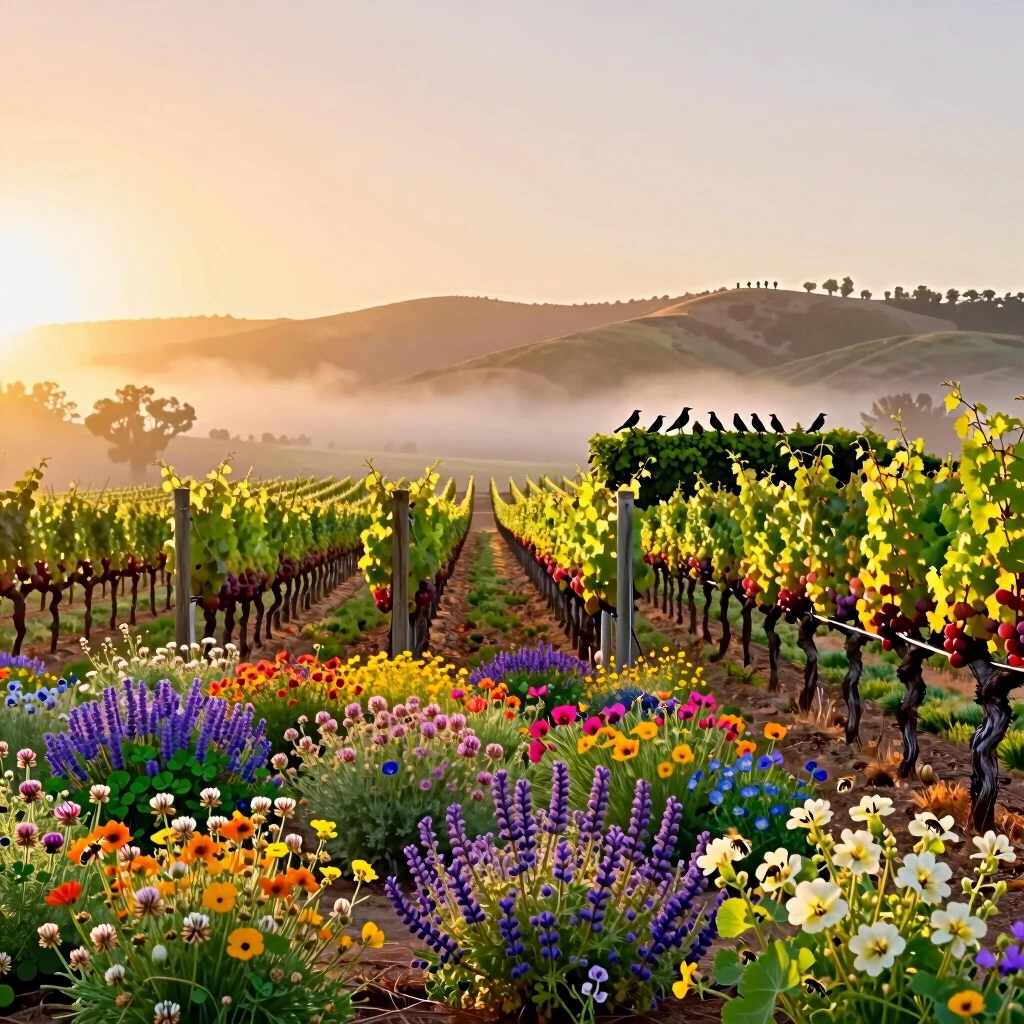
Imagine walking through a vineyard where vines don't stand alone. Instead, they share space with wildflowers, buzzing insects, and even grazing sheep. This isn't a dream—it's the reality of sustainable viticulture. Biodiversity brings life to the soil and air, making wine production kinder to the planet.
I've spent years visiting wineries, and one thing stands out: healthy ecosystems mean resilient vines. When you mix native plants with grapes, the soil stays fertile without heavy fertilizers. Pests find natural enemies, so sprays stay in the barn.
Let's break it down. Biodiversity means variety—all the plants, animals, microbes, and fungi that call a vineyard home. In viticulture, this variety acts like a safety net. It fights erosion, holds water during dry spells, and even cools the air on hot days.
Take soil health, for starters. Rich microbial life breaks down organic matter, feeding vines naturally. Studies from the European Commission show that diverse cover crops can boost biodiversity by 30% while keeping yields steady. That's real progress.
Why Biodiversity Matters for Vines and Wine
- Stronger Plants: Diverse roots prevent soil compaction and improve nutrient uptake.
- Natural Pest Control: Ladybugs eat aphids; birds snatch caterpillars—no chemicals needed.
- Better Flavors: Varied terroir adds layers to your glass, from earthy notes to bright fruit.
- Climate Toughness: Mixed habitats buffer against droughts and floods.
These aren't just perks. They're essentials for long-term success.
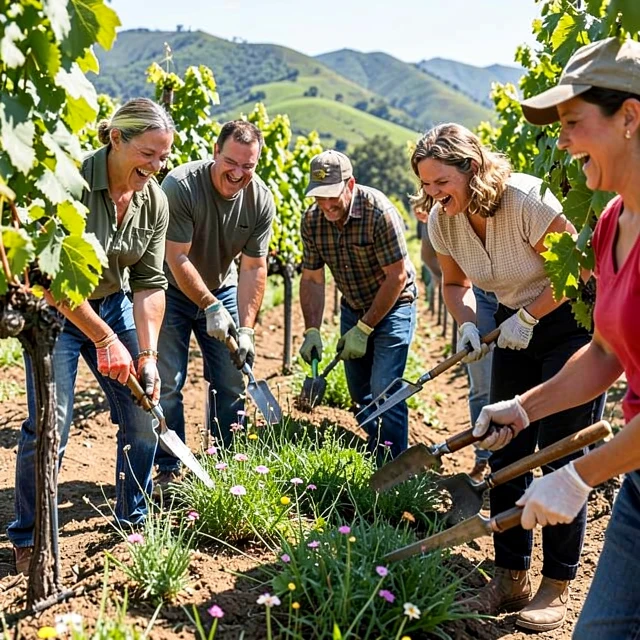
Now, picture this in action. During a trip to Sonoma, I saw how cover crops like mustard and legumes transform bare dirt into a living carpet. Vines nearby looked greener, fuller. The winemaker shared that their wines tasted more vibrant—proof that nature knows best.
Jackson Family Wines: Inside Their Sustainability Journey
Enter Jackson Family Wines, a leader in this space. For decades, they've turned family passion into global impact. Their 'Rooted for Good' roadmap sets bold goals: 100% regenerative farming by 2030, halving carbon emissions, and climate-positive by 2050.
What drives them? A deep respect for land. Founded by Jess Jackson, the company now spans 40+ brands. They focus on estate vineyards, where control means innovation.
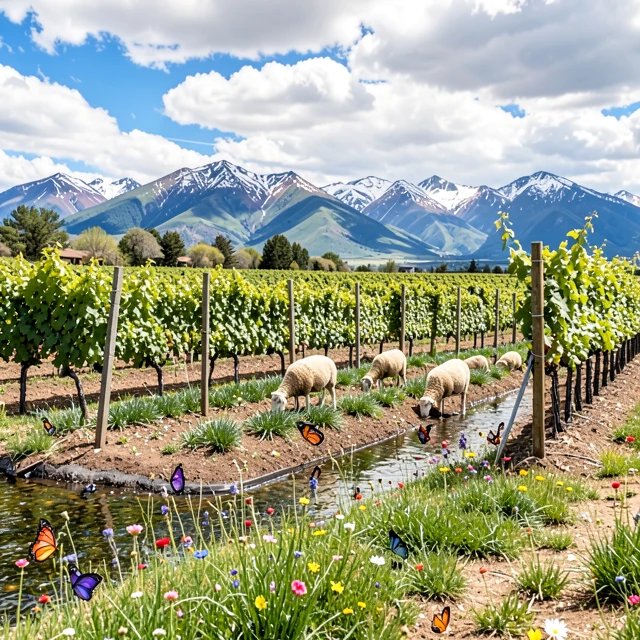
At the core of Jackson Family Wines' approach are sustainable practices at Jackson Family Wines that celebrate biodiversity. They plant hedgerows for bird habitats and use compost to feed soil microbes. In one vineyard, they introduced sheep to mow weeds—eco-friendly lawn service!
I once joined a tour there. The guide pointed out owl boxes perched high, luring predators to rodents. 'This cuts our pest issues by half,' she said. It's smart, simple, and effective.
Their regenerative shift includes no-till farming, which keeps carbon locked in soil. By 2023, 15% of vineyards followed this, with plans to grow. They partner with locals for habitat restoration, planting natives along creeks. It's not just farming; it's stewardship.
For more on their story, check out Jackson Family Wines' Rooted for Good page.
Key Sustainable Practices at Jackson Family Wines
| Practice | Benefit | Example |
|---|---|---|
| Cover Crops | Boosts soil life | Legumes fix nitrogen naturally |
| Biodiversity Corridors | Supports wildlife | Hedgerows link habitats |
| Compost Application | Reduces waste | On-site recycling for vines |
| Water Monitoring | Saves resources | Sensors track usage in real-time |
| Animal Integration | Natural weed control | Sheep and chickens roam rows |
These steps show how Jackson Family Wines weaves biodiversity into daily work. It's inspiring—proving big changes start small.
The Impact of Eco-Friendly Vineyards
Eco-friendly vineyards don't just help the earth—they transform communities. The Impact of Eco-Friendly Vineyards ripples out. Healthier soils mean less runoff into rivers, cleaner water for towns downstream.
Biodiversity draws pollinators, boosting nearby farms. In Chile, over 75% of wineries now prioritize this, per industry reports. Wines from these spots often fetch premium prices—consumers vote with their wallets.
From my chats with growers, the joy is palpable. One shared, 'Seeing bees thrive again? That's magic.' It builds pride, attracts talent, and secures futures.
Yet, challenges exist. Upfront costs for seeds or fencing sting. Climate shifts test resilience. But data helps: A Decanter report notes biodiverse plots yield 10-15% more in tough years.
Actionable tips? Start small. Plant one hedgerow. Track your bugs with a simple app. Join networks like the International Organisation of Vine and Wine (OIV resources). Small wins add up.
Looking ahead, tech like drones maps habitats, while policy pushes organic shifts. Conferences, like Avignon's 2022 event, spark ideas. The future? Vineyards as oases in a warming world.
I've tasted the difference—a crisp Chardonnay from a biodiverse plot sings with minerality. It's not hype; it's harmony.
Wrapping It Up
The Role of Biodiversity in Sustainable Viticulture shines brightest in stories like Jackson Family Wines: Inside Their Sustainability Journey. By embracing diversity, we nurture vines, planet, and palates. It's a call to sip mindfully and support change. Next glass? Make it count.