Understanding Wine Varietals: An In-Depth Look
A Quick Sip into Wine Varietals
Wine varietals capture the heart of every bottle. They are the grape types that define flavors, from bold reds to zesty whites. In this guide, Understanding Wine Varietals: An In-Depth Look takes you through key grapes, tasting secrets, and a spotlight on Beringer Merlot. Get ready to swirl, sniff, and savor with confidence.
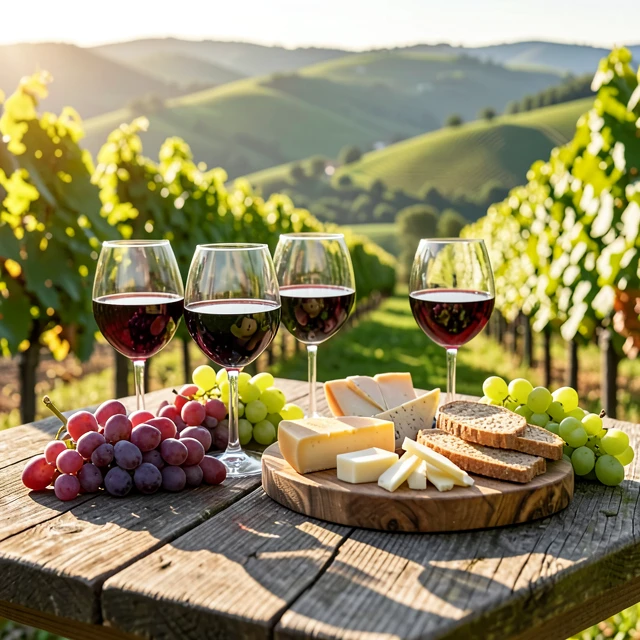
What Makes a Wine Varietal?
Think of wine varietals as the personalities behind the bottle. Each grape variety brings its own traits—color, taste, and even mood. Growers nurture these grapes in specific soils and climates, called terroir, which shapes the final sip.
I first fell in love with varietals during a lazy afternoon in Napa Valley. One glass of deep red Merlot whispered stories of sun-kissed hills, while a crisp white Chardonnay danced on my tongue like summer rain. Understanding these differences turns every pour into an adventure.
Varietals split mainly into reds and whites. Reds come from dark-skinned grapes that give rich colors and tannins. Whites, from green or golden grapes, offer lighter, fresher vibes. Let's dive into the stars of each group.
Spotlight on Red Wine Varietals
Red wines pack a punch with their bold flavors and food-friendly edges. They shine at dinners or cozy firesides. Here are three crowd-pleasers:
- Cabernet Sauvignon: The king of reds. It bursts with black currant and green pepper notes. Pair it with grilled steak for a match made in heaven.
- Merlot: Softer and smoother than Cab. Think plush plum and velvet texture. It's forgiving for new tasters.
- Pinot Noir: Elegant and earthy, with cherry and mushroom hints. Ideal for salmon or mushroom risotto.
Among wine brands, Beringer nails these reds with Napa roots dating back to 1876. Their focus on quality makes them a go-to.
| Varietal | Key Flavors | Best Pairing | Body Style |
|---|---|---|---|
| Cabernet Sauvignon | Black currant, cassis, oak | Red meats, aged cheeses | Full-bodied |
| Merlot | Plum, cherry, chocolate | Pasta, poultry | Medium-bodied |
| Pinot Noir | Red cherry, raspberry, earth | Salmon, mushrooms | Light-bodied |
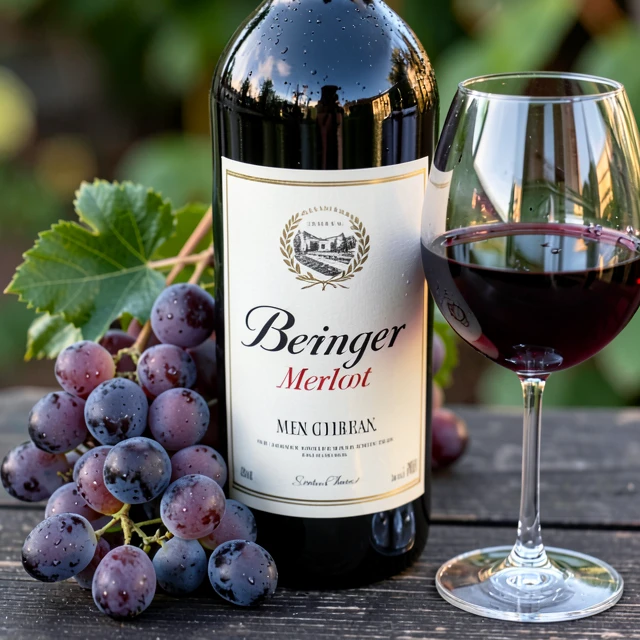
Why Merlot Steals the Show: A Beringer Focus
Merlot wins hearts with its approachable charm. Unlike tannin-heavy Cabs, it glides down easy, full of fruit without overwhelming.
Picture this: You're hosting friends, and you uncork a Beringer Merlot. The room lights up as aromas of ripe plum and dark cherry fill the air. Beringer crafts their Merlot from prime Napa spots, blending warmth and finesse.
In my own tastings, Beringer's 2018 Napa Valley Merlot hooked me. Dark plum and mocha danced on the palate, with a silky finish that lingered. It's proof that great wine brands blend tradition with fresh twists.
Beringer Merlot Tasting Guide: Step by Step
Ready to taste like a pro? Follow this simple Beringer Merlot tasting guide to unlock its secrets.
- Look: Tilt your glass against white paper. Beringer's hue glows deep ruby—vibrant and inviting.
- Swirl and Sniff: Give it a gentle whirl. Inhale deeply. Catch blackberry, licorice, and a whisper of vanilla from oak aging.
- Sip and Savor: Take a small mouthful. Let it coat your tongue. Note the juicy cherry mid-palate and toasty oak on the finish.
- Pair Smart: Try it with herb-roasted chicken or dark chocolate. The fruit bridges the gap perfectly.
Pro tip: Serve at 60-65°F for peak balance. Chill too much, and flavors hide; too warm, and alcohol bites.
Beringer's commitment shines in every bottle. As one of the oldest wine brands in California, they honor Merlot's plush nature while adding layers of complexity. If you're building a cellar, start here—affordable yet refined.
I've shared Beringer at family gatherings, watching skeptics turn into fans. One uncle, a beer guy, now requests it by name. That's the magic of understanding wine varietals.
Discovering White Wine Varietals
Whites refresh like a cool breeze. They star in brunches or seafood feasts. Let's meet three essentials:
- Chardonnay: Versatile chameleon. Unoaked versions taste of green apple; oaked ones add buttery cream.
- Sauvignon Blanc: Zingy and herbaceous, with grapefruit and grass vibes. Perfect chilled.
- Riesling: Sweet or dry, always aromatic. Peach and floral notes make it a dessert delight.
Beringer excels here too, with their bright Chardonnays that echo Napa's sunny days.
| Varietal | Key Flavors | Best Pairing | Body Style |
|---|---|---|---|
| Chardonnay | Apple, citrus, butter | Seafood, chicken | Medium to full |
| Sauvignon Blanc | Grapefruit, herbs, gooseberry | Salads, goat cheese | Light-bodied |
| Riesling | Peach, lime, flowers | Spicy Asian, blue cheese | Light to medium |
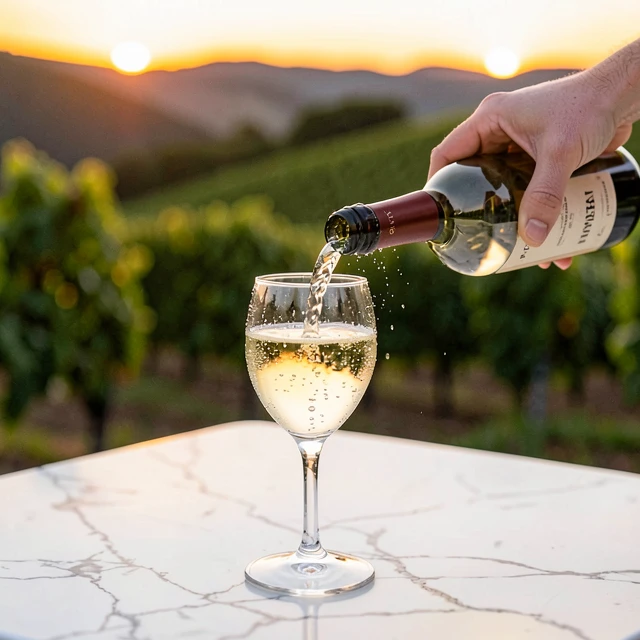
Tasting Whites: Fresh and Fun
Whites demand a lighter touch. Chill to 45-55°F and use a narrower glass to focus aromas.
Start with a sniff—Sauvignon Blanc might hit you with fresh-cut grass. Sip slowly; Chardonnay's acidity cleanses your palate for the next bite.
From my porch sips in summer, a Beringer Chardonnay paired with shrimp skewers felt effortless. The wine's citrus cut through the grill's smoke, creating harmony.
Blending Varietals into Your Life
Don't just read—experiment. Visit a local shop and grab one red, one white. Note what sings to you. Apps like Vivino track your finds.
For deeper dives, check Wine Spectator for varietal spotlights. Or join a tasting group; shared stories amplify the joy.
Remember, no 'wrong' varietal exists. It's about what warms your soul. Reds for reflection, whites for whimsy.
Wrapping Up Your Varietal Voyage
We've journeyed through Understanding Wine Varietals: An In-Depth Look, from Merlot's embrace to Chardonnay's cheer. Brands like Beringer make it accessible, turning novices into enthusiasts.
Next time you raise a glass, pause. Taste the grape's tale. Your palate will thank you. Cheers to more discoveries!