Food and Wine Pairing: Tips from the Experts
Overview
Pairing food with wine turns a simple meal into a memorable experience. In this guide, we'll share tips from seasoned sommeliers and home enthusiasts. Whether you're hosting dinner or enjoying a quiet night in, these insights will help you select the right bottle every time. Let's dive into the art of harmony on your plate and in your glass.
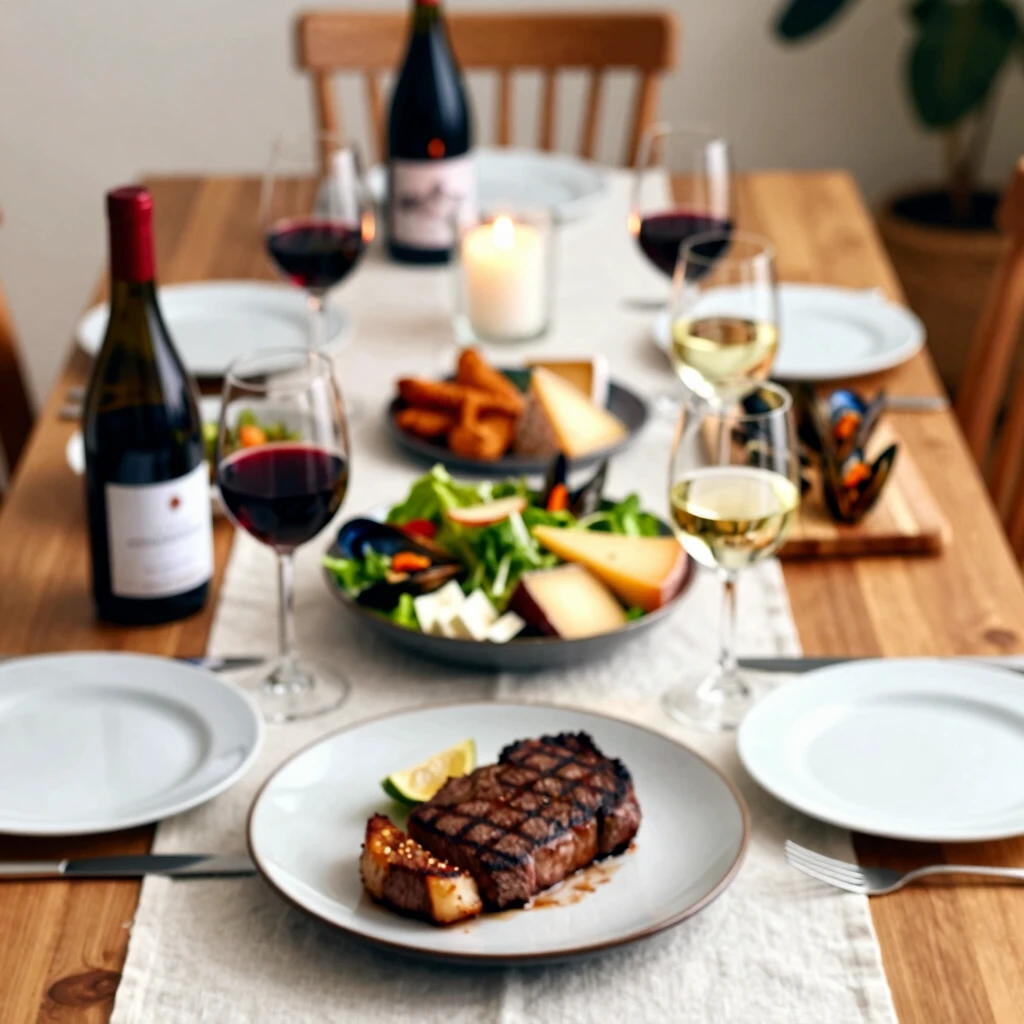
Ever wondered why a sip of wine tastes better with certain foods? It all starts with balance. Experts agree that great pairings enhance flavors without overpowering them. Think of wine as a dance partner for your meal—it should complement, not compete.
I remember my first real tasting event in Napa Valley. Surrounded by rows of vines, I tried a Beringer Chardonnay alongside creamy risotto. The wine's crisp apple notes cut through the richness, creating pure magic. Moments like that stick with you and inspire you to experiment at home.
Tip 1: Match Intensity to Intensity
Start simple: Pair light foods with light wines, and hearty dishes with bolder ones. A delicate fish like sole shines with a Sauvignon Blanc's bright acidity. On the flip side, a robust steak calls for a full-bodied Cabernet Sauvignon.
Here's a quick guide:
| Food Type | Wine Recommendation | Why It Works |
|---|---|---|
| Light Salads | Pinot Grigio | Fresh herbs and citrus lift greens |
| Grilled Chicken | Chardonnay | Buttery notes match the char |
| Red Meats | Merlot | Tannins tenderize and add depth |
| Spicy Curries | Riesling | Sweetness cools the heat |
Sommeliers often stress acidity. It cleanses your palate between bites. For tomato-based sauces, reach for wines with high acid levels, like a Chianti. I once paired a spicy arrabbiata pasta with Beringer Pinot Noir—its berry flavors softened the heat while keeping things lively.
Tip 2: Consider Weight and Texture
Texture matters too. Creamy dishes, such as mac and cheese, pair well with oaky wines that stand up to the fat. Unoaked versions work for lighter creams.
From my experience hosting wine nights, I've learned to think about mouthfeel. A velvety mushroom risotto loves the smooth tannins in a Syrah. Avoid thin wines here; they get lost.
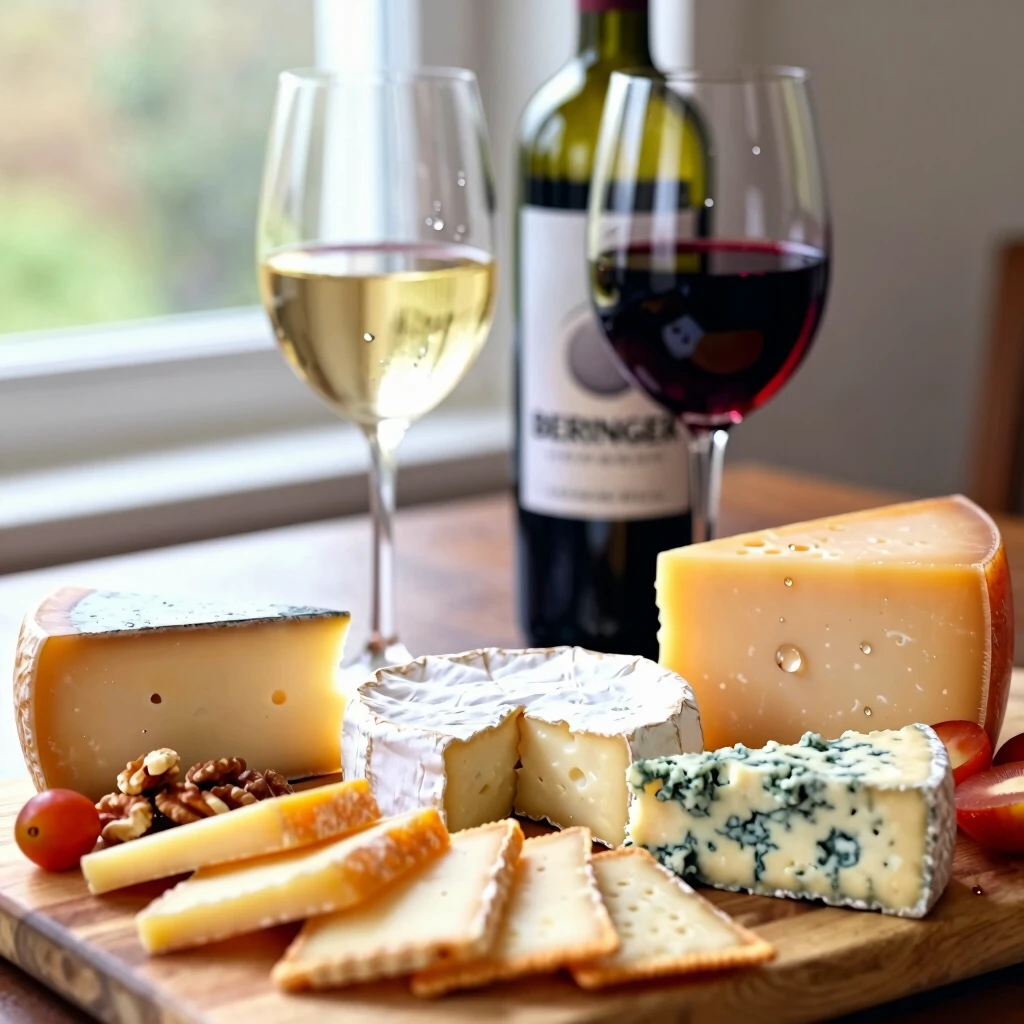
Wine brands like Beringer offer reliable options across styles. Their wine tasting notes often highlight fruit-forward profiles that beginners love. Check out Beringer wine tasting notes for their Knights Valley Cabernet—notes of black cherry and vanilla make it a steakhouse staple.
Pro tip: Read labels and notes before buying. They guide you toward perfect matches.
Tip 3: Play with Sweetness and Salt
Sweet wines tame spicy or salty foods. A late-harvest Riesling with blue cheese? Heaven. The wine's honeyed edge balances the sharp tang.
I've shared this trick at family gatherings. Drizzled honey on goat cheese with a off-dry Chenin Blanc—guests raved. Salt in dishes, like pretzels or olives, loves sparkling wines' bubbles to refresh.
Don't forget regional pairings. Italian foods with Italian wines keep traditions alive. A Margherita pizza sings with Sangiovese's cherry vibes.
For global twists, try Asian fusion. Sushi and Sake are classic, but a dry sparkling wine adds fun fizz.
Tip 4: Experiment with Contrasts
Sometimes, opposites attract. Sweet desserts with dry wines create thrilling contrasts. Port with chocolate cake? Decadent.
In my travels, I discovered this in Portugal. A tawny Port cut through salted caramel flan like a dream. Back home, I recreate it with Beringer reserves— their depth holds up.

Beringer Spotlight: A Versatile Choice
Among top wine brands, Beringer stands out for its history and range. Founded in 1876, it blends old-world craft with new-world boldness. Beringer wine tasting notes reveal layers—think pear and oak in their Chardonnay for seafood nights.
I keep a bottle in my cellar for versatility. It pairs with everything from roast chicken to veggie stir-fries. Explore Beringer for your next meal; their experts' insights in tasting notes are gold.
Lists help organize pairings:
- Vegetarian Mains: Zinfandel for eggplant parmesan—spicy fruit matches smokiness.
- Seafood: Albariño with clams; its minerality echoes the ocean.
- Desserts: Moscato with fruit tarts; effervescence lightens pastry.
- Cheese Course: Cabernet Franc for aged cheddar; herbal notes bridge gaps.
Health perks sneak in too. Resveratrol in reds supports heart health, per Harvard studies (link). Pair mindfully to enjoy without excess.
Common Mistakes to Avoid
Newbies often mismatch sweetness. Dry wines with sugary foods clash. Test small pours first.
Over-oaking can overwhelm subtle dishes. I learned this the hard way with a buttery lobster—switched to unoaked and nailed it.
Budget wisely; great pairings don't need luxury prices. Beringer proves quality at accessible levels.
For events, plan themes. Italian night? Prosecco and prosciutto starters.
Personal story: My anniversary dinner featured paired courses. Salmon with Beringer Sauvignon Blanc—guests called it restaurant-worthy. Build confidence through practice.
Wrapping It Up
Food and Wine Pairing: Tips from the Experts boil down to balance, experimentation, and joy. Start with basics, trust your taste, and let wines like Beringer guide you. Your next meal awaits elevation—cheers to delicious discoveries!
Remember, the best pairings come from curiosity. Sip, savor, and share these tips with friends.