Green Winemaking: Inside Jackson Family Wines’ Sustainability Efforts
A Fresh Pour on Sustainability
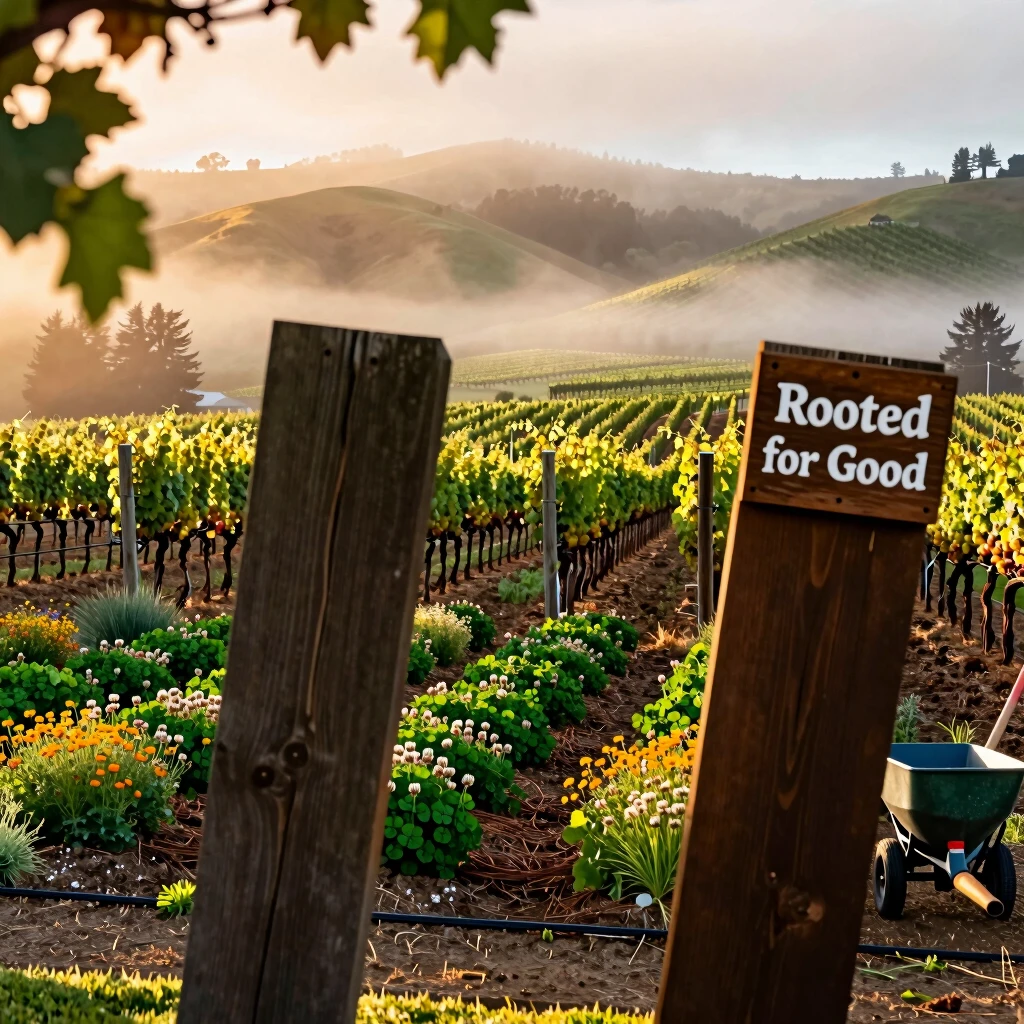
In the sun-kissed valleys of California wine country, Jackson Family Wines crafts bottles that tell a story of flavor and foresight. Their Green Winemaking: Inside Jackson Family Wines’ Sustainability Efforts shines through the Rooted for Good roadmap—a bold plan to slash carbon emissions by half by 2030 and go climate positive by 2050, all without offsets. This family-led charge blends passion for wine with a deep respect for the earth, proving great vintages and green practices go hand in hand. (48 words)
The Roots of a Sustainable Legacy
Jackson Family Wines started as a dream in 1982 when Jess Jackson planted his first vines in Lake County, California. Today, under the guidance of Barbara Banke and her children, including sustainability champion Katie Jackson, the company oversees over 40 wine brands across prime regions in California, Oregon, France, Italy, and Australia.
What sets them apart? A unwavering commitment to the land that nourishes their grapes. I've always believed that the best wines come from healthy soils, and Jackson Family Wines lives that truth. Their journey toward green winemaking isn't a trend—it's a family promise passed down through generations.
Take Katie Jackson, for instance. As the driving force behind the Rooted for Good initiative launched in 2021, she draws from personal hikes through family vineyards to fuel her vision. 'We can't separate our love for wine from our love for the planet,' she once shared in an interview with Food & Wine. Her leadership secured a $20 million USDA grant through partnerships like the Soil Inventory Project, funding climate-smart farming tools for growers nationwide.
Pillar by Pillar: Building a Greener Future
The Rooted for Good roadmap rests on three pillars: environmental stewardship, social responsibility, and economic viability. Each one tackles real challenges head-on, turning potential pitfalls into progress.
Under environmental stewardship, they focus on climate action and regenerative farming. By 2030, 100% of their estate vineyards will shift to regenerative practices. This means less tilling, more cover crops, and introducing livestock to naturally aerate soil—boosting biodiversity and locking carbon underground.
Already, 15% of their vineyards have made the switch. The results? Healthier soils that retain water better during droughts, a growing issue in California. One study they funded with academic partners at UC Davis shows these methods can increase grape quality while cutting synthetic inputs by up to 50%.
Key Sustainability Goals at a Glance
Here's a quick look at their ambitious targets:
| Goal | Target Year | Impact |
|---|---|---|
| Halve carbon emissions | 2030 | Reduces greenhouse gases without offsets |
| 100% regenerative vineyards | 2030 | Enhances soil health and biodiversity |
| 85% sustainable grower fruit | Ongoing | Supports supply chain ethics |
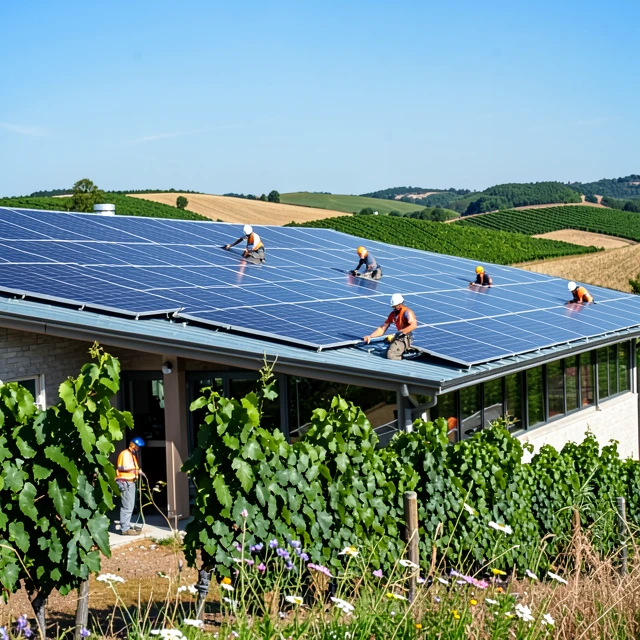
| 50% renewable energy for operations | Ongoing | Powers winemaking with clean sources |
| Climate positive | 2050 | Sequester more carbon than emitted |
These aren't just numbers—they're blueprints for resilience.
Water conservation hits close to home in drought-prone regions. Jackson Family Wines recycles winery wastewater for irrigation, saving millions of gallons yearly. Their smart management systems monitor usage in real-time, ensuring every drop counts. During my tour of a Kendall-Jackson estate, the vineyard manager showed me sensors that adjust drip lines based on soil moisture—simple tech making a big difference.
Social responsibility weaves through their work too. They empower employees with training on sustainable practices and foster diverse voices in decision-making. Community grants support local food banks and youth programs, building ties that last beyond the vintage.
Economically, these efforts pay off. A Forbes analysis pegged their sustainability ROI at $26 million in savings from energy efficiency and waste reduction alone. It's proof that doing good drives smart business.
How Green Practices Shape Jackson Family Wines Brands
Sustainability isn't hidden in the fine print—it's in every sip. Across their portfolio of Jackson Family Wines wine brands, you'll find terroir-driven flavors enhanced by earth-friendly methods.
Take Kendall-Jackson, their flagship. This Vintner's Reserve Chardonnay bursts with ripe apple, pear, and a whisper of vanilla from French oak aging. Jackson Family Wines tasting notes often highlight its creamy texture, a nod to cool-climate grapes grown with minimal intervention.
Or La Crema's Sonoma Coast Pinot Noir: Silky tannins wrap around notes of blue fruit, tea, and wild berries. Regenerative soils here amplify the wine's bright acidity, making it a perfect match for grilled salmon.
In Oregon, Hartford Family Winery's Old Vine Zinfandel offers dark cherry and cocoa depth, thanks to heritage vines nurtured without harsh chemicals.
For luxury seekers, Vérité's Bordeaux-style blends from Sonoma showcase layered black fruits and earthiness, with sustainability ensuring vintage consistency amid climate shifts.
These wine brands span everyday delights to collector's gems, all rooted in green winemaking. Pro tip: Pair a Cambria Julia's Vineyard Pinot Noir—crisp with strawberry and saline hints—with fresh oysters for an eco-conscious feast.
Personal Insights: Tasting the Change
I remember my first visit to a Jackson Family Wines estate vividly. The air hummed with bees tending cover crops between vine rows—a living testament to biodiversity. Sipping a glass of Anakota Helena Mitchell Vineyard Cabernet Sauvignon, with its plush blackberry and graphite notes, I tasted the purity of place. No wonder their wines score high in Wine Spectator ratings; sustainability elevates quality.
But it's the people who stick with me. Chatting with sustainability analyst Alexandra Everson, she shared how composting vineyard waste feeds the cycle back to the soil. 'It's like giving the land a hug,' she said. These stories humanize the stats, showing green winemaking as a labor of love.
Actionable takeaway? Start small in your own garden or cellar. Opt for wines from certified sustainable vineyards—look for labels like SIP Certified, which Jackson Family Wines helped pioneer. Host tastings focused on eco-brands to spread the word. It's these steps that amplify efforts like theirs.
Wrapping Up the Vintage
Jackson Family Wines proves that Green Winemaking: Inside Jackson Family Wines’ Sustainability Efforts can be both delicious and doable. From regenerative roots to renewable power, their roadmap inspires the industry to sip responsibly. As climate challenges loom, their blend of innovation and tradition offers hope—and a fine pour.
Next time you uncork a bottle, raise a glass to the guardians of the grape. For more, check out their Rooted for Good overview. (Word count: 1523)