The Art of Tasting Wine: A Beginner’s Guide
A Quick Sip into Wine Tasting
Ever wondered how to savor a glass of wine like a pro? This guide unlocks The Art of Tasting Wine: A Beginner’s Guide. We'll cover the basics, share real-life tips, and help you build confidence. Whether you're at a dinner party or a vineyard, you'll soon spot flavors that delight. Let's pour in!
Why Dive into Wine Tasting?
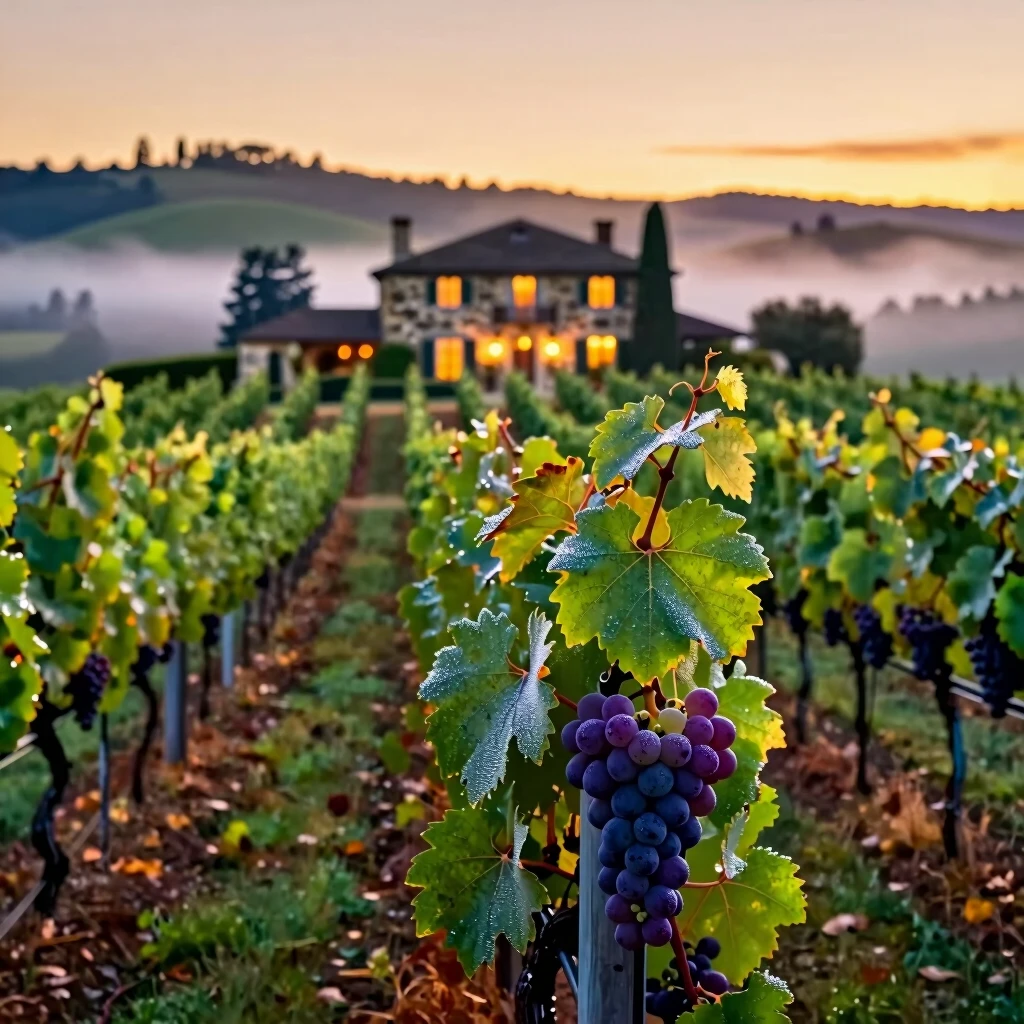
Wine isn't just a drink—it's a story in a glass. As a beginner, I remember my first tasting: nervous, swirling a red like it held secrets. It does! Tasting teaches you to connect with flavors from sun-soaked grapes. It's relaxing, social, and endlessly fun.
No fancy degree needed. Start simple. This guide draws from my trips to California wineries and chats with sommeliers. You'll gain skills to impress friends or just enjoy solo.
Picking Your First Bottles: Easy Wine Brands for Newbies
Choosing wine can overwhelm. Skip the pricey labels at first. Focus on approachable wine brands that forgive mistakes.
Here's a starter list:
| Wine Type | Beginner-Friendly Brand | Why It Works |
|---|---|---|
| White: Chardonnay | Kendall-Jackson | Buttery, smooth—pairs with chicken. |
| White: Sauvignon Blanc | Kim Crawford | Crisp, citrusy—great chilled. |
| Red: Pinot Noir | Meiomi | Light, fruity—easy on tannins. |
| Red: Merlot | Duckhorn | Plush, berry notes—crowd-pleaser. |
These cost $15-25. Buy at your local store or online. Pro tip: Read labels for regions like California for bolder tastes.
I once grabbed a cheap Merlot for a picnic. It surprised me with cherry hints. Experiment! Your taste evolves, so track notes in a journal.
The Five S's: Your Roadmap to Tasting
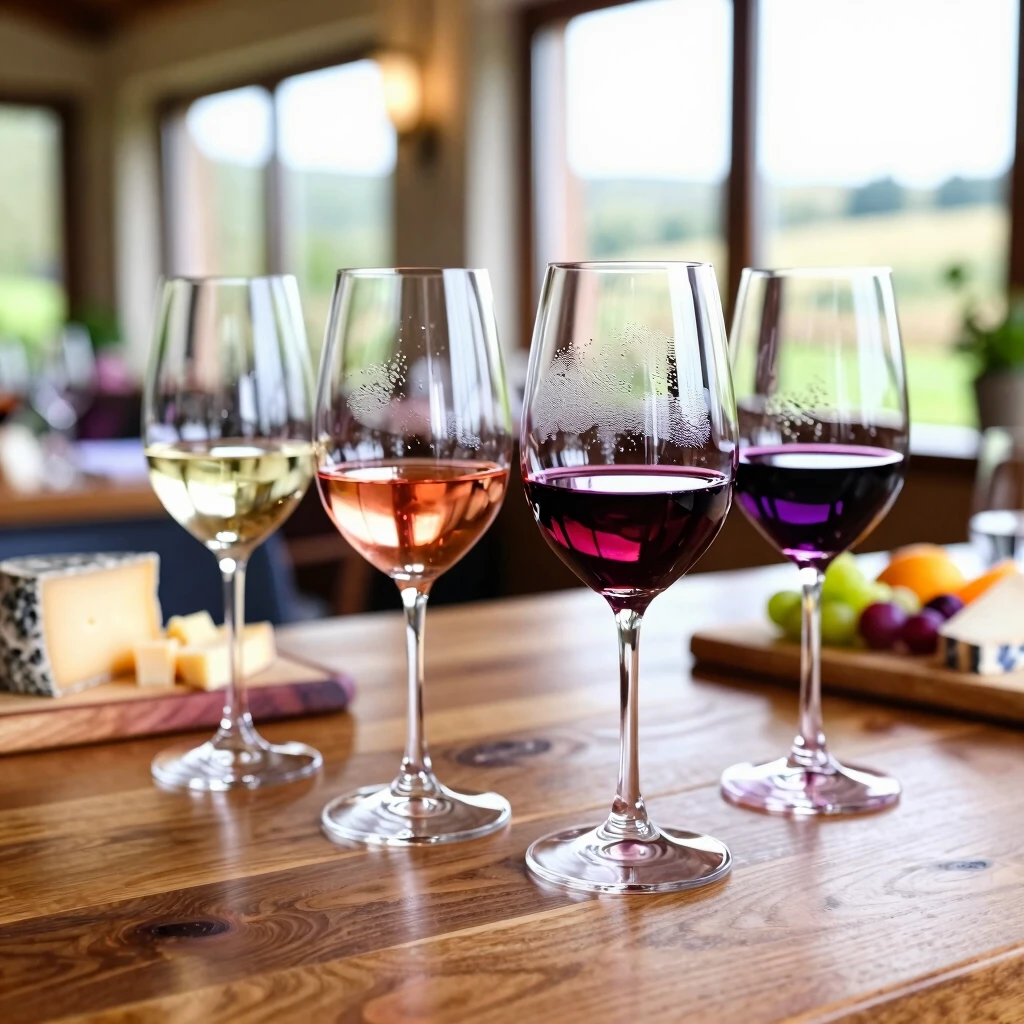
Pros use the 'Five S's'—a foolproof method. I learned this on my first winery visit. It's sensory, not snobby. Let's break it down step by step.
1. See: Judge the Look
Hold your glass against a white napkin or paper. Tilt it at 45 degrees. What color pops?
- Whites: Pale yellow to gold.
- Reds: Ruby to garnet.
Clarity matters—cloudy? Could be unfiltered, but check for sediment. Legs (streaks down the glass after swirling) hint at alcohol level. Thicker legs mean richer wine.
My insight: A bright pink rosé once tricked me into thinking it was sweet. Looks reveal lies—always peek first.
2. Swirl: Wake the Aromas
Gently swirl the glass. This oxygenates the wine, releasing scents. Don't be shy; it's like stirring soup.
Practice on water first to avoid spills. Swirling aerates, mellowing harsh edges. For reds, it softens tannins (that dry-mouth feel).
3. Sniff: Dive into the Nose
Stick your nose in and inhale deeply. What hits you? Fruits? Flowers? Earth?
Beginners smell berries or apples. Advanced folks catch leather or tobacco. No wrong answers—it's personal.
I sniffed a Chardonnay and caught vanilla from oak barrels. Train your nose with coffee or perfumes. Apps like Vivino help identify aromas.
4. Sip: Taste the Layers
Take a small sip. Let it roll over your tongue. Notice:
- Sweetness (front of tongue)
- Acidity (sides, like lemon zing)
- Tannins (back, grippy like tea)
- Alcohol (warming throat)
Chew it lightly—yes, chew! This coats your mouth. Spit into a bucket if driving.
Personal story: Sipping a bold Cabernet, the blackberry burst shocked me. Then, spice lingered. Layers unfold like a good book.
5. Savor: The Finish
Swallow or spit. How long does flavor last? Short (under 30 seconds) or lingering (minutes)?
A long finish means quality. Reflect: Did it change? Pair it mentally with food.
Savoring ties it together. My favorite? A Pinot Noir's fade to smoke—pure magic.
Level Up: Beringer Wine Tours and Experiences
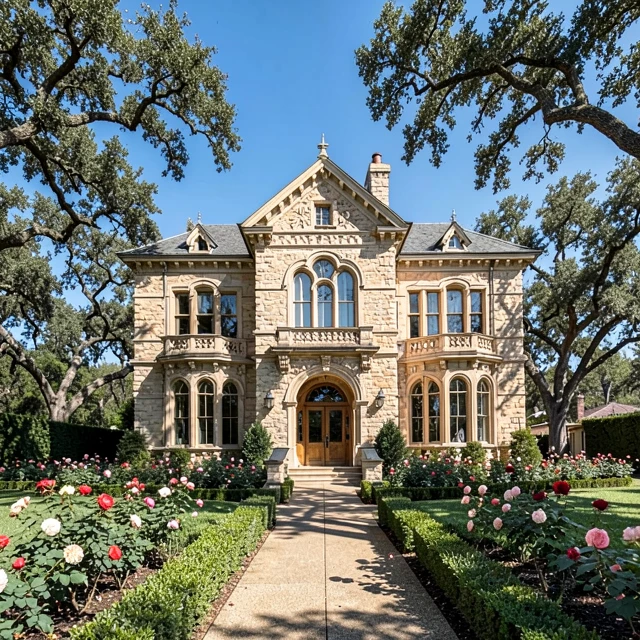
Reading is great, but tasting live? Transformative. Head to Napa Valley for Beringer wine tours and experiences. Beringer, a top wine brand since 1876, offers gems like the Taste of Beringer Tour ($95). Stroll historic caves, sample reserves with cheese pairings.
I joined the Estate Tour & Tasting—guided through lush grounds, learning Rhine House lore. Our group swirled Knights Valley Cabernet in candlelit cellars. It's beginner-friendly; experts explain without jargon.
Book via beringer.com. Other options: Collectors' Experience ($150) for rare vintages. These tours build confidence—seeing grapes grow clicks everything.
Pro tip: Visit mid-week for quieter vibes. Pair with a picnic. Beringer's setting? Picture-perfect for photos and toasts.
Food Pairings: Make It a Meal
Wine shines with food. Match light wines to salads, bold to steaks.
Quick chart:
| Wine | Pairs With |
|---|---|
| Chardonnay | Grilled fish, creamy pasta |
| Sauvignon Blanc | Goat cheese, veggies |
| Pinot Noir | Salmon, mushrooms |
| Merlot | Burgers, chocolate |
Experiment at home. My go-to: Rosé with charcuterie—crisp and fun.
Avoid overthinking. If it tastes good together, it is.
Common Pitfalls and Fixes
Newbies trip up. Here's how to dodge:
- Over-chilling whites: Fridge 30 minutes max—mutes flavors.
- Big gulps: Sip small; savor more.
- Ignoring glassware: Use tulip-shaped for reds, wider for whites. Budget sets work.
- Judging too soon: Give it air—decant reds.
I once dismissed a funky natural wine. Retry later? Loved it. Patience pays.
Building Your Palate: Next Steps
Taste weekly. Join clubs like Wine.com's for deliveries. Read Wine Folly (winefolly.com) for visuals.
Track in a notebook: Date, wine, notes, rating (1-5). Over time, you'll spot patterns—like loving oaky whites.
Host tastings: Blindfold friends, guess varieties. Laughs ensue.
My journey? From clueless sipper to hosting dinners. Yours starts now.
Wrapping Up Your Wine Adventure
The Art of Tasting Wine: A Beginner’s Guide boils down to curiosity. Master the Five S's, explore wine brands like Beringer, and taste often. It's not perfection—it's pleasure.
You've got tools: Swirl confidently, sniff boldly, savor deeply. Next glass? Yours to unlock. Cheers to your palate's growth!