Wine Tasting 101: Your Essential Guide to Sipping Like a Pro
A Quick Sip into Wine Tasting 101
Ever wondered how to turn a simple glass of wine into a delightful discovery? Wine Tasting 101 is your starting point. This guide walks you through the basics, from swirling to savoring, with tips drawn from my own sunny afternoons in California's Wine Country. Whether you're a total newbie or just want to sharpen your skills, you'll finish feeling confident and excited to explore more. (38 words)
Why Dive into Wine Tasting?
I still recall my first real wine tasting. The sun dipped low over the vines, and the air buzzed with that earthy promise of harvest. Wine isn't just a drink—it's a story in every sip. It connects you to the land, the hands that tended the grapes, and even the weather from seasons past.
Wine Tasting 101 helps you uncover those layers. You learn to spot what makes a wine tick: its color, scent, taste, and feel. No fancy degree needed. Just curiosity and a good glass. This skill amps up your meals, dates, or quiet evenings at home. Plus, it opens doors to places like Exploring California's Wine Country, where every bend in the road reveals a new gem.
Think of it as training your senses. Like how you notice the crisp bite in a fresh apple, you'll start picking out notes of cherry or oak in your cabernet. It's fun, and it makes you the go-to at parties.
The Five S's: Your Roadmap to Tasting
Pros swear by the five S's—see, swirl, sniff, sip, and savor. I use this every time, from casual pours to formal Beringer wine tours and experiences. Let's break it down step by step.
See: Check the Color and Clarity
Hold your glass against a white napkin or plain background. Tilt it at a 45-degree angle. What do you notice? A young red might glow ruby-bright, while an aged one leans brick-red. Whites range from pale lemon to golden straw.
Color hints at age and grape type. Deeper hues often mean bolder flavors. Clarity matters too—no haze means it's clean and ready. This quick look sets your expectations.
Swirl: Wake Up the Aromas
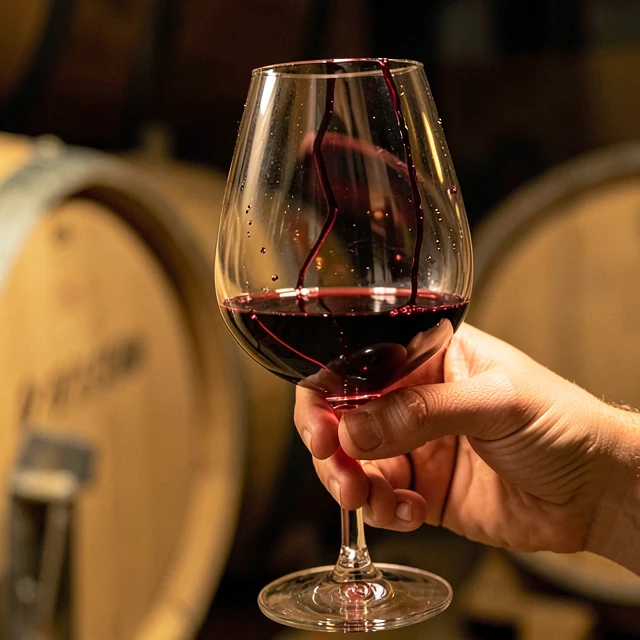
Give that glass a gentle twist. Watch the wine coat the sides and trickle back down—those 'legs' show alcohol and sweetness levels. Thicker legs? Higher alcohol, maybe riper fruit.
Swirling mixes oxygen with the wine, unlocking scents. Don't worry if you feel silly at first. I did, spilling a drop on my shirt during my initial try. Practice makes it second nature.
Sniff: Dive into the Nose
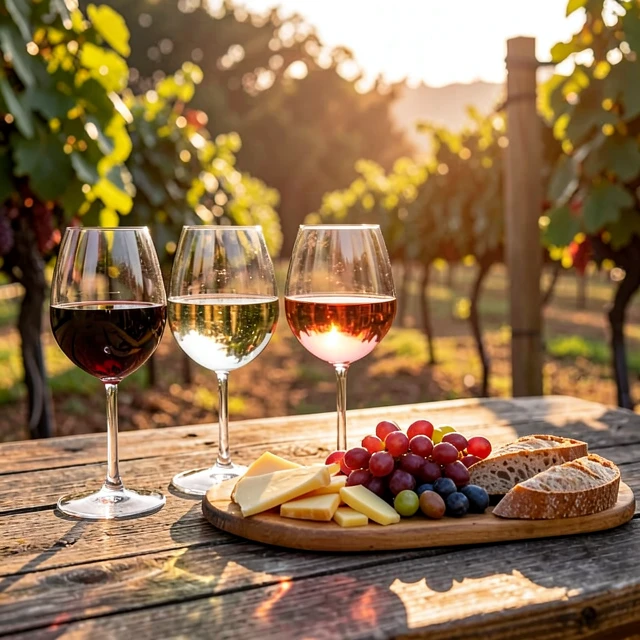
Bury your nose in the glass—don't sip yet! Inhale deeply. What hits you? Fruits like berry or citrus? Subtler notes of spice, earth, or vanilla from oak barrels?
Smell drives 80% of taste, so this step is key. Washington State University's wine sensory evaluation guide explains how aromas reveal grape variety and winemaking tricks. Jot notes if you like: 'blackberry and smoke.' It sharpens your memory for later.
Sip: Take It to Your Tongue
Small sip now—about a tablespoon. Let it roll over your tongue. Notice acidity (that zing like lemon), tannin (grippy like strong tea), and sweetness (honey-like?).
Body comes next: light like water, or full like milk? Fruit flavors pop—red for cherries, white for green apple. Swallow or spit; either works at tastings.
Savor: The Finish and Reflection
Let the aftertaste linger. Does it fade quick or stick around? Long finishes often signal quality. Pair this with your earlier notes. What story does this wine tell?
Cornell University's wine tasting resources offer worksheets to track these details. I keep a little journal—it's grown into a treasured log of trips and finds.
| Five S's Quick Reference |
|---|
| S |
| See |
| Swirl |
| Sniff |
| Sip |
| Savor |
This table keeps it simple. Print it for your next gathering.
Pairing Wine with Food: Simple Wins
Great wine shines brighter with the right bite. Reds love hearty meats—think steak with cabernet. Whites pair with fish or salads; their acidity cuts through creaminess.
Start easy: Chardonnay with chicken, Pinot Noir with salmon. My go-to? A crisp Sauvignon Blanc alongside goat cheese and crackers. Experiment at home. No rules, just joy.
For deeper dives, check UC Davis's insights on food and wine matching.
Exploring California's Wine Country: A Must-Do
Nothing beats the real deal. California's Wine Country, especially Napa and Sonoma, feels like wine's playground. Rolling hills dotted with vines, crisp air laced with fermentation's sweet tang—it's magic.
I drove the Silverado Trail once, stopping at hidden spots. The region's history stretches back to 18th-century missions. UC Davis Library's short history of California winemaking traces how Spanish friars planted the first vines, evolving into today's powerhouse.
Pro tip: Visit in fall for harvest vibes. Book a driver if you plan to taste plenty.
Spotlight on Beringer: Timeless Wine Brands and Experiences
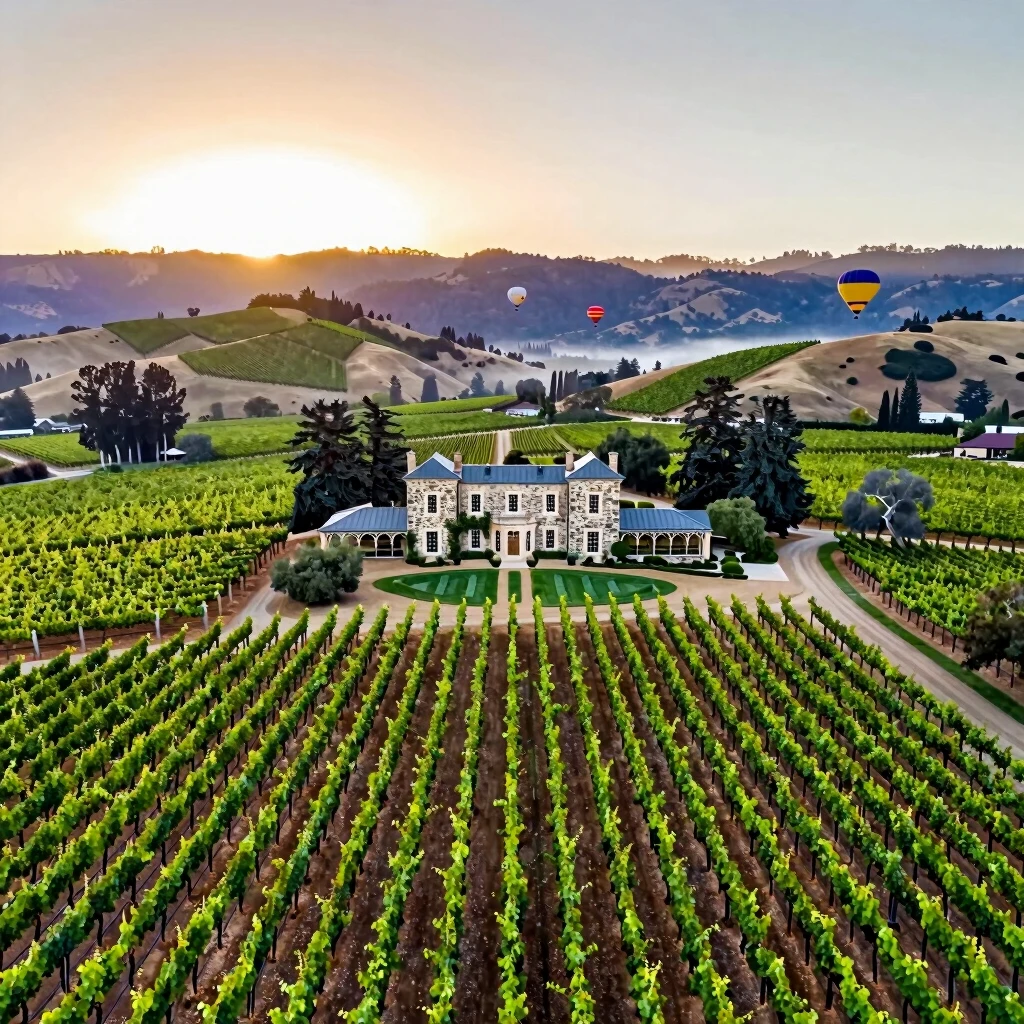
Among top wine brands, Beringer stands out. Founded in 1876, it's the oldest continuously running winery in Napa. Brothers Jacob and Frederick dug those famous Rhine House cellars by hand—talk about grit.
Beringer wine tours and experiences blend history with hands-on fun. Stroll the grounds, peek into barrel rooms, then taste flights in the old manor. I joined a cave tour there; the cool, musty air and candlelight made it feel like stepping into the 1800s.
Their whites, like Chardonnay, burst with apple and pear. Reds? Bold Cabernet with black currant depth. The National Trust for Historic Preservation's feature on Beringer's legacy highlights why it's a landmark. If you're planning a trip, their reserve tastings are worth the splurge.
Beringer shows how wine brands evolve while honoring roots. Grab a bottle next grocery run—it's approachable for beginners.
Hosting Your Own Wine Tasting at Home
Can't jet to Napa? Bring the party home. Gather 3-5 bottles from different regions or grapes. Set a theme: 'Whites under $20' or 'Bold Reds.'
Serve in order: light to heavy, white to red. Use neutral glasses—no logos to sway judgments. Add water and crackers to cleanse your palate.
Invite friends. Share notes around the table. I hosted one last summer; laughs flowed as freely as the wine. It sparked plans for a group trip to Exploring California's Wine Country.
- Prep Checklist: Clean glasses, spit cups, tasting sheets.
- Temperature Tips: Chill whites to 45-55°F; reds at 55-65°F.
- Pacing: One sip per wine, wait 30 seconds between.
- Fun Twist: Blind taste—cover labels for pure guesses.
Common Pitfalls and How to Dodge Them
We all stumble. Gulping too fast? Slow down; it's about the journey. Judging by price alone? Great wines hide in every range.
Don't fear 'wrong' opinions—taste is personal. I once hated Merlot, then found one with silky plum notes that changed my mind. Swirl gently; aggressive spins foam it up.
Over-oaking can overwhelm—seek balance. And hydrate! Wine's a diuretic.
Wrapping Up Your Wine Tasting Journey
There you have it—Wine Tasting 101 in a nutshell. From the five S's to Beringer wine tours and experiences, you've got tools to savor deeper. Head out, explore, and let each glass surprise you. California's Wine Country waits, full of stories in every vine. What's your first tasting adventure? (42 words)
Total word count: ~1520