Unveiling the Beringer Wine Production Process: A Journey from Napa's Vines to Your Glass
A Timeless Craft in Napa Valley
Beringer stands as a cornerstone among wine brands, with roots tracing back to 1876. The Beringer wine production process weaves history, nature, and expertise into every bottle. This guide walks you through each step, revealing secrets that turn sun-kissed grapes into elegant sips.
Imagine strolling through sun-drenched rows of vines in Napa Valley. That's where it all begins for Beringer. Founded by brothers Jacob and Frederick Beringer, the winery kicked off with a bold vision: create wines that rival Europe's finest. Today, it remains the oldest continuously operating winery in the region, producing over a million cases yearly.
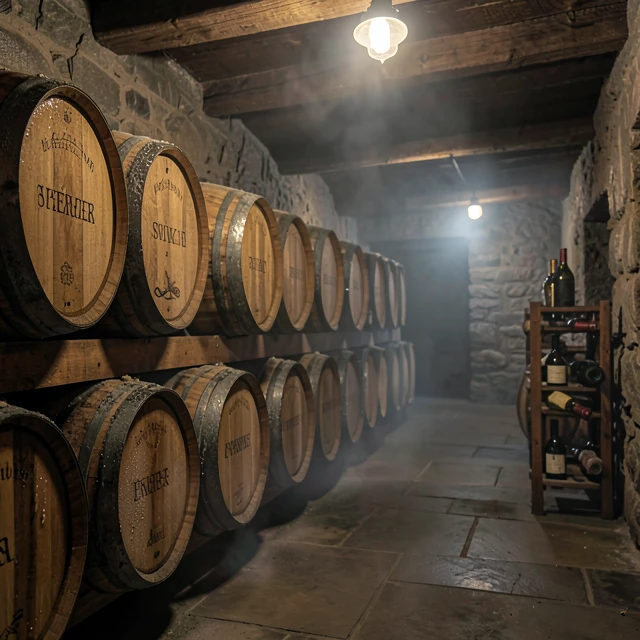
What sets Beringer apart? It's the blend of old-world charm and new-world smarts. The brothers dug aging caves by hand in 1877—still in use today, keeping a steady 58°F. These aren't just cellars; they're time capsules for flavor.
Let's dive into the heart of the Beringer wine production process. It starts long before harvest, in the vineyards. Beringer farms across 1,000 acres in Napa, plus spots in Knights Valley and Howell Mountain. Each plot has its own personality, shaped by soil, sun, and fog.
Take the Steinhauer Ranch on Howell Mountain. At 1,800 feet, it basks in intense sunlight but cools at night. This magic spot grows Cabernet Sauvignon and Cabernet Franc with deep, concentrated flavors. Meanwhile, Knights Valley's volcanic soils drain fast, yielding bold yet balanced grapes.
Nurturing the Vines: Vineyard Management
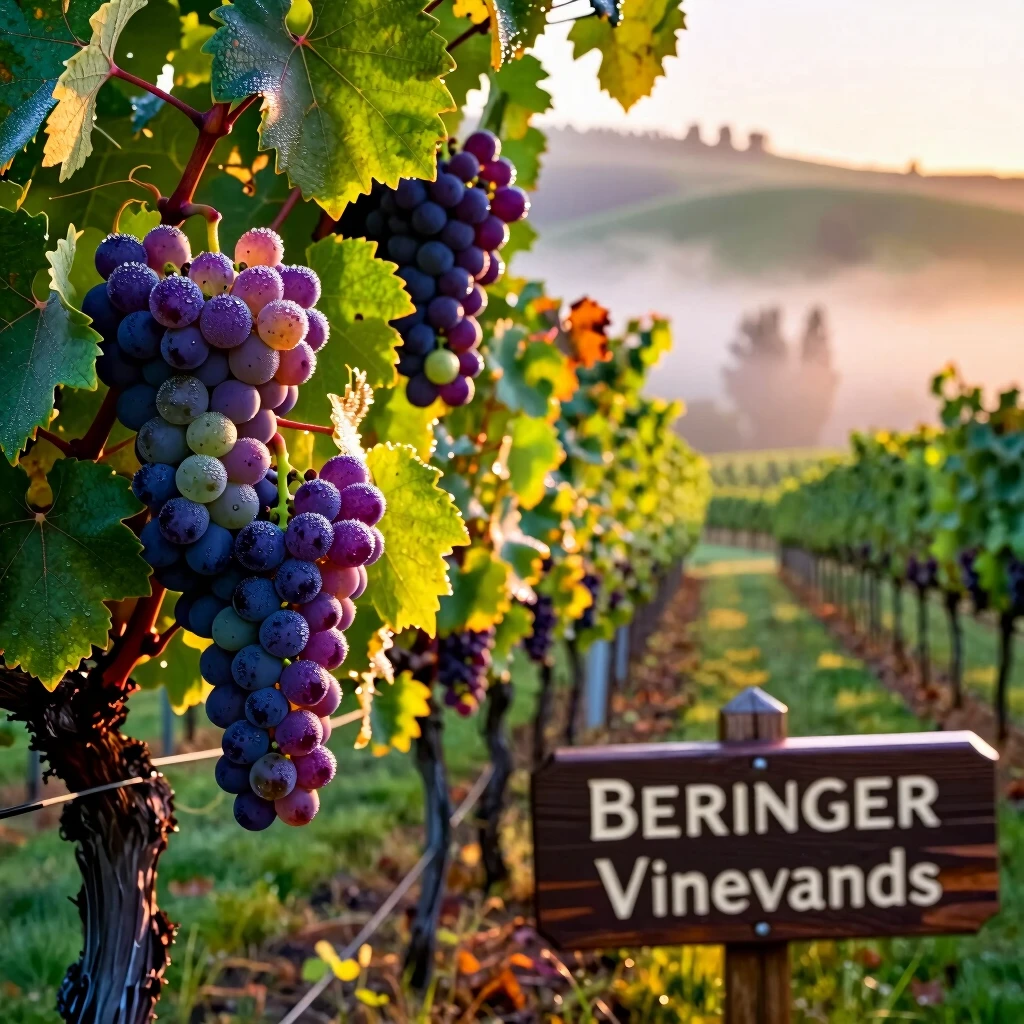
Beringer winemakers treat vines like family. They prune in winter to shape growth and ensure airflow. Spring brings bud break, where tiny green shoots peek out. By summer, clusters swell under careful watch.
Sustainability drives every move. Beringer uses drip irrigation to sip water wisely—up to 30% less than old methods. They add compost to feed soil microbes, skipping harsh chemicals. Sensors track moisture, so vines get just what they need. This green approach? It yields healthier grapes and tastier wines.
I've walked these rows myself during a Napa visit. The air hums with life—bees buzzing, earth rich and loamy. It's clear: happy vines make happy wines.
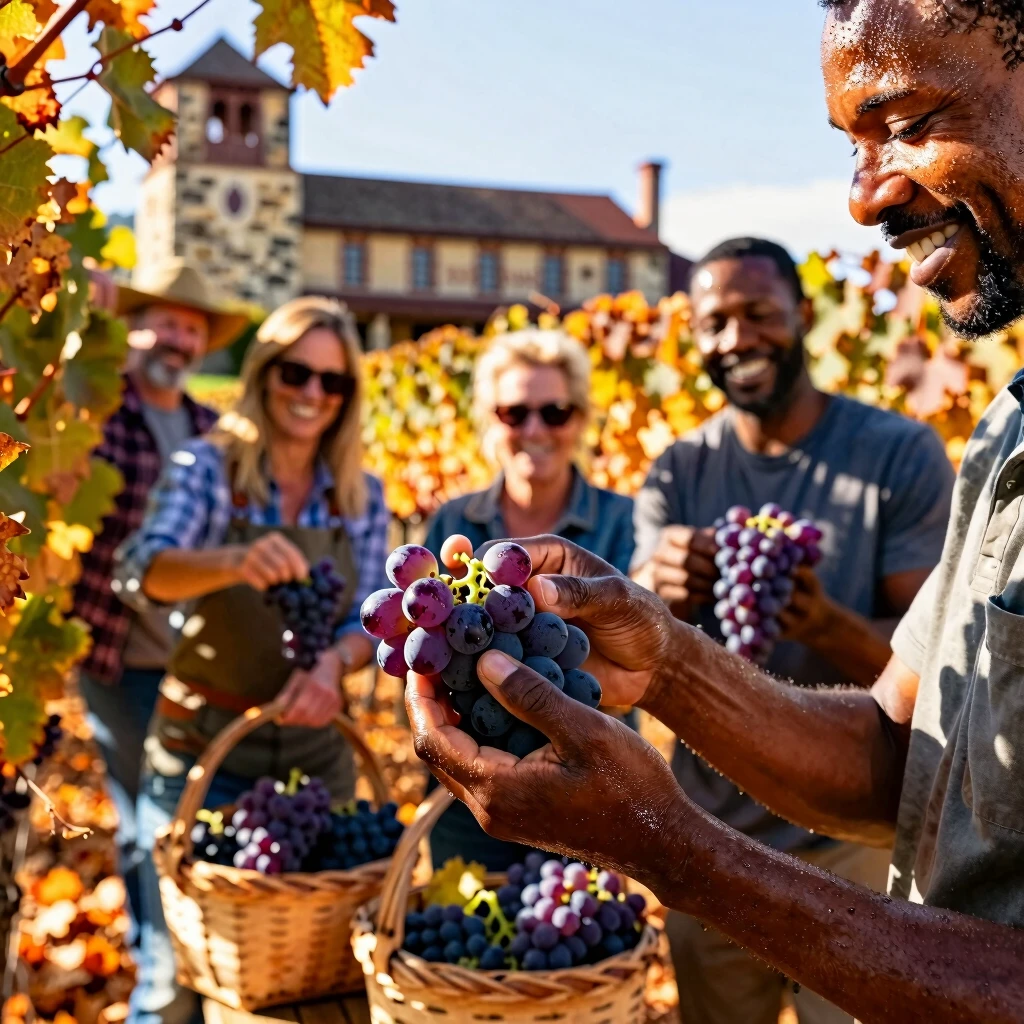
Harvest time hits like a festival. From late September to early November, teams fan out at dawn. Beringer mixes hand-picking for premium lots with machines for volume. Why hand-pick? It lets pickers snip only ripe clusters, dodging underripe or bird-pecked ones.
For the 2023 Private Reserve Chardonnay, grapes came from Oakville's Gamble Ranch—Wente Clone vines planted in 1976. Picked October 8 to November 1, they arrived cool and pristine. Cabernet from Knights Valley? Harvested October 10-25, 2019, after a gentle season of rain and fog that locked in freshness.
Once in, grapes head straight to the winery. Speed matters—delays can sour quality. Here's a quick look at key varietals and their harvest vibes:
| Varietal | Typical Harvest Window | Key Beringer Source | Flavor Notes from Terroir |
|---|---|---|---|
| Cabernet Sauvignon | Late October | Knights Valley | Bold black fruit, firm tannins |
| Chardonnay | Early to mid October | Oakville AVA | Crisp apple, creamy texture |
| Merlot | Mid October | Rutherford | Plush plum, soft edges |
This table shows how site picks shape the Beringer wine production process.
Crushing and Fermentation: Awakening the Juice
Grapes tumble into destemmers, shedding stems that could add green, bitter notes. Then, gentle crushers release juice—called 'free run' for its purity. Skins and seeds form the 'must' for reds.
Fermentation kicks in next. Yeast gobbles sugars, spitting out alcohol and CO2. Tanks hum for days to weeks, temps held at 75-85°F for reds, cooler for whites. Beringer uses native yeasts from the vineyard for that authentic Napa zing.
For reds like Knights Valley Cabernet, extended maceration soaks skins longer—up to four weeks. This pulls deep color and silky tannins. Whites? Pressed right away to keep things light and bright.
Malolactic fermentation follows for many reds and some whites. Bacteria swap sharp malic acid (think green apples) for soft lactic acid (like cream). It adds buttery smoothness. In the 2023 Chardonnay, full barrel ferment in French oak amps richness—no stainless steel shortcuts here.
Now, the soul-stirring part: aging. Beringer's hand-dug caves cradle barrels at perfect coolness. French oak dominates—vanilla, spice, toast notes seep in slowly.
Chardonnays age 8 months, 50% new oak, with lees stirred bi-monthly for creamy mouthfeel. That 'batonnage' technique? It builds body without heaviness. Cabernets? 15-18 months, 30% new, letting fruit evolve into velvet.
Blending and Bottling: The Final Symphony
Winemaker Mark Beringer—great-great-grandson of founder Jacob—tastes hundreds of lots. He blends like a chef, mixing parcels for balance. A dash of this mountain Cab, a splash of valley Merlot—magic happens.
Bottling seals the deal under sterile conditions. Corks pop in, labels wrap tight. Each bottle rests briefly, then ships to eager hands. Beringer's Private Reserve Cabernet? It nabbed Wine Spectator's Wine of the Year in 1990—proof of blending brilliance.
Sustainability threads through the Beringer wine production process like a green vein. Solar panels power the winery. Cover crops between rows fight weeds naturally. Biodiversity thrives—owls hunt pests, bees pollinate.
In my tastings, these efforts shine. Beringer wines taste alive: vibrant fruit, clean finish, no off notes. It's wine that respects the land and rewards the drinker.
Personal Reflections: Why Beringer Captivates
I've swirled many glasses, but Beringer's pull is personal. On a foggy Napa morning tour, I watched dawn light grapes. Tasted barrel samples—raw power turning to poetry. Among wine brands, Beringer feels like an old friend: reliable, full of stories.
For home enthusiasts, try this: Pair their Knights Valley Cab with grilled ribeye. The tannins cut fat, fruit hugs the smoke. Or chill a Chardonnay for seafood—oaky cream meets briny sea. Actionable? Visit Beringer.com for virtual tours; book a real one to feel the pulse.
The Beringer wine production process isn't just steps—it's a legacy. From 1876's first crush to today's eco-savvy blends, it honors roots while reaching forward. Whether you're a newbie sipper or seasoned collector, Beringer delivers joy in every pour.
Next time you uncork one, think of those caves, those hands in the dirt. That's the Beringer way: simple, profound, timeless.