How Vineyards Are Saving the Environment
A Quick Overview
Vineyards aren't just about great wine—they're becoming key players in environmental protection. Through smart practices like water conservation and soil health, these green spaces fight climate change and boost biodiversity. In this article, we'll dive into how they're making a real difference, with tips you can use next time you sip a glass.
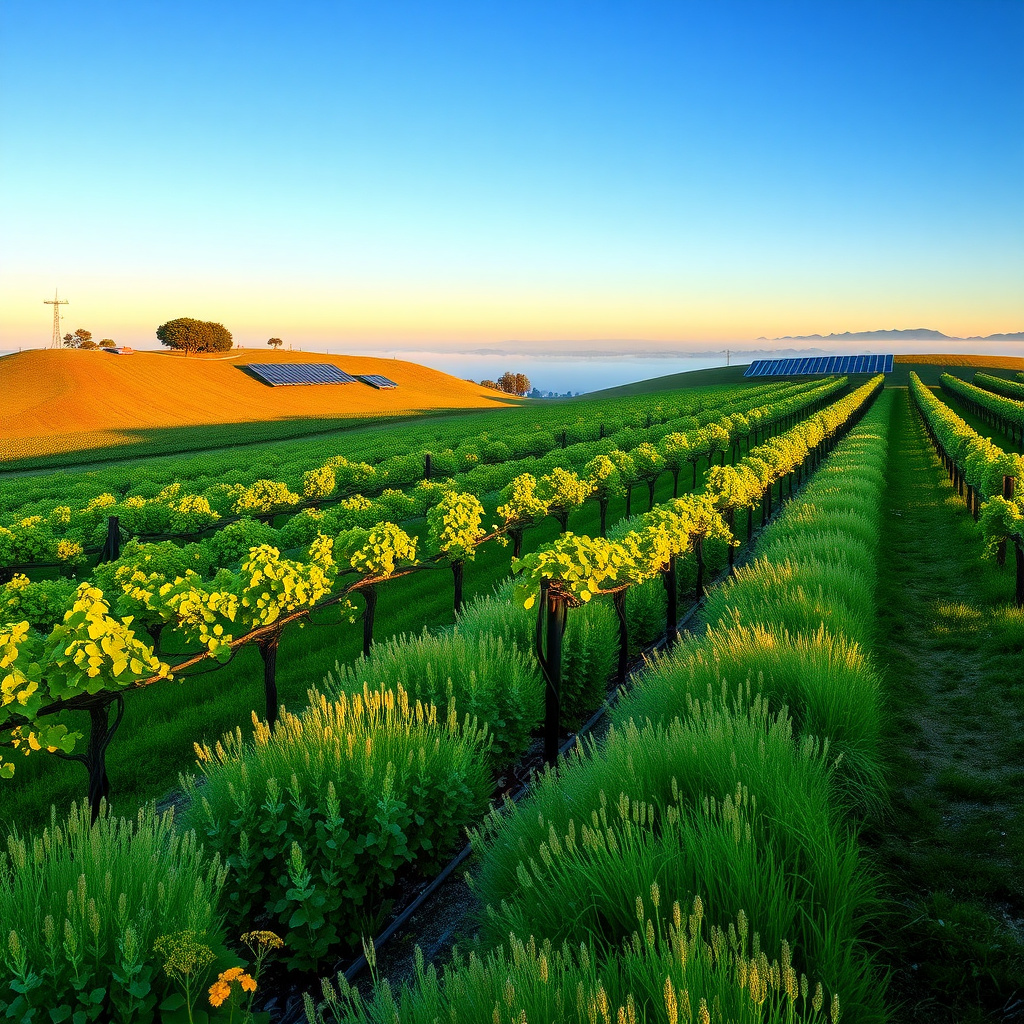
Picture this: You're strolling through rows of grapevines on a sunny afternoon. The air smells fresh, birds chirp overhead, and the soil feels alive under your feet. That's the magic of modern vineyards. They're not draining the planet anymore. Instead, they're giving back. How Vineyards Are Saving the Environment starts with a shift in mindset. Winemakers now see their land as a living system, not just a factory for bottles.
I remember my first visit to a vineyard in Sonoma. The owner, a third-generation farmer, showed me how they'd cut chemical use in half. It wasn't easy, but the vines thrived, and the wine tasted even better. That's the story we're telling here—real changes that benefit us all.
Understanding Sustainable Winegrowing
At its heart, sustainable winegrowing balances people, planet, and profit. It's about growing grapes without harming the earth for future harvests. For a deeper dive, check out Sustainable Winegrowing: A Practical Guide by Cliff Ohmart (link to book). This book lays out steps any grower can follow, from soil tests to pest management.
Why does this matter? Traditional farming often relies on heavy chemicals that pollute rivers and kill beneficial insects. Sustainable methods flip that script. They build resilience against droughts and pests, which are getting worse with climate change.
Let's break down the big wins. Here's a quick list of core practices:
- Soil Health: Add compost and plant cover crops to feed the ground.
- Water Savings: Use drip systems instead of sprinklers.
- Biodiversity Boost: Invite bees and birds by leaving wild edges.
- Energy Smarts: Switch to solar power for winery operations.
These aren't fancy trends. They're proven tools that cut waste and costs.
Building Healthy Soil, One Vine at a Time
Soil is the unsung hero of every vineyard. Healthy dirt holds water better, fights erosion, and traps carbon from the air. Growers now skip synthetic fertilizers, which wash away and harm waterways. Instead, they turn to compost made from grape pomace—the leftover skins and seeds after pressing.
Take regenerative farming, a step beyond basic sustainability. It focuses on rebuilding ecosystems. In one study from the Wine Institute (link), vineyards using these methods saw 20% less erosion. I've chatted with farmers who swear by it. 'Our soil was dead before,' one told me. 'Now it's teeming with worms and microbes.'
Water Conservation: Every Drop Counts
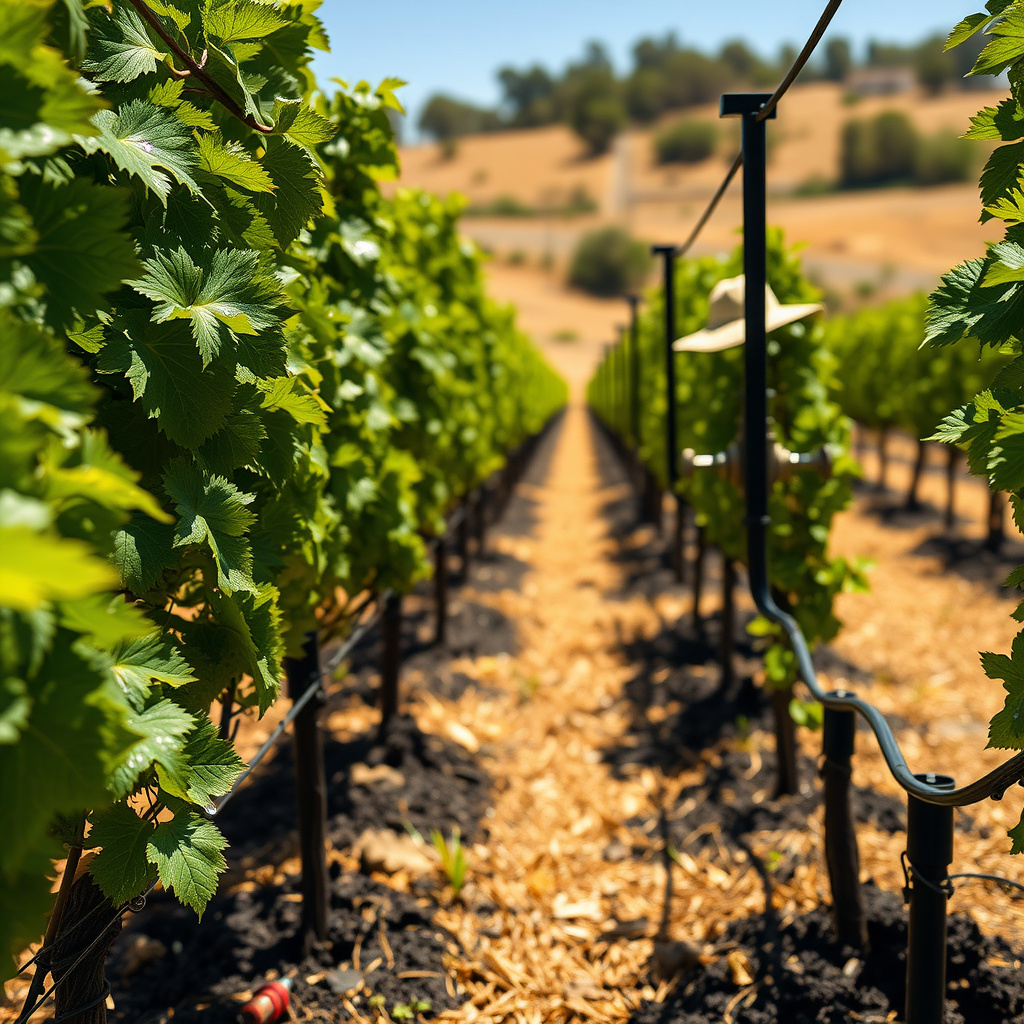
Water shortages hit vineyards hard, especially in warming climates. But smart tech is turning the tide. Drip irrigation delivers water straight to vine roots, cutting use by up to 60%. Rainwater harvesting catches storms in tanks for dry spells.
In California, where droughts are routine, this isn't optional—it's survival. During my trip to a Central Coast winery, I watched crews monitor soil moisture with sensors. No guesswork, just data. The result? Fuller reservoirs and happier vines. Sustainable Practices in Modern Winemaking, as outlined in guides from Cornerstone Cellars (link), emphasize these tools for long-term viability.
Beyond tech, it's about mindset. Growers plant drought-resistant rootstocks and mulch rows to lock in moisture. One actionable tip: If you're planting a home garden, try the same. Mulch with straw—it works wonders for veggies too.
These efforts ripple out. Cleaner rivers mean healthier fish and communities downstream.
Fostering Biodiversity: Nature's Allies
Vineyards were once monocultures—endless grapes, nothing else. Now, they're habitats. Growers leave hedgerows for birds that eat pests and install beehives for pollination. Cover crops between rows attract ladybugs, nature's aphid fighters.
This isn't fluff. A report from Laurel Haven Estate (link) shows biodiverse plots yield steadier crops. Pests drop because predators move in. I once joined a harvest where owls nested in the barn. The crew called them 'the real pest control.' It felt right, like the land was partnering with us.
To get started, plant native flowers around your vines. It's simple and draws in butterflies. Over time, you'll see fewer sprays needed.
Cutting Carbon: Green Energy in the Glass
Wineries guzzle energy for crushing, bottling, and cooling. Solar panels and efficient lights change that. Many now run on 100% renewable power, slashing emissions.
Carbon farming takes it further. Practices like no-till planting store CO2 in soil. Jackson Family Wines, a sustainability leader, has saved millions through these steps (link to report). Their 'Rooted for Good' plan aims for net-zero by 2050.
The Rise of New World Wines: Innovation Meets Sustainability
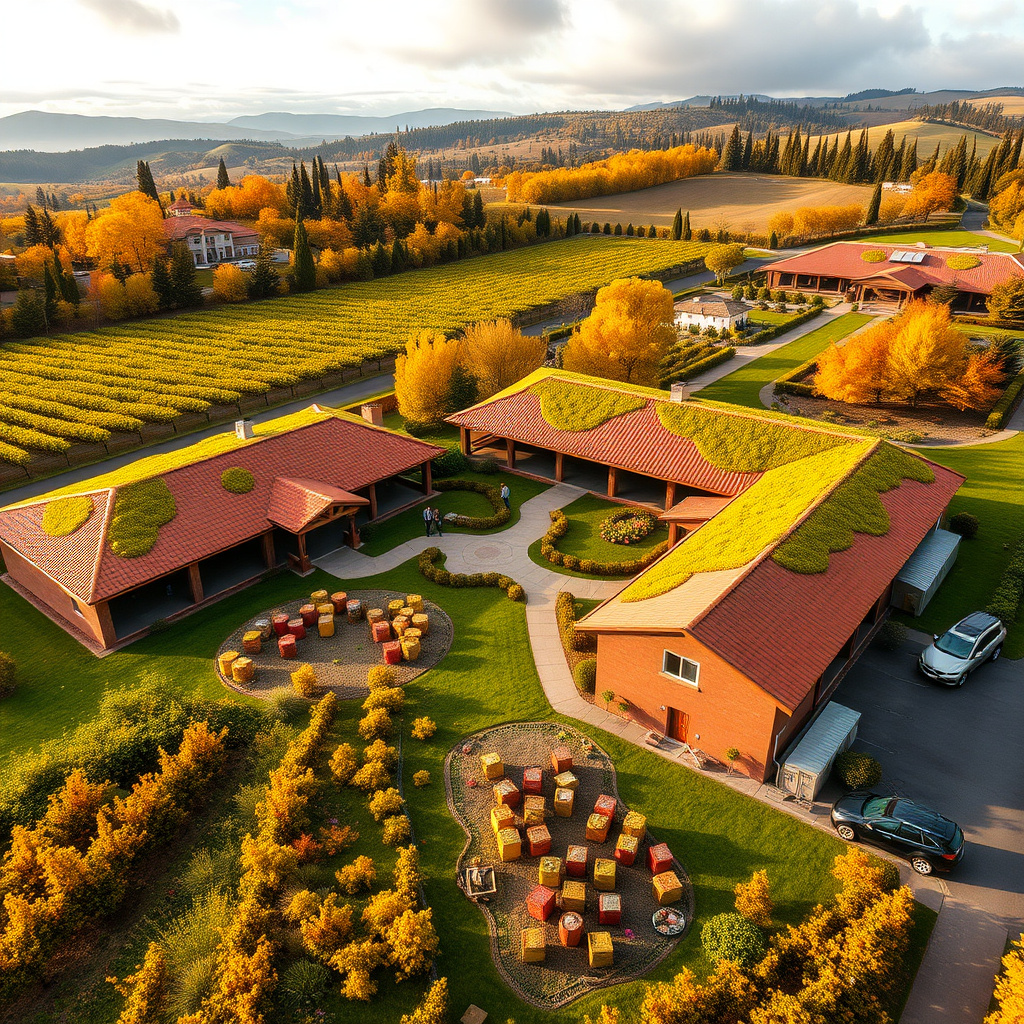
Old World wines from Europe set traditions, but New World spots like California, Australia, and Chile lead in green tech. These regions face harsh climates, so adaptation is key. The Rise of New World Wines: A Comprehensive Guide highlights how they're blending bold flavors with eco-smarts (link to guide insights).
Think fruit-forward Chardonnays from warmer Aussie vineyards, grown with precision irrigation. It's exciting— these wines taste of place and purpose.
Jackson Family Wines vs. Other Brands: A Sustainability Showdown
When pitting Jackson Family Wines vs other wine brands, sustainability stands out. While giants like Constellation focus on volume, Jackson emphasizes impact. They've invested in regenerative ag across 40+ wineries, yielding $26 million in savings from efficiency alone.
Compare that to European peers struggling with old rules. Jackson's model—solar farms, biodiversity audits—sets a benchmark. Other brands like Organic Wine Works follow suit, but Jackson's scale amplifies it. As one insider put it, 'We're farming for tomorrow's table.' If you're choosing bottles, look for their labels; it's wine with a conscience.
| Aspect | Jackson Family Wines | Typical Competitor |
|---|---|---|
| Carbon Reduction | Net-zero goal by 2050 | Varies, often slower |
| Water Use | 30% less via tech | Standard irrigation |
| Biodiversity | On-site habitats | Minimal focus |
| ROI from Green | $26M saved | Emerging |
This table shows why they're ahead. It's not just talk—it's results.
Your Actionable Guide to Green Sipping
Want to join the movement? Start small:
- Buy Smart: Seek certified sustainable labels like SIP or Fish Friendly Farming.
- Visit Responsibly: Tour eco-vineyards and learn their stories.
- At Home: Compost kitchen scraps for your garden—mimic vineyard methods.
- Advocate: Support policies for clean ag in your area.
These steps make a difference. I've tried them in my backyard plot, and the tomatoes exploded with flavor.
Wrapping It Up
How Vineyards Are Saving the Environment boils down to care— for land, water, and wildlife. From soil revival to solar power, these changes prove wine can heal as much as it delights. Next pour, raise a glass to the growers leading the way. The planet thanks you.