How Soil Shapes Your Favorite Wines
A Sip of the Earth: Why Soil Matters in Wine
Ever wonder why your favorite Cabernet Sauvignon or Chardonnay tastes so unique? The secret lies beneath the vines—literally. The soil where grapes grow plays a huge role in shaping a wine’s flavor, aroma, and character. This isn’t just dirt we’re talking about; it’s the heart of what makes wines special. In this guide, we’ll dig into How Soil Shapes Your Favorite Wines, exploring the magic of terroir and how winemakers, like those at Beringer, harness it to create unforgettable bottles.
What Is Terroir and Why Does It Matter?
Terroir is a fancy French word that sums up everything about a vineyard’s environment—soil, climate, slope, and even human touch. Think of it as the grape’s hometown, giving it personality. According to Understanding Wine Terroir by Wine Enthusiast, terroir is the reason a Pinot Noir from Burgundy tastes wildly different from one grown in Oregon, even if the grape variety is the same. Soil is the backbone of terroir, feeding the vines and influencing how grapes develop their sugars, acids, and flavors.
I remember my first visit to a vineyard in Napa Valley. Walking through the rows of vines, I noticed how the ground changed from one plot to another—rocky here, sandy there. The winemaker explained that these differences create distinct flavors in the wine. It was like the earth was whispering its story into every grape.
The Role of Soil in Wine Quality
Soil does more than just hold the vines in place. It controls water, nutrients, and even the temperature around the roots. Different soils produce different results, and winemakers obsess over this. The Role of Terroir in Wine Quality isn’t just about taste—it’s about how soil shapes the entire winemaking process. Let’s break down the main soil types and their impact on wine:
| Soil Type | Characteristics | Wine Impact |
|---|---|---|
| Clay | Holds water, rich in nutrients | Full-bodied wines with bold flavors |
| Sand | Drains quickly, low nutrients | Lighter, aromatic wines |
| Limestone | Chalky, good drainage | Crisp, mineral-driven wines |
| Volcanic | Rocky, mineral-rich | Complex, smoky, or earthy notes |
| Loam | Balanced mix of sand, silt, clay | Well-rounded, versatile wines |
For example, the limestone soils in France’s Champagne region give those famous bubbles their crisp, mineral edge. Meanwhile, volcanic soils in places like Sicily add a smoky depth to reds. Next time you sip a wine, think about the soil it came from—it’s like tasting the earth itself.
How Beringer Harnesses Soil in Winemaking
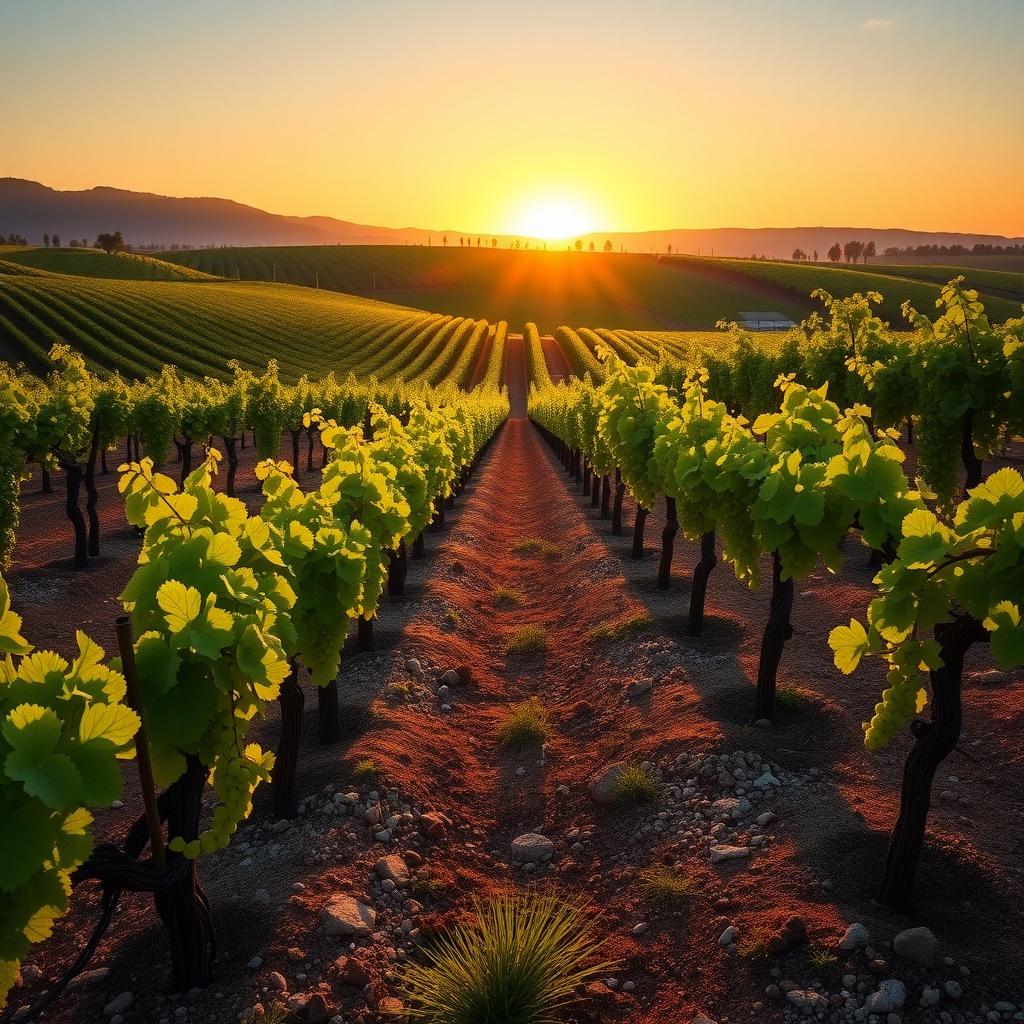
Beringer, one of Napa Valley’s oldest and most respected wineries, knows a thing or two about soil. Their vineyards span diverse soil types, from volcanic tuff to gravelly loam, and they use this variety to craft their award-winning wines. The Beringer wine production process is a masterclass in letting soil shine.
At Beringer, winemakers carefully match grape varieties to specific soils. For instance, Cabernet Sauvignon thrives in the gravelly, well-drained soils of their Howell Mountain vineyard, producing bold, structured wines. Chardonnay, on the other hand, loves the cooler, clay-heavy soils of their Carneros plots, which yield creamy, balanced flavors. They don’t just plant and hope—they study the soil like scientists, testing its composition and adjusting their techniques to bring out the best in every grape.
I once tasted a Beringer Cabernet from their Knights Valley vineyard, and the rich, blackberry notes with a hint of spice screamed of the volcanic soil it came from. It was a reminder that great wine starts with great dirt.
How Soil Affects Flavor Profiles
Soil doesn’t just feed the vines—it shapes what you taste in the glass. Here’s how different soils influence wine flavors:
- Clay Soils: These hold water well, so vines grow strong and produce grapes with intense fruit flavors. Think bold reds like Merlot or Malbec.
- Sandy Soils: Quick-draining sand stresses vines, leading to smaller grapes with concentrated aromas. Perfect for delicate whites like Sauvignon Blanc.
- Limestone Soils: These add a chalky, mineral quality, giving wines like Chablis a crisp, flinty edge.
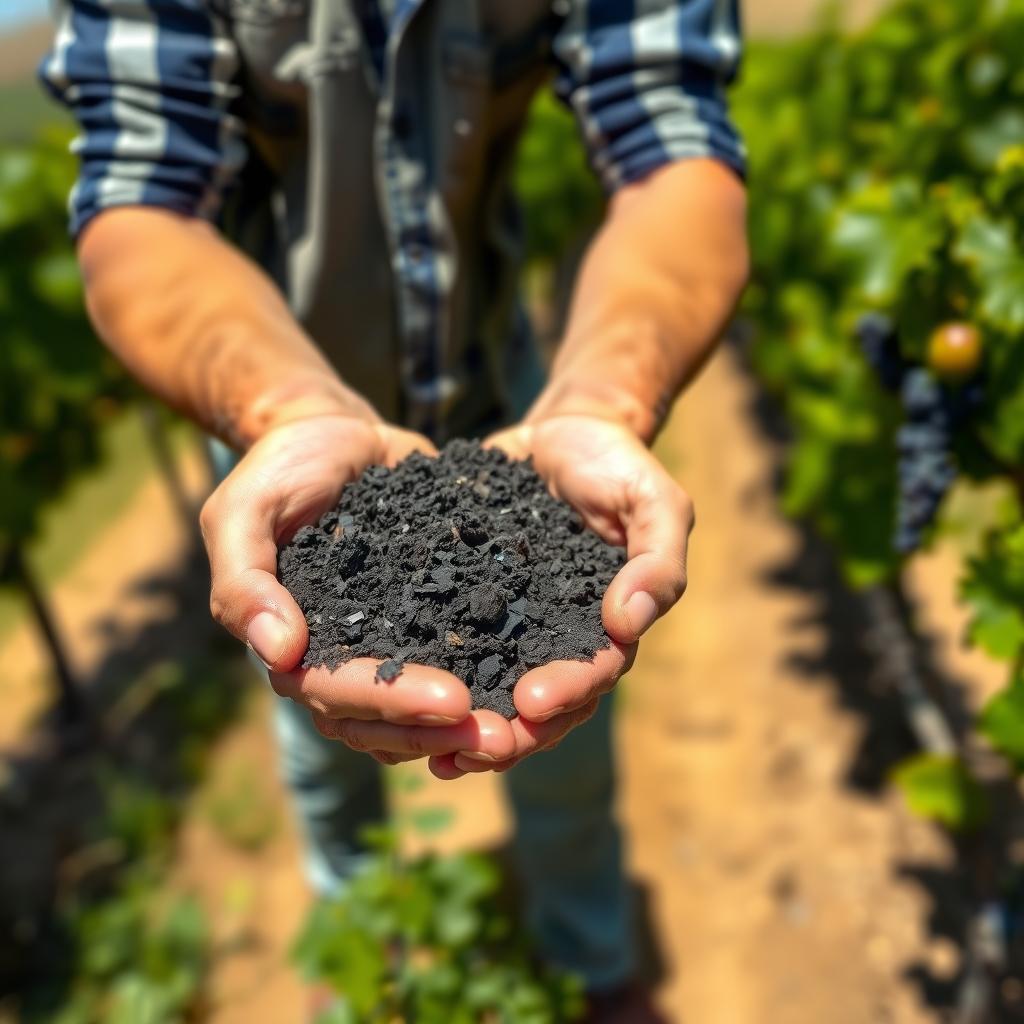
- Volcanic Soils: They bring earthy, smoky, or even salty notes, as seen in wines from regions like Etna in Sicily.
The Science Behind Soil and Vines
Soil affects vines in ways you can’t see. For example, water drainage determines how much stress a vine endures. Too much water (like in heavy clay) can make grapes watery, diluting flavor. Too little (like in sandy soils) can concentrate flavors but risk stressing the vine too much. Nutrients like nitrogen and potassium also matter—rich soils produce lush vines, while lean soils force vines to focus energy on grapes, boosting quality.
Winemakers like those at Beringer use soil data to decide everything from irrigation to harvest timing. They might even blend grapes from different soils to create a balanced wine. It’s like a chef mixing ingredients to get the perfect dish.
Why Soil Makes Wine Unique
No two vineyards have the same soil, which is why no two wines are exactly alike. Even within a single region, soil can vary wildly. In Bordeaux, for example, the left bank’s gravelly soils produce powerful Cabernet Sauvignon, while the right bank’s clay and limestone favor softer Merlot. This diversity is what makes wine so exciting—every bottle tells a story of its soil.
Next time you’re at a wine tasting, ask about the soil. You’ll be amazed at how much it explains about what’s in your glass. It’s like a secret code that unlocks the wine’s personality.
Tips for Wine Lovers: Tasting the Soil
Want to appreciate soil’s role in your wine? Here are some actionable tips:
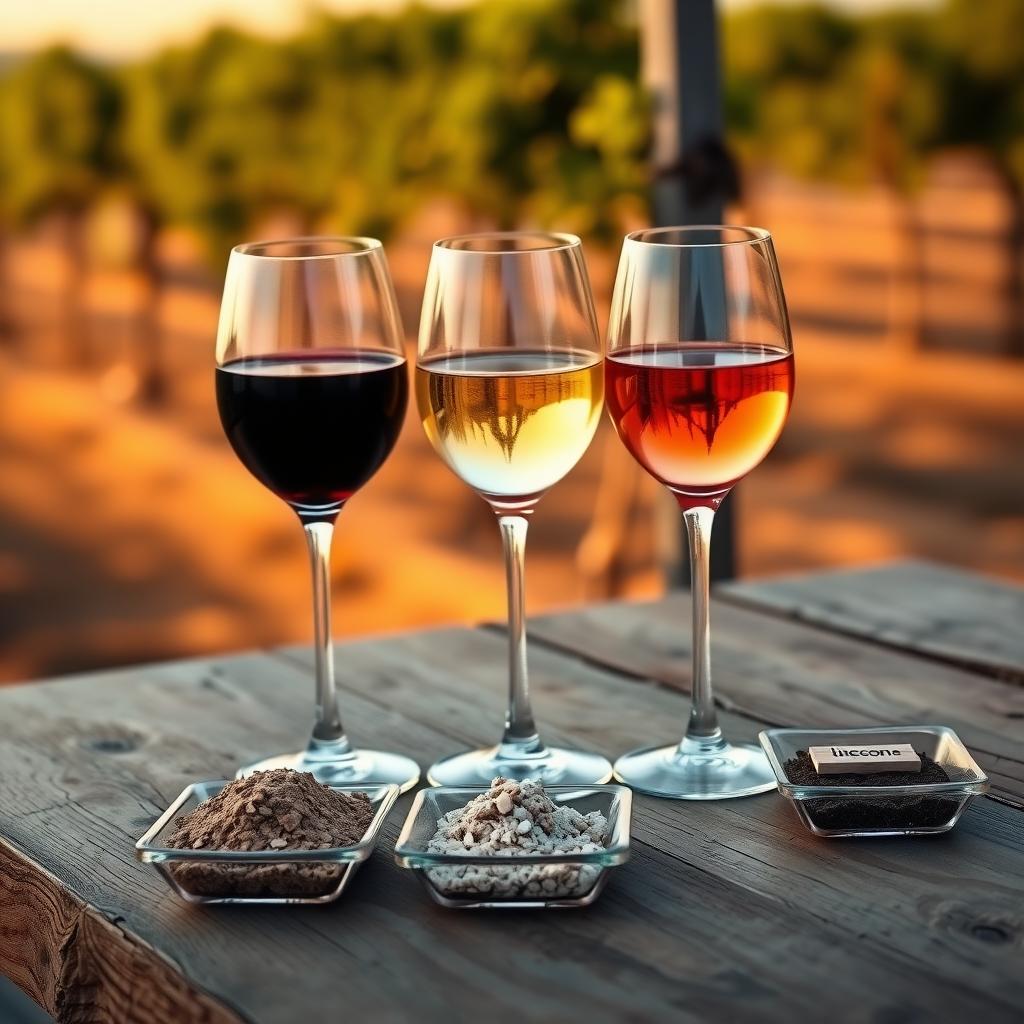
- Compare Wines from Different Regions: Try a Pinot Noir from Burgundy (limestone soil) and one from Oregon (volcanic soil). Notice the difference in minerality and fruit.
- Visit a Vineyard: Seeing and touching the soil makes its impact real. Many wineries, like Beringer, offer tours that explain their terroir.
- Read the Label: Some bottles mention the soil or vineyard site. Look for terms like “volcanic” or “chalky” to get clues about flavor.
- Ask Your Sommelier: They can point you to wines that showcase unique soils.
By paying attention to soil, you’ll deepen your love for wine and impress your friends at the next tasting.
Wrapping It Up: Soil Is the Soul of Wine
Soil isn’t just dirt—it’s the foundation of every great wine. From the rocky hills of Bordeaux to the volcanic slopes of Napa Valley, soil shapes the flavors and aromas that make your favorite wines unforgettable. Wineries like Beringer show how understanding soil can elevate winemaking to an art form. So, next time you pour a glass, raise a toast to the earth that made it possible.