Sustainable Practices in Modern Winemaking: A Family Tradition
A Legacy of Sustainability in Winemaking
Winemaking is more than just crafting a bottle of wine—it’s about nurturing the land, honoring traditions, and building a future for the next generation. Sustainable Practices in Modern Winemaking: A Family Tradition captures this ethos perfectly, especially in family-owned wineries. These estates, often passed down through generations, are leading the charge in eco-friendly practices while staying true to their roots. In this article, we’ll dive into how these wineries balance heritage with innovation, spotlighting leaders like Jackson Family Wines and exploring California’s rich vintner heritage.
Growing up near California’s wine country, I’ve seen firsthand how family-owned wineries pour their hearts into every vine. My neighbor, a third-generation winemaker, once told me, 'The land gives us everything, so we owe it everything back.' That’s the spirit driving sustainable winemaking today. It’s not just about making great wine—it’s about ensuring the land thrives for decades to come.
Why Sustainability Matters in Winemaking
Traditional winemaking can take a toll on the environment. Heavy water use, chemical pesticides, and energy-intensive processes harm ecosystems. Sustainable practices flip the script. They focus on three pillars: environmental care, social responsibility, and economic viability. Family-owned wineries, with their deep connection to the land, are naturals at this. They’re not chasing quick profits—they’re building a legacy.
Take Jackson Family Wines, for example. They’ve set a high bar for sustainability, using organic farming, solar power, and water-saving techniques. Compared to other wine brands, their commitment stands out. While some corporate giants prioritize scale, Jackson Family Wines invests in practices that protect the planet and enhance wine quality. Their approach proves you don’t have to sacrifice taste for ethics.
Vineyard Management: The Heart of Sustainability
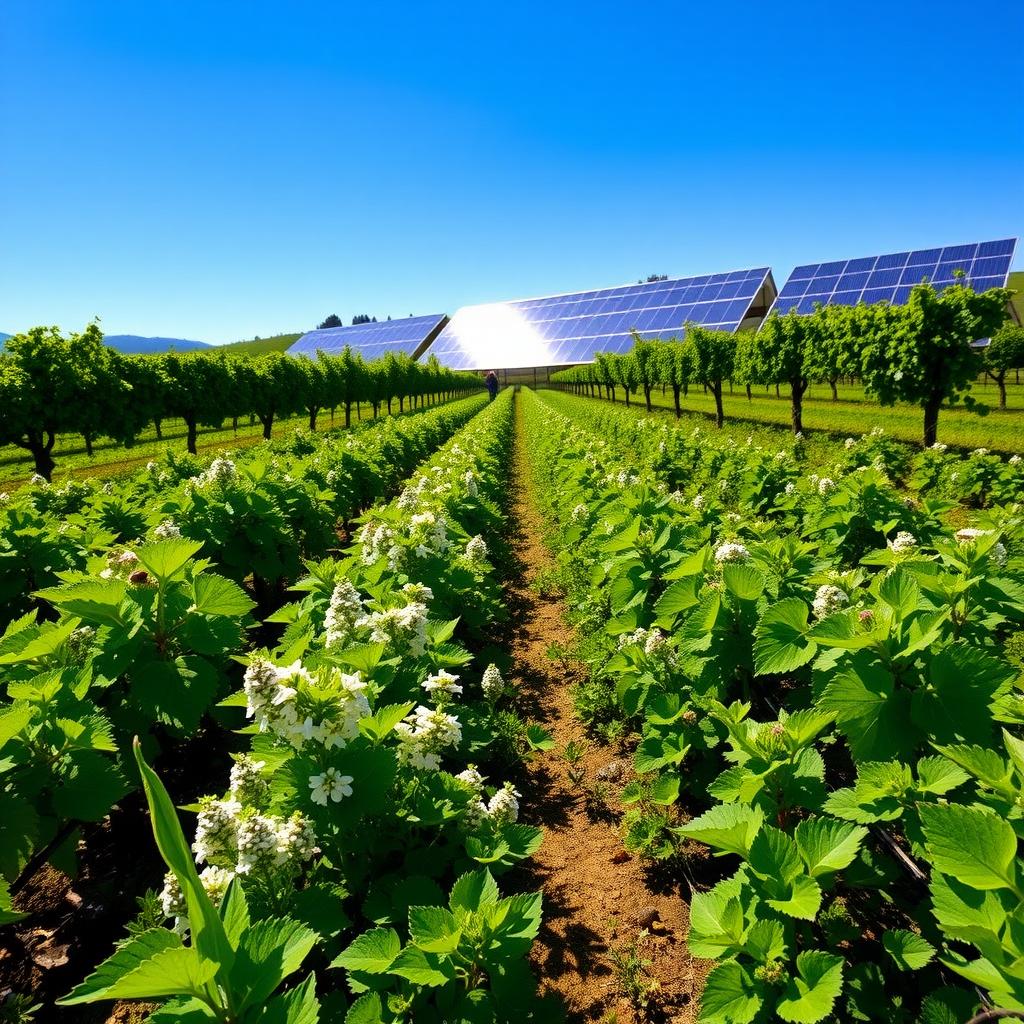
Healthy vineyards are the backbone of great wine. Sustainable wineries use organic and biodynamic farming to keep their soil rich and ecosystems thriving. Instead of synthetic pesticides, they rely on natural solutions. For instance, planting cover crops like clover attracts beneficial insects that eat pests, reducing the need for chemicals. Jackson Family Wines uses this method across their estates, boosting biodiversity and soil health.
Biodynamic farming goes even further. It treats the vineyard as a living system, using compost and lunar cycles to guide planting. I visited a biodynamic winery once, and the air buzzed with life—birds, bees, and even the soil felt alive. These methods aren’t just eco-friendly; they often make wines taste more vibrant, reflecting the land’s unique character.
| Sustainable Vineyard Practice | Benefits |
|---|---|
| Organic Farming | Reduces chemical use, improves soil health |
| Biodynamic Farming | Enhances biodiversity, creates unique flavors |
| Cover Crops | Prevents erosion, attracts beneficial insects |
| Integrated Pest Management | Minimizes pesticide use, supports ecosystem balance |
Water Conservation: Every Drop Counts
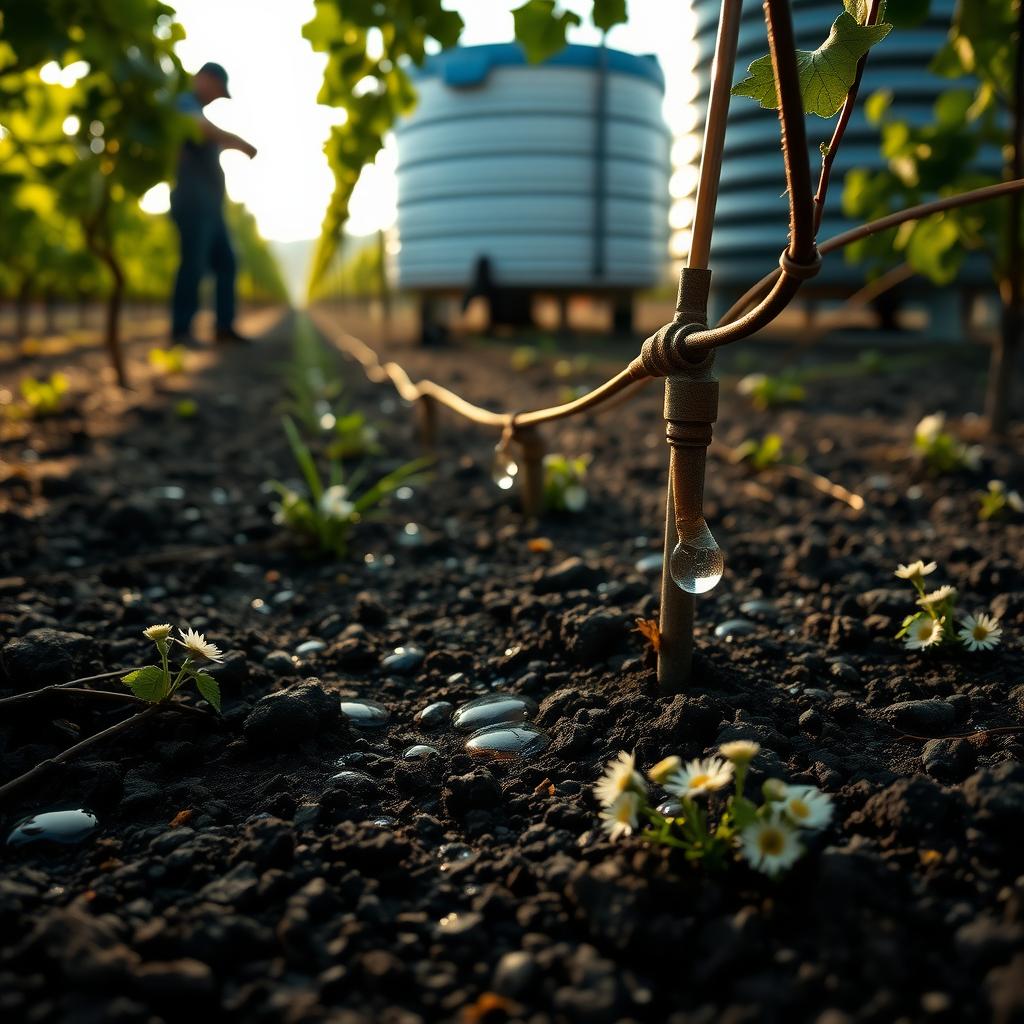
Water is a precious resource, especially in dry regions like California. Sustainable wineries use smart techniques to save water. Drip irrigation delivers water directly to vine roots, cutting waste. Rainwater harvesting systems collect rain for later use. Jackson Family Wines even uses soil sensors to monitor moisture levels, watering only when needed. One of their vineyards slashed water use by 30% with these methods.
I remember chatting with a winemaker who said, 'We treat water like gold.' That mindset is common among family-owned wineries. They know their land depends on it, and they plan for the long haul. Exploring California’s Vintner Heritage Through Local Wineries reveals how these practices are woven into the state’s wine culture, preserving resources for future generations.
Energy Efficiency: Powering a Greener Future
Wineries use a lot of energy—cooling tanks, running bottling lines, lighting tasting rooms. Sustainable wineries are switching to renewables to cut their carbon footprint. Solar panels are a game-changer. Jackson Family Wines powers 30% of its operations with solar energy, reducing reliance on fossil fuels. Other wineries are following suit, installing LED lights and energy-efficient pumps.
I toured a winery with solar panels gleaming on its roof. The owner grinned and said, 'The sun grows our grapes, so why not let it power our winery?' It’s a simple idea with big impact. Energy efficiency doesn’t just save money—it shows a commitment to the planet that resonates with eco-conscious consumers.
Waste Reduction: Turning Trash into Treasure
Winemaking produces waste like grape skins and seeds, called pomace. Instead of tossing it, sustainable wineries get creative. Many compost pomace into fertilizer, enriching their soil. Others recycle bottles and corks or turn pomace into biofuel. Jackson Family Wines pushes for zero-waste goals, even reusing water from cleaning tanks.
At one winery, I saw bins where visitors could toss used corks for recycling. It was a small touch, but it showed how every step counts. These efforts reduce landfill waste and inspire other brands to rethink their processes. Jackson Family Wines vs other wine brands highlights how family-owned estates often outshine corporate competitors in creativity and commitment.
Social Responsibility: People Over Profit
Sustainability isn’t just about the environment—it’s about people too. Family-owned wineries often lead the way in fair wages, safe working conditions, and community support. Family-Owned Wineries: Preserving Heritage in a Corporate World shows how these businesses build loyalty by treating workers like family. Jackson Family Wines offers training and benefits, setting a standard for the industry.
I met a vineyard worker who’d been with a family winery for 20 years. He said, 'They don’t just pay me—they invest in me.' That kind of care builds strong communities and better wines. It’s a reminder that sustainability is about more than just the land—it’s about the people who tend it.
Challenges and Opportunities
Sustainability isn’t easy. Family wineries face challenges like high upfront costs for solar panels or organic certification. Succession issues can also threaten their legacy. Yet, these hurdles come with opportunities. Digital tools, like precision viticulture, help optimize resources. Consumer demand for eco-friendly wines is growing, giving sustainable wineries a market edge.
A study from Emerald Insight notes that family wineries’ deep heritage drives brand loyalty, but they must adapt to stay competitive. Balancing tradition with innovation is key. Jackson Family Wines excels here, blending eco-innovation with their family legacy to create wines that tell a story of care and quality.
A Toast to the Future
Sustainable Practices in Modern Winemaking: A Family Tradition is more than a trend—it’s a movement. Family-owned wineries like Jackson Family Wines show how tradition and innovation can coexist. By prioritizing the land, people, and future generations, they’re crafting wines that taste good and do good. Next time you sip a glass, choose one from a sustainable winery—you’ll taste the difference and feel good about it too.