The Evolution of Sustainable Winemaking: A Path to a Greener Future
A New Era for Winemaking
The wine industry is changing fast. With climate change and consumer demand for eco-friendly products, wineries are adopting sustainable practices to protect the planet while crafting great wines. The Evolution of Sustainable Winemaking is not just a trend—it’s a commitment to better farming, smarter resource use, and stronger communities. Jackson Family Wines, a leader in this movement, shows how it’s done with innovative strategies that balance quality and environmental care.
Why Sustainability Matters in Winemaking
Winemaking depends on nature—healthy soil, clean water, and stable climates are critical. But challenges like droughts, wildfires, and rising temperatures threaten vineyards worldwide. Sustainable winemaking tackles these issues head-on. It means using fewer chemicals, saving water, and reducing carbon emissions. The goal? Keep vineyards thriving for decades while making wines that taste amazing. For me, visiting vineyards in California’s Sonoma County showed how these practices create healthier ecosystems and better wines.
The Rise of Sustainable Practices
Sustainable winemaking isn’t new, but it’s come a long way. In the past, farmers used basic methods like crop rotation to keep soil healthy. Today, technology and science drive progress. Wineries use drones to monitor soil moisture, solar panels for clean energy, and regenerative farming to store carbon in the ground. These advances make vineyards more resilient. According to a study from UC Davis, sustainable practices can reduce water use by up to 20% and improve soil health, leading to stronger vines and tastier grapes.
Jackson Family Wines: A Leader in Sustainability
Jackson Family Wines is a standout in this shift. Based in Sonoma County, this family-owned company produces over 6 million cases of wine yearly, including popular wine brands like Kendall-Jackson and La Crema. Their commitment to sustainability started decades ago, rooted in founder Jess Jackson’s belief: “Take care of the land, and it will take care of you.” Their sustainable practices at Jackson Family Wines include using renewable energy, conserving water, and transitioning to regenerative farming.
Rooted for Good: A Bold Plan
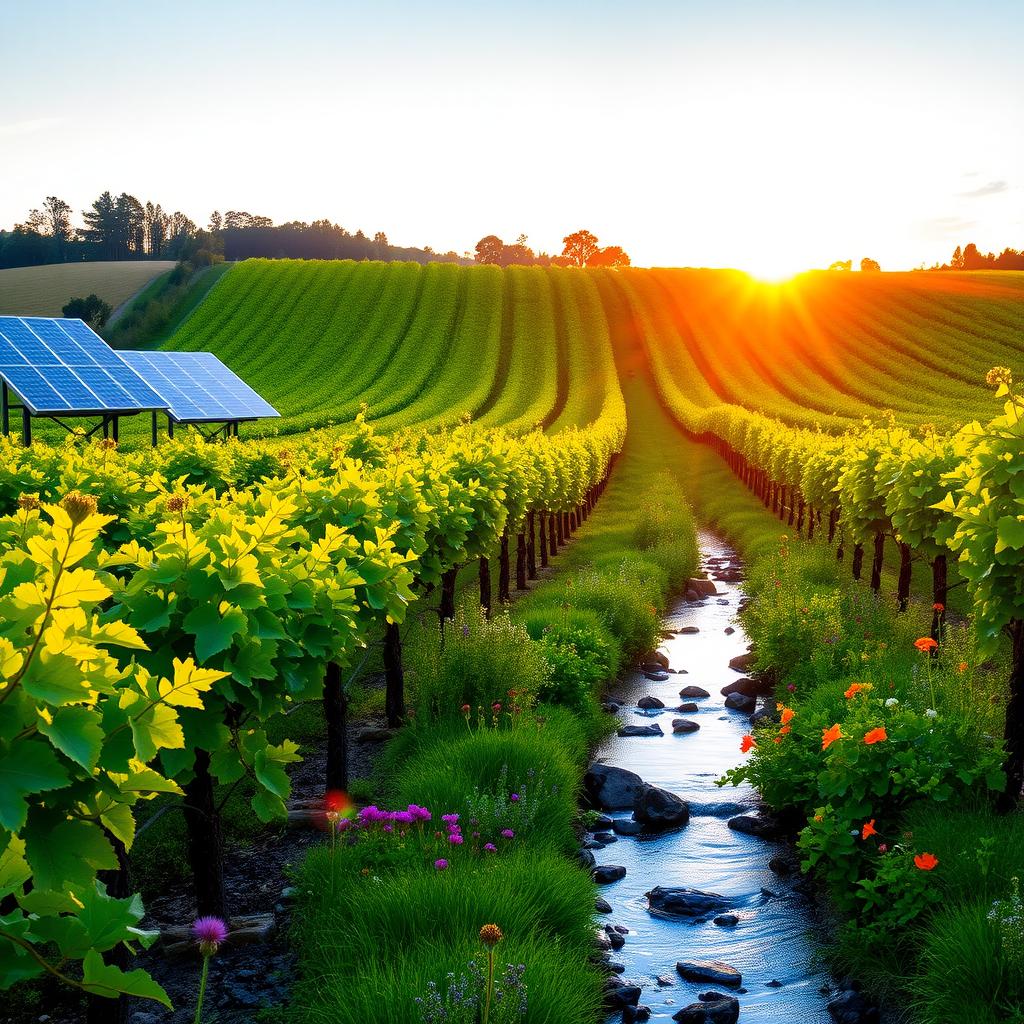
In 2021, Jackson Family Wines launched their Rooted for Good initiative, a 10-year plan to cut carbon emissions in half by 2030 and become climate-positive by 2050. This isn’t just talk—they’ve already reduced emissions by 17.5% since 2015. They’ve installed over 23,000 solar panels, powering 30% of their operations, making them the largest solar energy generator in the U.S. wine industry. They also use lightweight bottles to reduce transport emissions, saving over $26 million through these efforts.
Regenerative Farming: Healing the Land
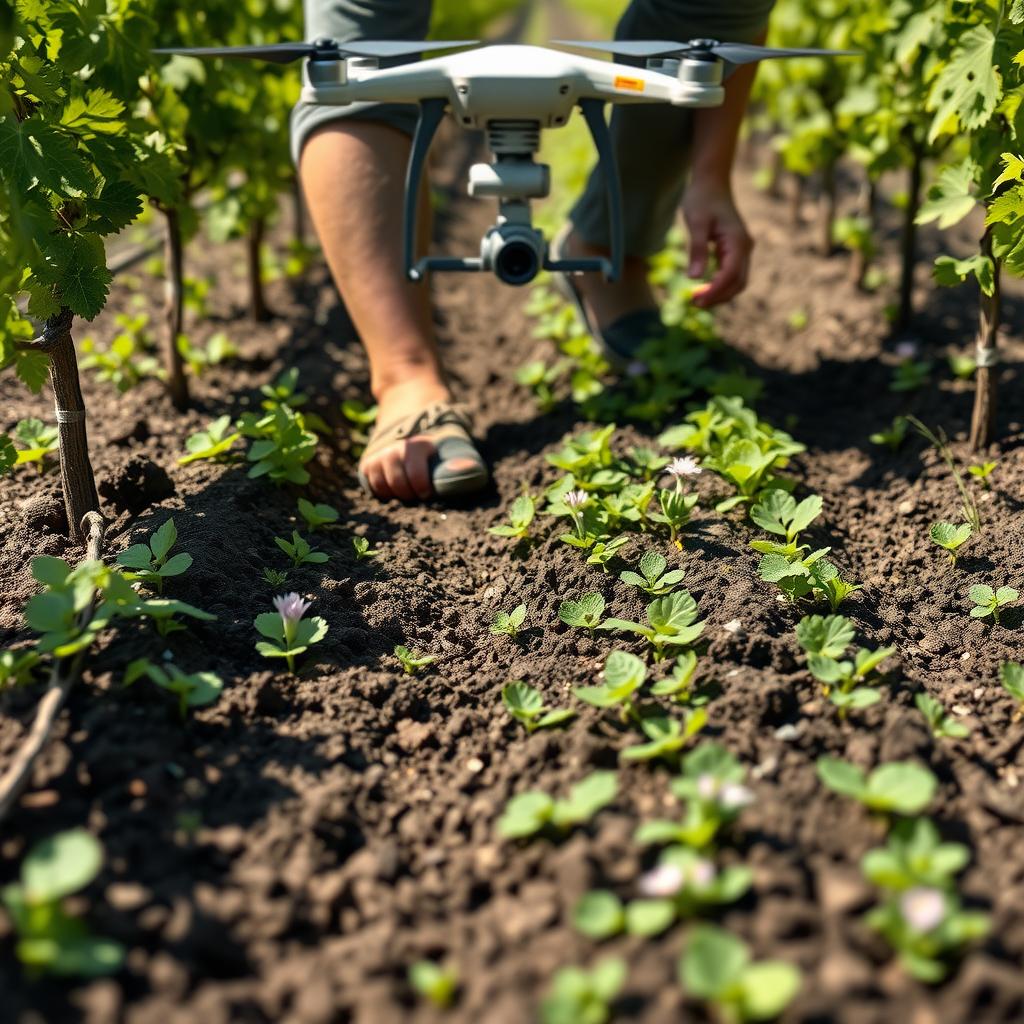
One of Jackson Family Wines’ biggest goals is to transition all their estate vineyards to regenerative farming by 2030. This method goes beyond sustainability—it rebuilds soil health and captures carbon. They use cover crops, compost from grape skins, and minimal tilling to keep carbon in the ground. A report by the California Sustainable Winegrowing Alliance shows regenerative practices can improve soil fertility by 15% and reduce carbon emissions significantly. I saw this in action at their Kellogg vineyard, where healthier soils led to more vibrant wines.
Water Conservation: Every Drop Counts
Water is precious in winemaking, especially in drought-prone areas like California. Jackson Family Wines uses smart irrigation systems that monitor soil moisture to water only when needed. They also recycle wastewater and capture rainwater for reuse. At their Oakville facility, they’ve restored streams to support endangered species like coho salmon. These efforts show how wineries can protect local ecosystems while saving resources. Walking through their vineyards, I was struck by how every drop of water was used thoughtfully.
Technology Meets Tradition
Technology plays a huge role in The Evolution of Sustainable Winemaking. Jackson Family Wines uses drones and satellites to track vineyard health, spotting issues like pests or drought stress early. They sanitize fermentation tanks with ultraviolet light to save water—a small but impactful change. These tools don’t replace the art of winemaking; they enhance it. By blending tradition with innovation, they ensure high-quality wines without harming the environment.
Social Responsibility: Beyond the Vineyard
Sustainability isn’t just about the environment—it’s about people too. Jackson Family Wines invests in their workers and communities. They’ve boosted diversity, with 61% of their winemakers being women, far above the industry average of 10-14%. They offer scholarships, mentorships, and career programs to support underrepresented groups. Visiting their facilities, I felt the sense of community—employees were proud to work for a company that values them.

Challenges and Opportunities
Switching to sustainable practices isn’t easy. It costs money—Jackson Family Wines has invested over $19 million since 2015. Smaller wineries may struggle to afford these changes. But the payoff is worth it. Sustainable wines attract eco-conscious consumers, and healthier vineyards mean better grapes. Plus, partnerships like the International Wineries for Climate Action, co-founded by Jackson Family Wines, help share knowledge and resources, making sustainability accessible to all.
The Future of Winemaking
The Evolution of Sustainable Winemaking is ongoing. As climate challenges grow, wineries like Jackson Family Wines are setting the standard. Their focus on renewable energy, regenerative farming, and social equity shows that sustainability and quality can go hand in hand. Other wineries are following suit, inspired by their success. I believe the future of wine lies in these practices—caring for the land and people ensures great wines for generations.
Summary
The wine industry is embracing sustainability to combat climate change and meet consumer demand. Jackson Family Wines leads the way with their Rooted for Good plan, using solar power, regenerative farming, and water conservation to create top wine brands like Kendall-Jackson. Their efforts prove that eco-friendly practices can enhance wine quality while protecting the planet.