The Science of Winemaking Explained: From Vine to Glass
A Journey from Grape to Glass
Winemaking is more than just a craft—it’s a blend of science, art, and passion. The Science of Winemaking Explained reveals the intricate processes that turn humble grapes into the bottles we cherish. From the vineyard to your glass, every step involves careful decisions, precise techniques, and a touch of creativity. This article explores the science behind winemaking, the rise of small wine brands, and the strategies that propelled companies like Jackson Family Wines to global fame.
The Science of Winemaking Explained
At its core, winemaking is about transformation. Grapes, bursting with natural sugars, are the starting point. The magic happens during fermentation, where yeast—a tiny, living organism—converts those sugars into alcohol and carbon dioxide. This process, which dates back to 6000 BC in ancient Georgia, is the heartbeat of winemaking. I remember visiting a vineyard in Sonoma, where the winemaker explained how they carefully select yeast strains to shape the wine’s flavor, like adding a hint of buttery smoothness to a Chardonnay.
The journey begins in the vineyard. Grapes are harvested at peak ripeness, when their sugar, acid, and flavor are perfectly balanced. Timing is critical—pick too early, and the wine may taste sharp; too late, and it could be overly sweet. After harvesting, grapes are crushed to release their juice, called 'must.' Some winemakers rely on natural yeast found on grape skins, while others add specific strains to control the outcome.
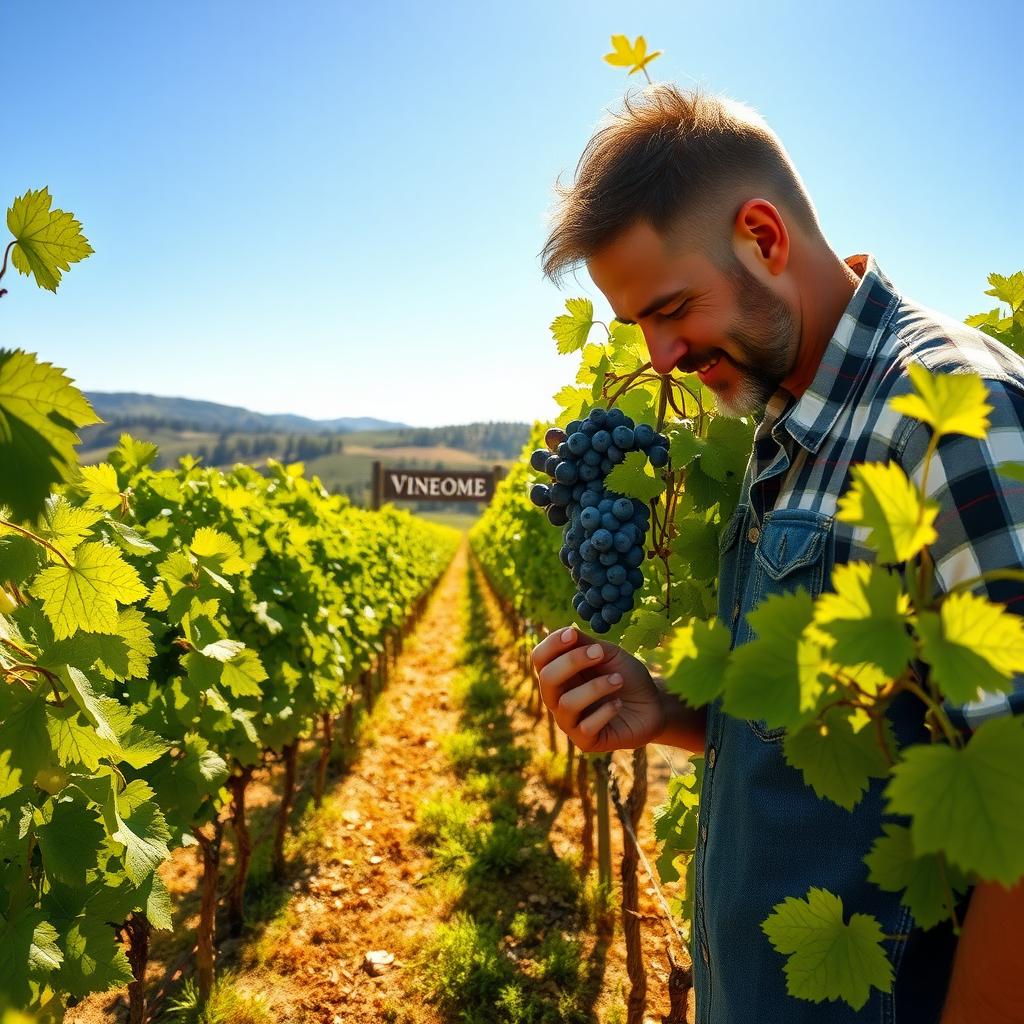
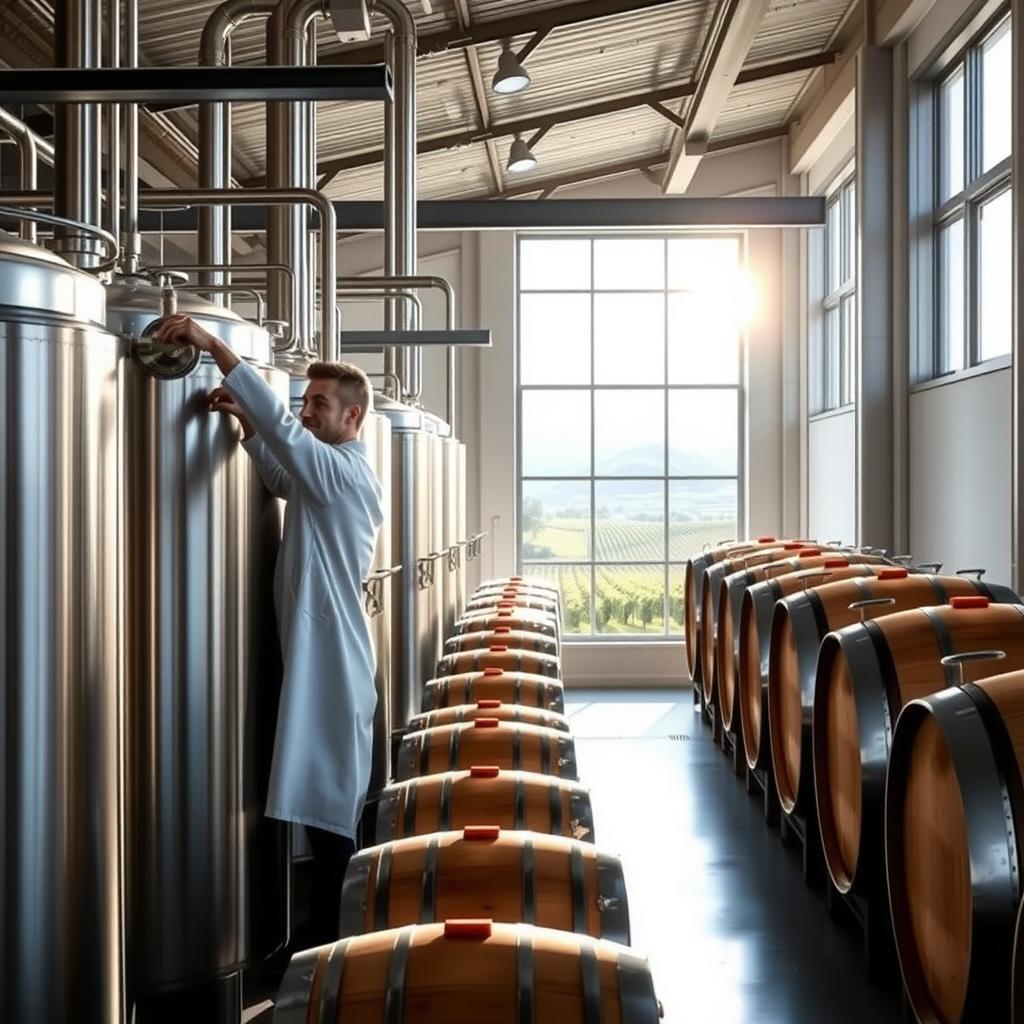
Fermentation can take days to weeks, depending on the wine. Red wines, for example, ferment with their skins to gain color and tannins, which add structure. White wines often skip this step for a lighter, crisper taste. Temperature control is key—too hot, and the yeast dies; too cold, and fermentation stalls. Winemakers monitor this closely, using tools like stainless steel tanks or oak barrels to influence flavor.
After fermentation, the wine is aged. Oak barrels can impart vanilla or spice notes, while stainless steel preserves freshness. Some wines, like those from Jackson Family Wines, are aged 'sur lees,' where the wine sits on dead yeast cells to develop creamy textures. I once tasted a Kendall-Jackson Chardonnay that had this rich, velvety feel—proof of how science shapes sensory delight.
The Rise of Small Wine Brands
While giants like Jackson Family Wines dominate, The Rise of Small Wine Brands is reshaping the industry. Small producers are carving out niches by focusing on quality, uniqueness, and sustainability. Unlike large brands, they often experiment with lesser-known grape varieties or organic farming, appealing to consumers who crave authenticity.
Small brands thrive by telling compelling stories. I visited a tiny winery in Oregon where the owner shared how they hand-pick grapes and use minimal intervention to let the terroir— the unique soil and climate—shine through. These brands leverage social media to connect directly with customers, building loyal followings. According to a 2024 study, small wineries now account for 20% of U.S. wine sales, a significant jump from a decade ago.
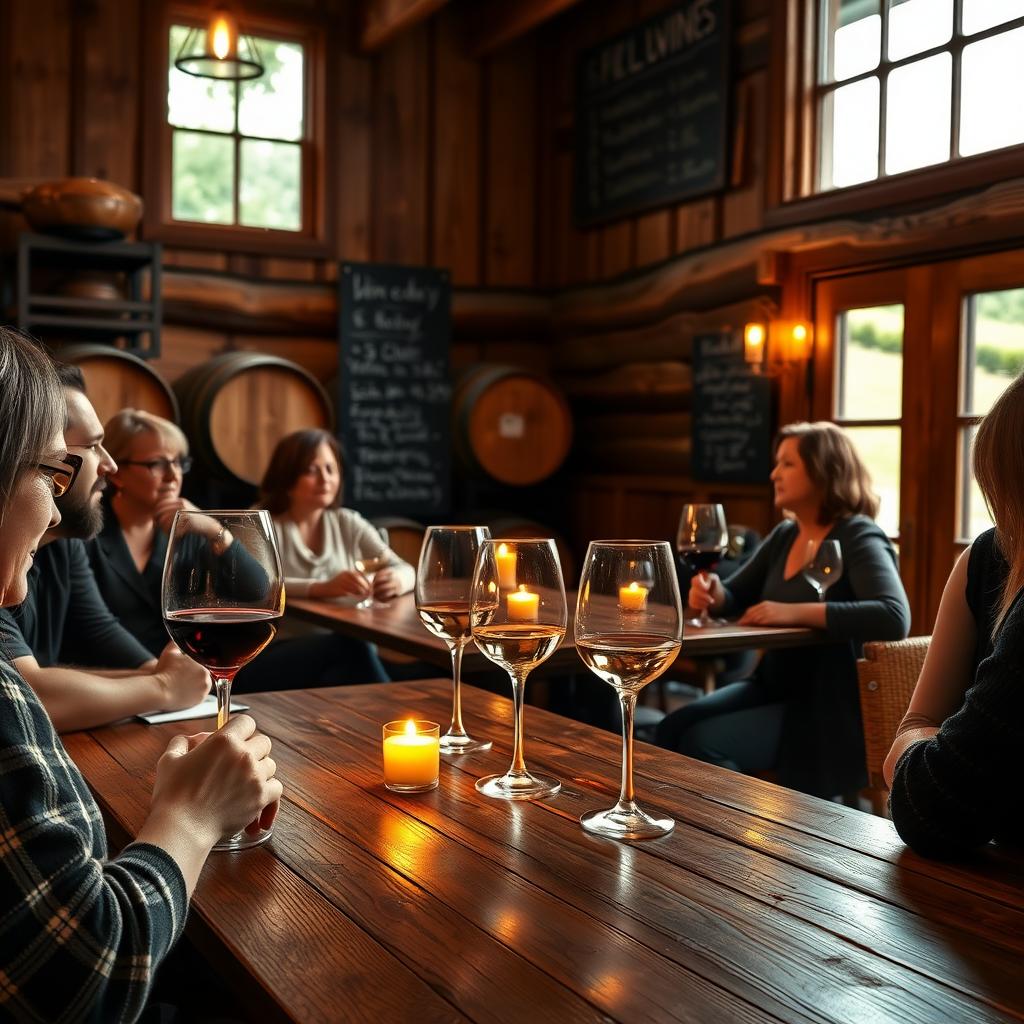
However, small brands face challenges. Limited budgets mean they can’t compete with the marketing muscle of big players. Yet, their agility allows them to adapt quickly, whether it’s adopting eco-friendly packaging or hosting virtual tastings. Exploring the Wine Business: Insights and Strategies shows that small wineries succeed by focusing on direct-to-consumer sales, like wine clubs, which boost revenue by 15-20% on average.
How Jackson Family Wines Became a Global Brand
How Jackson Family Wines became a global brand is a story of vision and strategy. Founded in 1982 by Jess Jackson, the company started with an 80-acre orchard in Northern California. Jess, a lawyer turned winemaker, believed great wines came from great vineyards. His Kendall-Jackson Vintner’s Reserve Chardonnay, launched in 1983, became America’s top-selling Chardonnay, a title it still holds.
Jackson Family Wines grew through smart acquisitions. By purchasing vineyards in California, Oregon, France, Italy, Australia, Chile, and South Africa, they built a portfolio of over 40 brands, including La Crema and Verité. Their focus on quality and sustainability set them apart. For example, their 'Rooted for Good' initiative, launched in 2021, aims to cut carbon emissions by 50% by 2030, saving $26 million through sustainable practices.
Their digital transformation is another key to success. Partnering with Deloitte Digital, Jackson Family Wines revamped their online presence, making it as immersive as a vineyard visit. Since relaunching the Kendall-Jackson website in 2024, they’ve seen an 87% surge in first-time orders and a 269% increase in engagement for some brands. This blend of tradition and innovation has made them a global leader.
Strategies for Success in the Wine Business
Exploring the Wine Business: Insights and Strategies reveals what drives success in this competitive industry. Here are key strategies for wineries of all sizes:
| Strategy | Description | Example |
|---|---|---|
| Sustainability | Adopt eco-friendly practices like regenerative farming to reduce environmental impact and appeal to conscious consumers. | Jackson Family Wines’ lightweight bottles cut emissions by 2-3%. |
| Digital Engagement | Use e-commerce and social media to connect with customers and drive sales. | Small brands host virtual tastings to build loyalty. |
| Storytelling | Share the winery’s unique history and values to create emotional connections. | Oregon’s Gran Moraine ties wines to music and culture. |
| Diversification | Expand into new markets or products, like sparkling wines or spirits. | Jackson Family Wines entered the English wine market in 2023. |
These strategies help wineries stand out in a crowded market, whether they’re small startups or global giants.
Blending Art and Science
Winemaking is a dance between science and art. The science ensures consistency—measuring sugar levels, controlling fermentation, and analyzing soil. But the art lies in the choices: which yeast to use, how long to age, or whether to blend varieties. I’ve seen winemakers taste a barrel sample and decide to tweak the blend, turning a good wine into a great one.
For small brands, this balance is their edge. They can take risks, like fermenting with wild yeast or aging in unique barrels. Larger brands like Jackson Family Wines use science to scale quality, ensuring every bottle of Kendall-Jackson delivers the same rich taste. Their success shows how data-driven decisions, like using satellite technology for irrigation, can enhance both quality and sustainability.
Looking Ahead
The wine industry is evolving. Small brands are gaining ground by embracing innovation and authenticity, while giants like Jackson Family Wines lead with scale and strategy. Whether it’s through sustainable practices or digital transformation, the science of winemaking continues to shape its future. Next time you sip a glass, think about the journey— from a sunlit vineyard to a carefully crafted bottle.