Building a Small Wine Collection: A Beginner's Guide to Selecting and Storing Wine
Overview: Starting Your Wine Collection Journey
Building a small wine collection is an exciting way to explore the world of wine, from discovering new flavors to sharing bottles with friends. Whether you’re drawn to the rich Chardonnays of Jackson Family Wines or curious about other wine brands, this guide will walk you through selecting quality wines and storing them properly at home. With a few practical steps, you can create a collection that’s both enjoyable and rewarding.
Why Build a Small Wine Collection?
Collecting wine isn’t just for experts or wealthy connoisseurs. A small, curated collection lets you have a variety of wines ready for any occasion—dinner parties, quiet evenings, or special celebrations. It’s also a chance to learn about different regions, grape varieties, and winemakers. For me, starting a collection was about discovery. I remember picking up my first bottle of Kendall-Jackson Vintner’s Reserve Chardonnay after a friend raved about its crisp apple and buttery notes. That single bottle sparked a passion for exploring wines that fit my taste and budget.
Choosing the Right Wines for Your Collection
When building a small wine collection, focus on variety and quality over quantity. Aim for 6-12 bottles to start, covering a range of styles—red, white, sparkling, and maybe a rosé. This gives you options for different meals and moods. For beginners, it’s smart to include well-known, reliable wine brands like Jackson Family Wines, which offer consistent quality across their portfolio, including Kendall-Jackson, La Crema, and Freemark Abbey.
Start with versatile wines that pair well with food. A Pinot Noir from La Crema, for example, complements everything from grilled salmon to roasted chicken. If you prefer whites, a Sauvignon Blanc from Jackson Family Wines offers bright citrus flavors that work with salads or seafood. Don’t feel pressured to buy expensive bottles—many great wines are under $30. The key is to choose wines you enjoy drinking now, plus a few that can age for special occasions.
To pick wines, consider your taste preferences. Do you like bold, fruity reds or crisp, refreshing whites? Visit local wine shops or attend tastings to sample different styles. I once attended a tasting at a small winery and discovered a Cabernet Sauvignon from Freemark Abbey that became a staple in my collection. Talking to knowledgeable staff at wine shops can also guide you to hidden gems.
Where to Buy Jackson Family Wines and Other Quality Brands
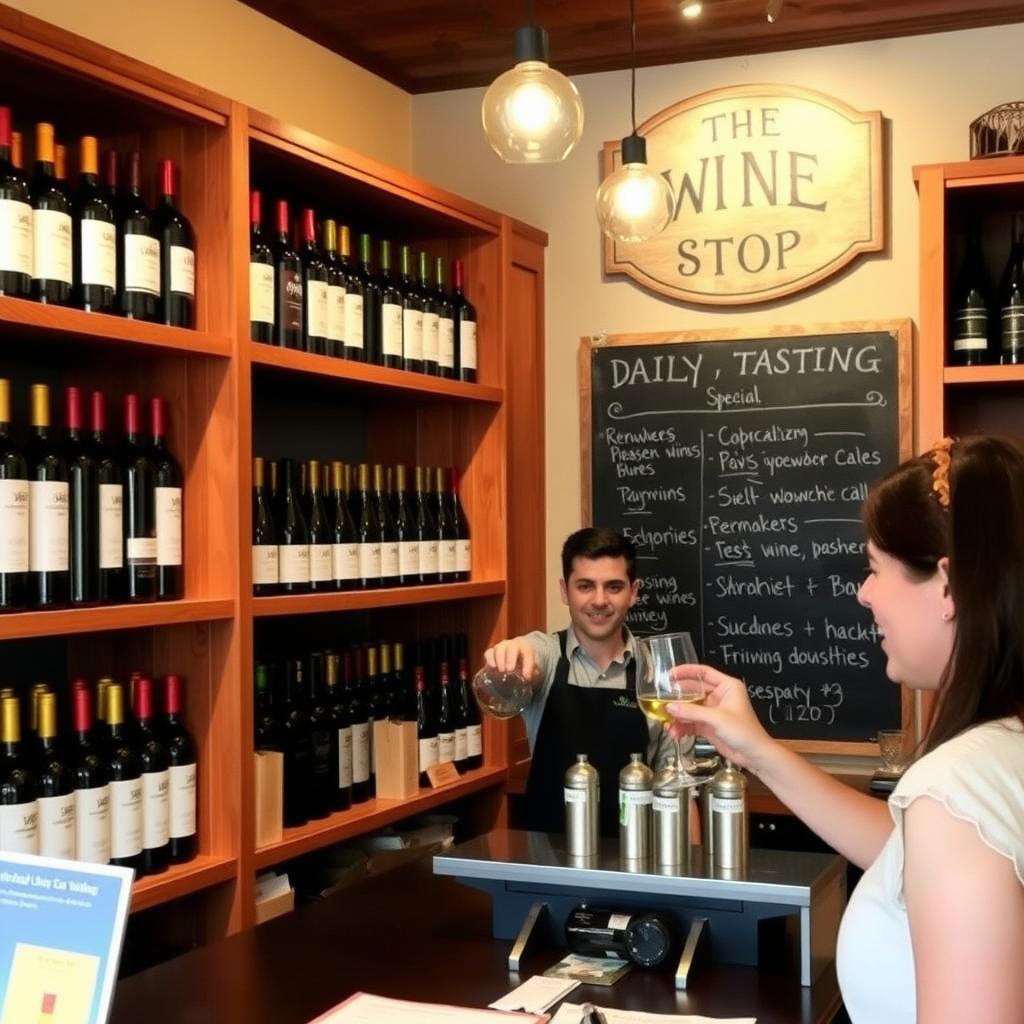
Finding the right place to purchase wines is crucial for building a small wine collection. Jackson Family Wines, known for their sustainable practices and diverse portfolio, are widely available. You can buy their wines directly from their official website, Jackson Family Wines, which offers detailed descriptions of their brands like Kendall-Jackson and La Crema. Their site also highlights new releases, such as the Vintner’s Reserve Brut Cuvée, perfect for celebratory moments.
Beyond their website, Jackson Family Wines are sold at major retailers like Total Wine & More, BevMo!, and even some grocery stores. For a more personalized experience, check local wine shops, which often carry smaller-production wines from their portfolio, like Verité or Stonestreet. Online platforms like Wine.com also stock Jackson Family Wines and offer convenient delivery options. If you’re unsure where to start, joining a wine club, such as Kendall-Jackson’s Club ’82, can provide curated selections and discounts.
When shopping, look for retailers with knowledgeable staff or detailed online reviews. I’ve found that asking questions at my local wine shop helps me discover wines that suit my palate. For instance, I once asked for a recommendation similar to Kendall-Jackson’s Chardonnay and ended up with a bottle of Cambria, another Jackson Family Wines brand, which was just as delightful.
Storing Wine at Home: Best Practices
Proper storage is essential to keep your wines fresh and flavorful. Storing wine at home doesn’t require a fancy cellar, but it does need attention to a few key factors: temperature, light, humidity, and position. According to UC Davis Viticulture and Enology, wine should be stored at a consistent temperature between 50-59°F (10-15°C) to prevent spoilage or premature aging.
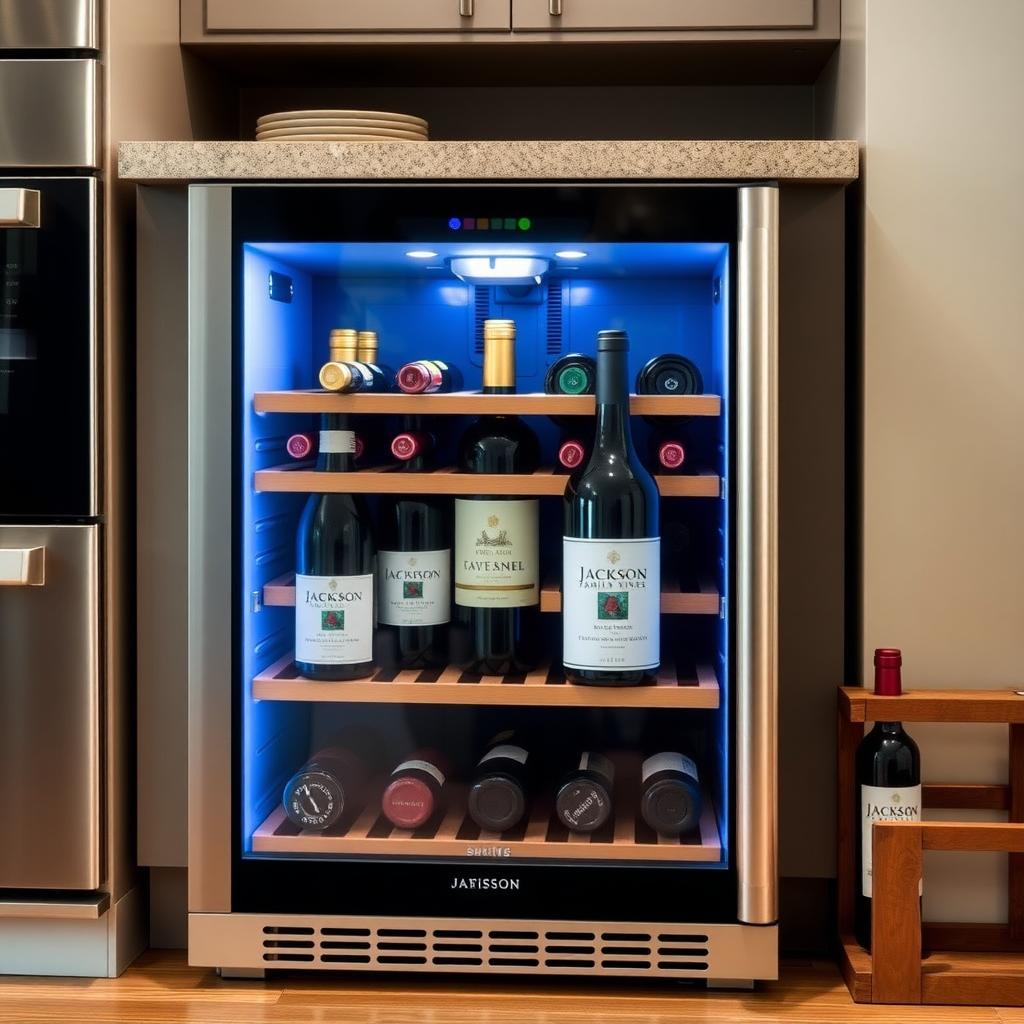
Temperature Control: Heat is wine’s biggest enemy. Avoid storing bottles in warm areas like near a stove or in direct sunlight. A cool, stable spot, like a basement or a closet away from heat sources, works well. If you’re serious about your collection, consider investing in a small wine fridge. I started with a 12-bottle wine cooler, which was a game-changer for keeping my wines at the right temperature.
Light and Humidity: Exposure to sunlight can degrade wine’s flavor. Store bottles in a dark place or use UV-protected wine fridges. Humidity is also important—aim for 50-70% to keep corks from drying out. If you live in a dry climate, a small humidifier can help.
Bottle Position: Store bottles horizontally to keep the cork moist and prevent air from seeping in. This is especially important for wines you plan to age, like a Cabernet Sauvignon from Jackson Family Wines’ Mt. Brave, which can develop complex flavors over time.
Organizing Your Collection
Keep your collection manageable by organizing it thoughtfully. Use a notebook or an app like Vivino to track what you own, including vintage, purchase date, and tasting notes. This helps you remember what you loved about a bottle and when to drink it. For example, most Jackson Family Wines Chardonnays are best enjoyed within 3-5 years, while their high-end reds, like Verité, can age for a decade or more.
Group wines by type or occasion. I keep everyday wines, like Kendall-Jackson’s Sauvignon Blanc, easily accessible for casual dinners, while special bottles, like a La Jota Cabernet, are saved for birthdays or holidays. Labeling shelves or using dividers in your wine fridge can make it easier to find the right bottle.
Tips for Growing Your Collection
As your collection grows, balance wines for immediate enjoyment with those for aging. Research which wines improve with time—Cabernet Sauvignon and Bordeaux blends often age well, while most whites and rosés are best drunk young. Check resources like Wine Spectator for vintage charts and aging potential.
Don’t be afraid to experiment. Try wines from different regions, like a Pinot Noir from Oregon’s WillaKenzie Estate, part of Jackson Family Wines’ portfolio. Joining a wine club or subscribing to a newsletter from a trusted winery can introduce you to new releases and limited-edition bottles.
Avoiding Common Mistakes
New collectors often make a few avoidable errors. Don’t buy wines just because they’re expensive—focus on what you enjoy. Also, avoid storing wine in the kitchen fridge for too long; the cold temperature can mute flavors. Finally, don’t let your collection sit untouched. Wine is meant to be enjoyed, so open a bottle and share it with friends.
Summary: Your Wine Collection Journey
Building a small wine collection is a rewarding way to explore flavors, learn about winemaking, and elevate everyday moments. By choosing quality wines from trusted brands like Jackson Family Wines, purchasing from reliable sources, and following best practices for storing wine at home, you can create a collection that’s both practical and personal. Start small, experiment with different styles, and most importantly, enjoy the process of discovery.