Jackson Family Wines Leads the Charge on Climate Action
A Bold Step Toward a Sustainable Future
In 2021, Wine Spectator: Jackson Family Pushes for Greater Action on Climate Change - www.winespectator.com highlighted a game-changing initiative by Jackson Family Wines, one of the largest wine producers in the United States. Their Rooted for Good: Roadmap to 2030 plan sets a high bar for environmental and social responsibility in the wine industry. With a goal to become climate positive by 2050, this family-owned company is not just making wine—it’s reshaping how the industry tackles climate change. As a wine enthusiast who’s followed their journey, I’m inspired by their commitment to lead by example and encourage others to follow suit.
Why Sustainability Matters in Winemaking
Climate change is no small threat to the wine industry. Rising temperatures, unpredictable weather, and severe droughts are already impacting vineyards worldwide. According to a study by the University of California, Davis, changing climates could reduce suitable wine-growing regions by up to 50% by 2050. For a company like Jackson Family Wines, which operates 40 high-end wineries across California, Oregon, France, Italy, Australia, Chile, and South Africa, the stakes are high. Their response? A proactive, science-based approach to sustainability that’s as bold as their wines.

The Rooted for Good Initiative
The Rooted for Good plan, launched in 2021, is a 10-year blueprint to address climate change head-on. Unlike many corporate sustainability promises, Jackson Family Wines avoids relying on carbon offsets. Instead, they’re focusing on direct action. Their goals include:
- Cutting carbon emissions in half by 2030: This applies to direct emissions from their properties, energy use, and supply chain activities like packaging and transportation.
- Becoming climate positive by 2050: They aim to sequester more carbon than they emit, a rare and ambitious target.
- Transitioning to regenerative farming: By 2030, all estate vineyards will adopt regenerative practices to improve soil health and biodiversity.
- Conserving water: They’ve already saved 28 million gallons of water annually through innovative techniques like rainwater capture and recycling.
What stands out is their transparency. Julien Gervreau, Vice President of Sustainability, emphasizes sharing both successes and failures to inspire the industry. As someone who values honesty in business, I find this openness refreshing—it’s not just about looking good but about driving real change.
How Jackson Family Wines Champions Sustainability
How Jackson Family Wines Champions Sustainability is not just a catchy phrase—it’s a reality backed by decades of effort. Since the 2000s, they’ve pursued sustainability certifications for their vineyards and wineries, making them pioneers in the field. A Forbes article reported that these efforts have saved them over $26 million, proving sustainability can be profitable. Their strategies include:
| Initiative | Impact |
|---|---|
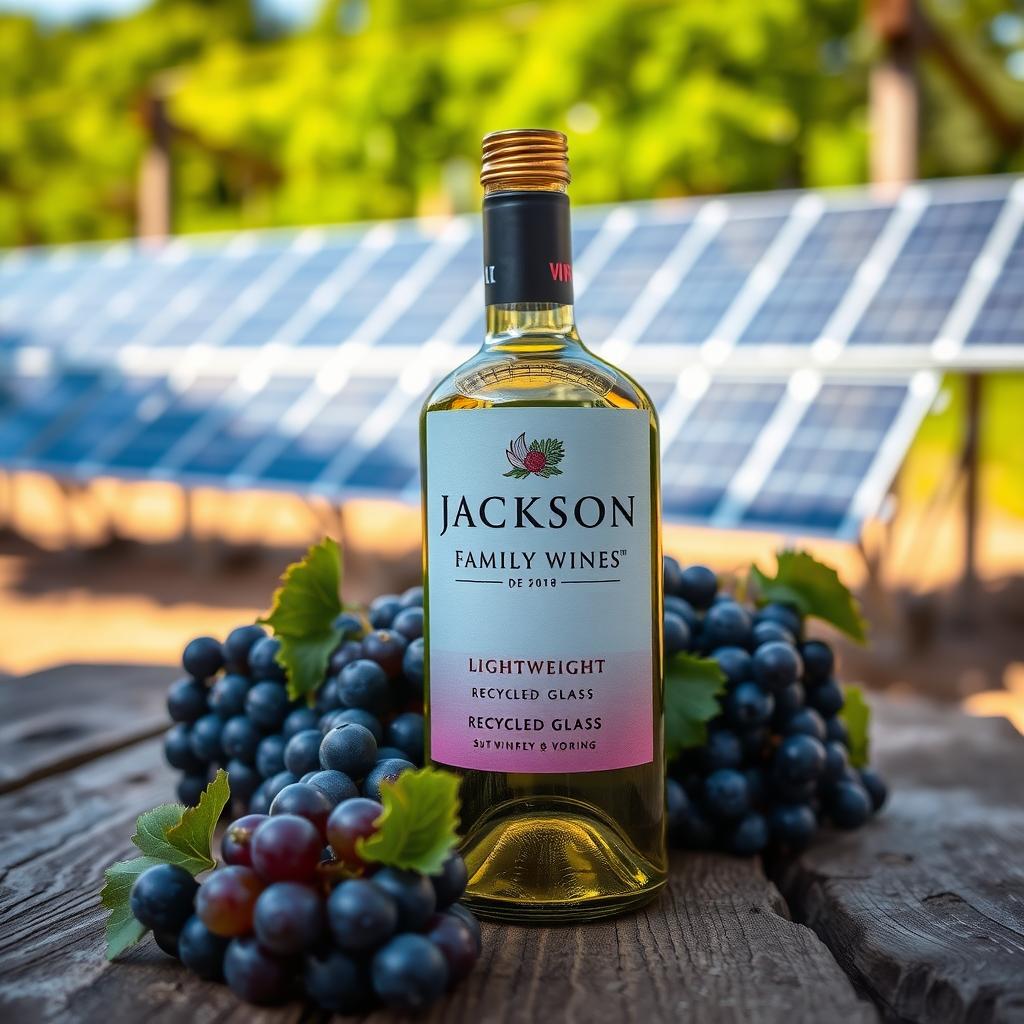
| Solar Energy | Over 23,000 solar panels power 30% of winemaking operations, making them the largest on-site solar energy generator in the U.S. wine industry. |
| Lightweight Bottles | Using bottles with over 50% recycled glass and reducing bottle weight cuts transportation emissions. |
| Regenerative Farming | Practices like no-till farming and cover crops improve soil health and sequester carbon. |
| Water Management | Programs like Water Wise have saved 28 million gallons of water annually. |
These efforts don’t just reduce their environmental footprint—they enhance the quality of their wines. Healthier soils lead to better grapes, which is why their commitment to sustainability resonates with wine lovers like me.
Leading the Industry Through Collaboration
Jackson Family Wines isn’t going it alone. In 2019, they co-founded the International Wineries for Climate Action (IWCA) with Spain’s Familia Torres. This coalition of wineries, now including 10 members from six countries, works to decarbonize the industry using science-based practices. They’ve also joined the United Nations’ Race to Zero campaign, aligning with global efforts to achieve net-zero emissions by 2050. Their virtual seminars, part of Rooted for Good, bring together scientists, suppliers, and winemakers to discuss carbon reduction, water management, and regenerative agriculture. As a consumer, I appreciate how they’re sharing knowledge to lift the entire industry, not just their own brand.
Best Wines from Jackson Family Wines
Sustainability isn’t just about the environment—it’s about crafting exceptional wines. The best wines from Jackson Family Wines reflect their commitment to quality and place. Here are a few standouts:
- Kendall-Jackson Vintner’s Reserve Chardonnay: Sourced from cool-climate vineyards in Monterey, Santa Barbara, Mendocino, and Sonoma, this crisp, medium-bodied wine bursts with tropical flavors like pineapple and mango, with a toasty oak finish. It’s a crowd-pleaser for seafood or white meat pairings.
- Freemark Abbey Napa Valley Cabernet Sauvignon: This rich, savory red from sustainably certified Napa vineyards offers bold flavors of blackberry and spice, perfect for beef or venison.
- La Crema Sonoma Coast Pinot Noir: Known for its bright cherry and earthy notes, this wine comes from sustainably farmed vineyards and pairs beautifully with salmon or roasted vegetables.
These wines showcase how Jackson Family Wines blends environmental stewardship with artistry, creating bottles that tell a story of care for both the land and the palate.

A Personal Perspective on Their Impact
As someone who enjoys a glass of wine with dinner, I’ve always been drawn to brands that align with my values. Jackson Family Wines’ dedication to sustainability makes me feel good about choosing their bottles. Their use of regenerative farming, like grazing sheep to control weeds, reminds me of traditional practices that respect the land. Knowing that their efforts also save millions in operational costs shows that doing good can also be smart business. It’s inspiring to see a company of their size—producing over 6 million cases annually—take such bold steps. Their work with IWCA and partnerships with organizations like the USDA’s Soil Inventory Project to fund climate-smart agriculture prove they’re serious about systemic change.
Challenges and Opportunities Ahead
The road to climate positivity isn’t easy. Climate change brings unpredictable challenges, from early harvests to water scarcity. Yet, Jackson Family Wines sees these as opportunities. For example, they’re exploring new regions like the UK for sparkling wine production, where warming climates now allow for high-quality grape growing. Their focus on innovation—whether it’s UV tank sanitization or zero-emission vehicles—sets a model for others. As Katie Jackson, Senior Vice President of Corporate Social Responsibility, puts it, “We’re proud of our progress, but we know there’s still a lot of work to do.” That humility, paired with ambition, is what makes their approach so compelling.
Summary
Jackson Family Wines is redefining what it means to be a leader in the wine industry. Through their Rooted for Good initiative, they’re tackling climate change with concrete goals: halving emissions by 2030, achieving climate positivity by 2050, and transitioning to regenerative farming. Their efforts, highlighted in Wine Spectator: Jackson Family Pushes for Greater Action on Climate Change - www.winespectator.com, show that sustainability and quality can go hand in hand. From their solar-powered wineries to their standout wines like Kendall-Jackson Chardonnay, they’re proving that caring for the planet can produce exceptional results. As they continue to inspire other wine brands, their legacy is one of action, transparency, and hope for a greener future.