How Terroir Shapes Your Favorite Wines: Insights from Beringer
A World in Every Sip
Wine is more than a drink—it’s a story of the land, the weather, and the hands that craft it. How Terroir Shapes Your Favorite Wines is a journey into the heart of what makes each bottle unique. From the soil beneath the vines to the climate that nurtures them, terroir is the invisible force behind every glass. In this article, we’ll dive into the magic of terroir, share personal insights from A Day at Beringer: Vineyard Tour Insights, and offer practical advice on How to Choose the Right Wine for Your Palate: Tips from Beringer. Whether you’re new to wine or a seasoned enthusiast, you’ll find something to savor.
What Is Terroir, and Why Does It Matter?
Terroir is a French term that captures the essence of a wine’s origin. It’s the combination of soil, climate, topography, and human touch that gives wine its distinct personality. Think of it as the wine’s DNA. A Cabernet Sauvignon from Napa Valley tastes different from one grown in Bordeaux because of terroir. The rocky soils of one region might add a mineral edge, while the sunny hills of another bring out ripe fruit flavors.
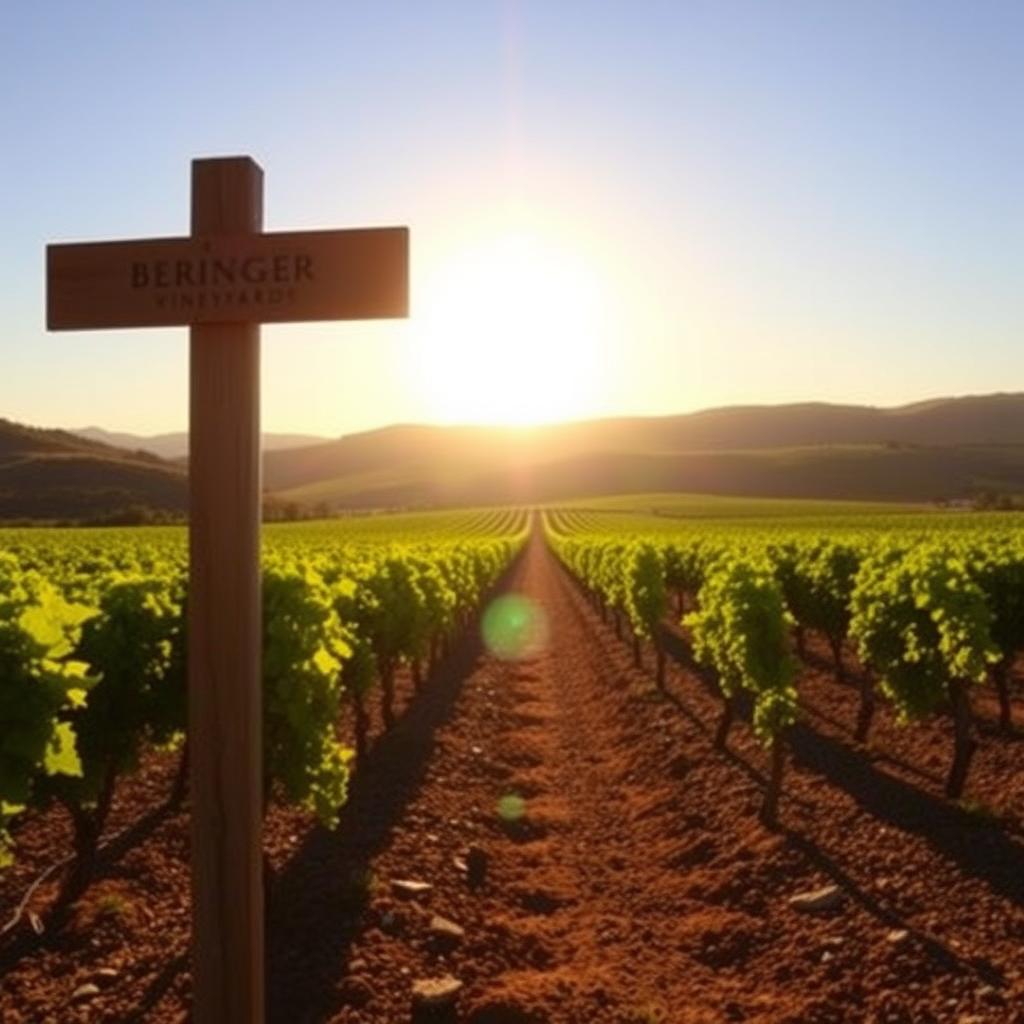
During a recent visit to Beringer Vineyards in Napa Valley, I saw terroir in action. The guide explained how their vineyards, spread across diverse microclimates, produce wines with unique profiles. Some vines grow in volcanic soil, lending bold, structured flavors, while others thrive in cooler, shaded areas, creating softer, fruitier notes.
A Day at Beringer: Vineyard Tour Insights
Walking through Beringer’s historic vineyards felt like stepping into a living museum. Founded in 1876, Beringer is one of Napa Valley’s oldest wineries, and their tours offer a front-row seat to terroir at work. A Day at Beringer: Vineyard Tour Insights revealed how every choice—from grape variety to harvest timing—is shaped by the land.
Our guide pointed out how the Howell Mountain vineyard, with its high elevation and volcanic soil, produces intense, tannic Cabernet Sauvignons. Meanwhile, the St. Helena plots, with their loamy soils and warmer climate, yield softer, more approachable Chardonnays. Tasting the wines side by side, I could taste the difference: the Cabernet was bold and earthy, while the Chardonnay was creamy with hints of apple and vanilla.
Beringer’s winemakers also shared how they adapt to the land. They use sustainable practices, like cover crops to enrich the soil, and carefully monitor weather patterns to decide when to pick grapes. This hands-on approach ensures the terroir shines through in every bottle.
How Terroir Influences Flavor
Terroir isn’t just about the land—it’s about how the land interacts with the grapevines. Here’s a quick breakdown of its key elements:
| Element | Impact on Wine |
|---|---|
| Soil | Clay soils create fuller-bodied wines; sandy soils produce lighter, aromatic ones. |
| Climate | Cool climates enhance acidity and crispness; warm climates boost sweetness and fruitiness. |
| Topography | Sloped vineyards get more sunlight, intensifying flavors; flat lands may retain more water, affecting grape concentration. |
| Human Touch | Winemaking techniques, like oak aging or fermentation styles, amplify or balance terroir’s effects. |
For example, Beringer’s Knights Valley Sauvignon Blanc owes its bright, citrusy notes to the region’s cooler climate and gravelly soils. Compare that to a Sauvignon Blanc from a warmer region, which might taste riper and less acidic. Understanding these differences helps you appreciate why no two wines are exactly alike.
How to Choose the Right Wine for Your Palate: Tips from Beringer
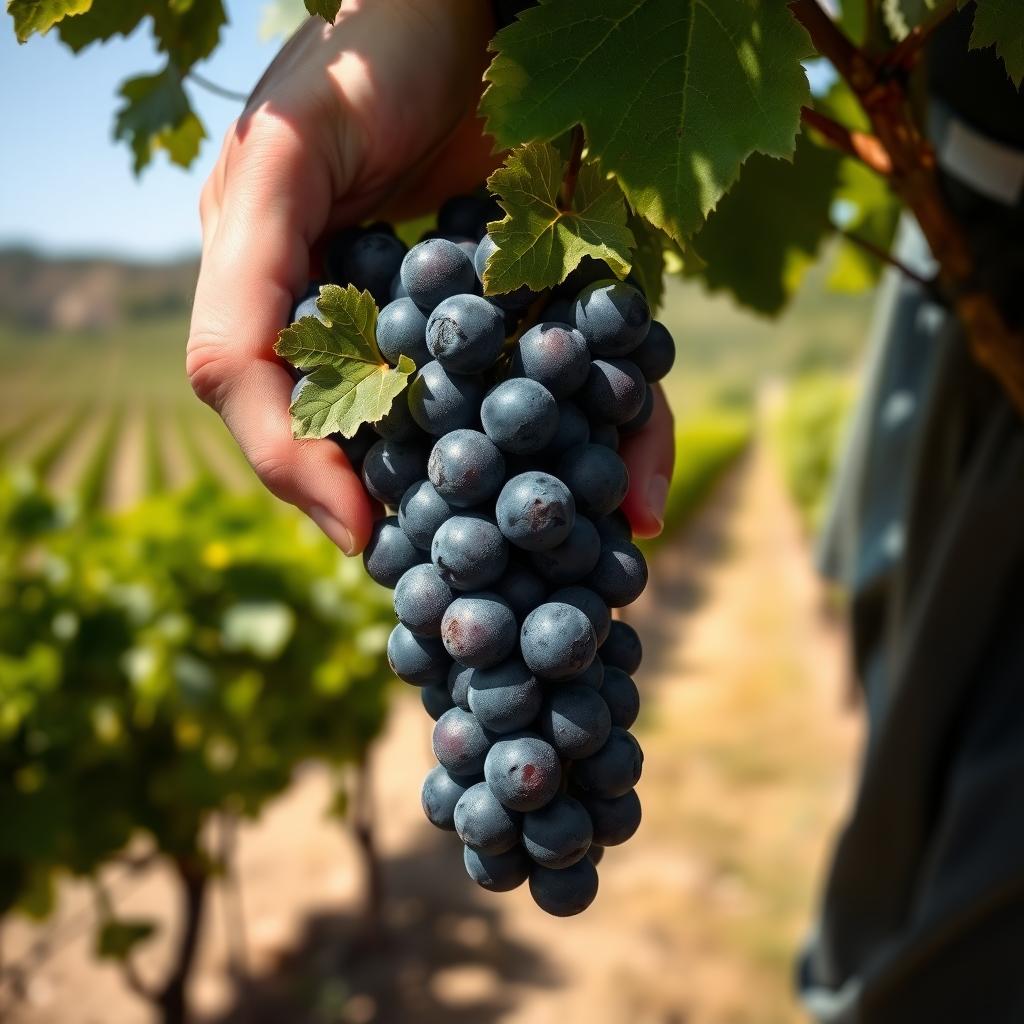
Choosing a wine can feel overwhelming, but Beringer’s experts shared some practical tips to match wines to your taste. How to Choose the Right Wine for Your Palate: Tips from Beringer starts with understanding your preferences and letting terroir guide you.
- Know Your Taste: Do you like bold, fruity wines or crisp, light ones? If you enjoy rich flavors, try a Cabernet from Beringer’s Howell Mountain. Prefer something refreshing? Their Sauvignon Blanc from Knights Valley is a great pick.
- Consider the Occasion: Pairing wine with food or mood matters. A Beringer Chardonnay pairs beautifully with creamy pasta, while their Pinot Noir complements a cozy evening.
- Experiment with Terroir: Try wines from different regions to see how terroir changes the flavor. Beringer’s tasting events are perfect for this.
- Ask for Help: At Beringer’s tasting rooms, staff are eager to guide you. Share what you like, and they’ll suggest wines that match your palate.
I tried this approach at a Beringer wine tasting event and discovered a Merlot I’d never have picked on my own. Its smooth, plummy flavor, shaped by the warm St. Helena terroir, was a perfect match for my taste.
Beringer Wine Tasting Events: A Terroir Adventure
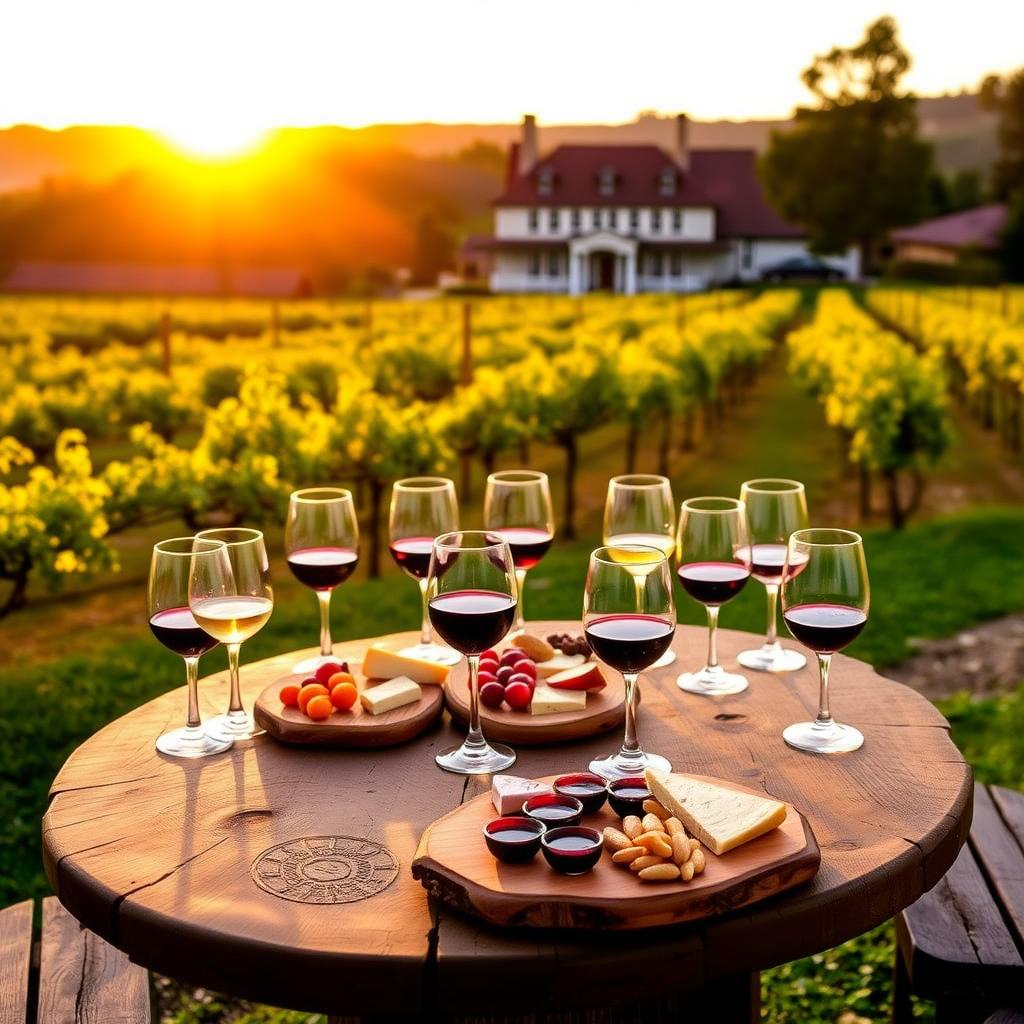
Beringer wine tasting events are a fantastic way to explore terroir firsthand. Held at their stunning Napa Valley estate, these events range from casual tastings to in-depth vineyard tours. I joined a guided tasting that paired wines with small bites, highlighting how terroir influences food pairings. The star was a Reserve Cabernet Sauvignon, its deep berry and spice notes enhanced by the volcanic soils of Howell Mountain.
Beringer also hosts seasonal events, like harvest festivals, where you can see the winemaking process up close. These experiences make terroir tangible—you’re not just tasting wine; you’re tasting the land. Check Beringer’s website for upcoming events and book early, as they fill up fast.
Bringing Terroir Home
You don’t need to visit a vineyard to appreciate terroir. Next time you’re shopping for wine, check the label for the region and grape variety. Compare a Napa Valley Cabernet with one from Tuscany, and you’ll taste the difference. Hosting your own tasting party is another fun way to explore. Pick a few wines from different regions, note their flavors, and guess how the terroir shaped them.
Beringer’s website offers a wealth of resources, from tasting notes to virtual tours, to deepen your understanding. You can also join their wine club for exclusive bottles that showcase Napa’s diverse terroirs. It’s like bringing a piece of the vineyard home.
Wrapping Up the Terroir Journey
Terroir is the soul of wine, blending nature and craftsmanship into every glass. From the volcanic soils of Howell Mountain to the sunny slopes of St. Helena, How Terroir Shapes Your Favorite Wines is a story of place and passion. Beringer’s vineyards and tasting events offer a window into this world, while their practical tips help you find wines you’ll love. Next time you sip a glass, think about the land it came from—it makes every sip a little more special.